












MAS launches flagship platform for food-grade PET recycling

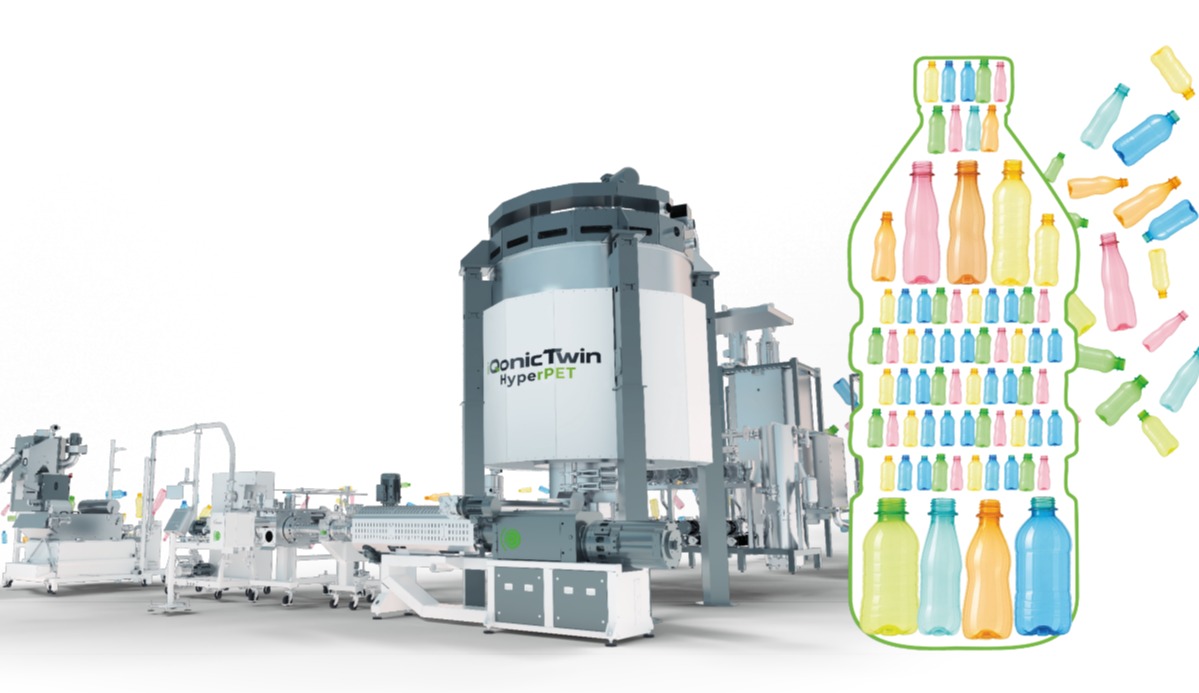
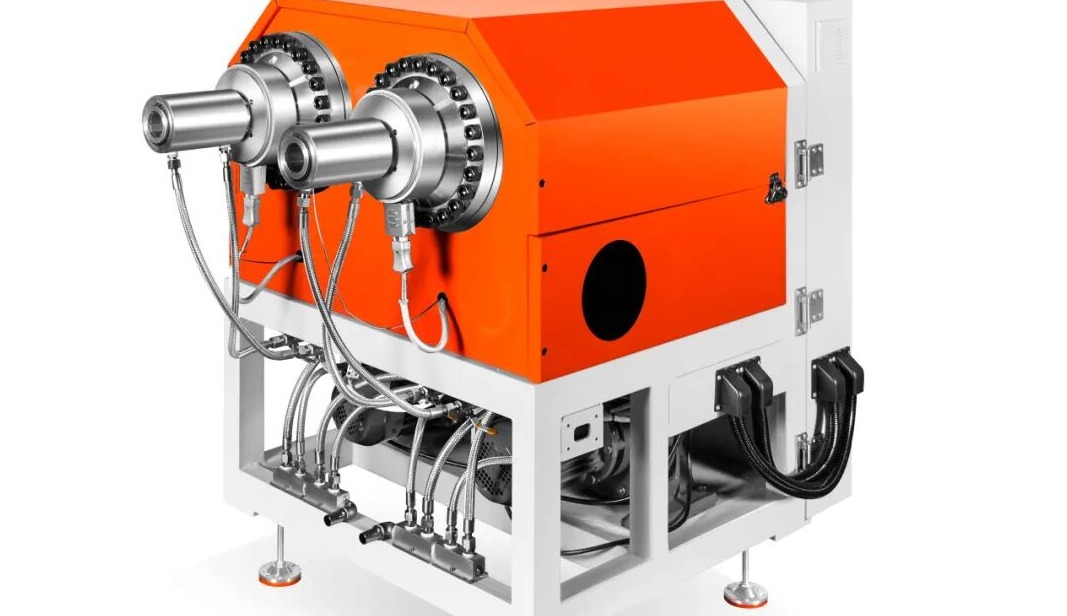
MAS has introduced the iQonicTwin HyperPET platform for PET recycling designed to meet the highest standards for food-contact applications.
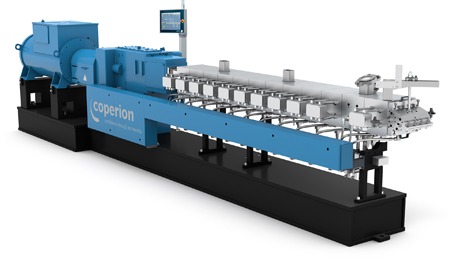
The flagship HyperPET solution integrates the Austrian company’ proven co-rotating conical twin-screw extruder with a Solid-State Polycondensation (SSP) process based on infrared radiation and vacuum, eliminating the need for nitrogen, to deliver exceptional intrinsic viscosity (IV), color stability, and minimal acetaldehyde (AA) formation at reduced energy consumption.
MAS is partnering with PET recycling specialist Christian Schiavolin to integrate his proven solution into the innovative MAS iQ Series. Through the iQonicTwin HyperPET solution, MAS is working closely with him to solidify further its position as a leading provider of comprehensive plastics recycling and upcycling services.
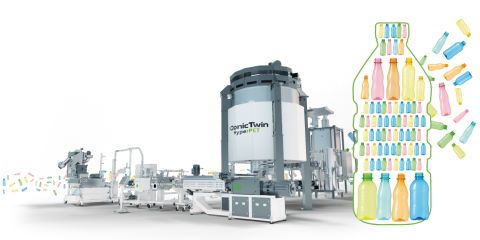
The iQonicTwin HyperPET platform is designed to meet the highest standards for food-contact applications.
Pre-extrusion SSP
In the HyperPET configuration, polycondensation occurs upstream of extrusion:
1. rPET flakes are pre-heated and dried in a crystallizer.
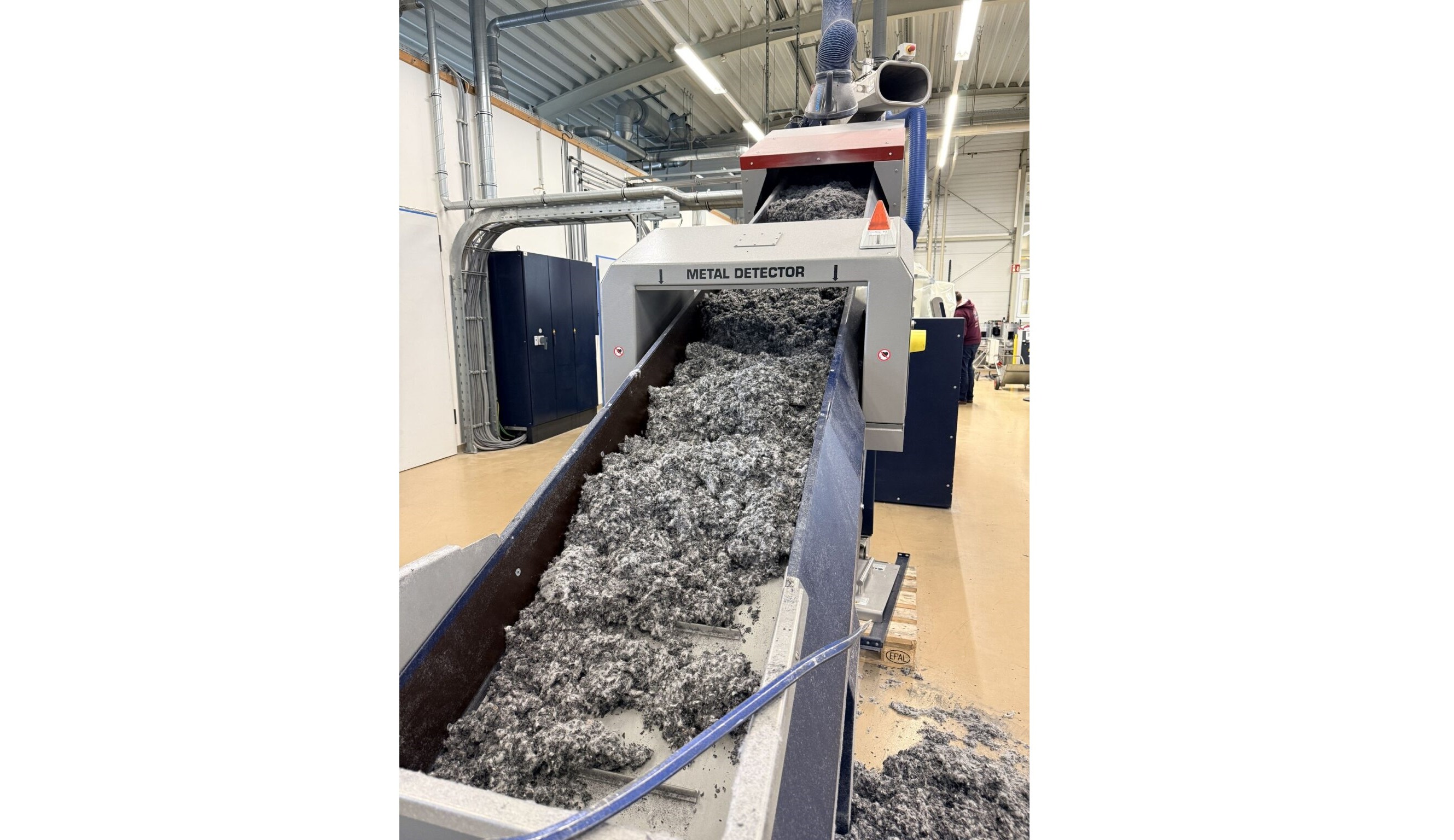
2. The MOBY reactor applies infrared radiation under vacuum, reducing moisture and adjusting IV to the target level for bottle-grade applications.
3. Stored heat reduces extrusion energy needs and increases throughput.
Key Advantages are:
Extremely short dwell time in the SSP
IV stabilization of the rPET flakes
Nitrogen-free, no additional operating resources except electricity are required
Simplified operation and compact footprint
Energy-efficient process
Breaking the bottle-to-bottle limitations
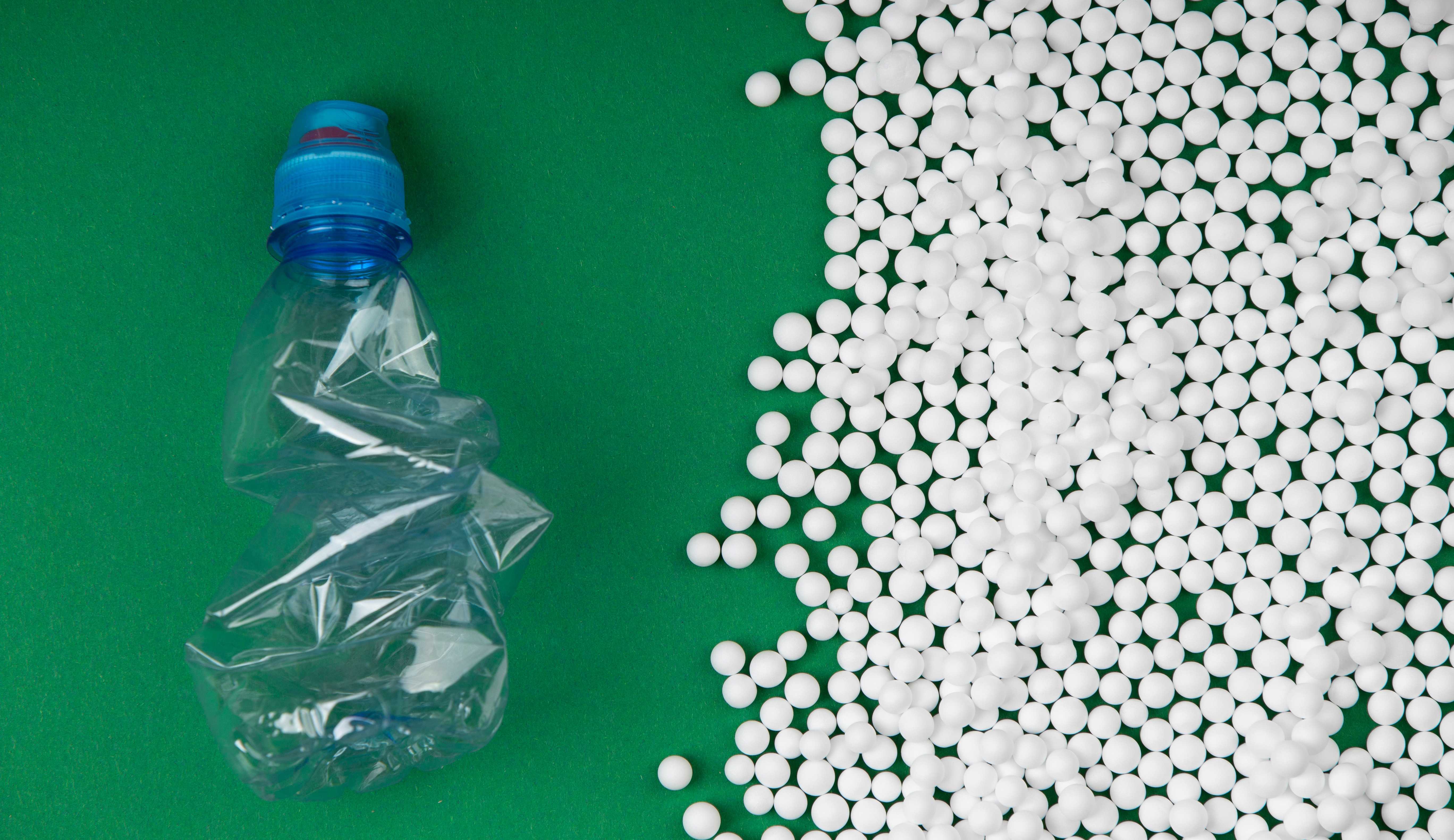
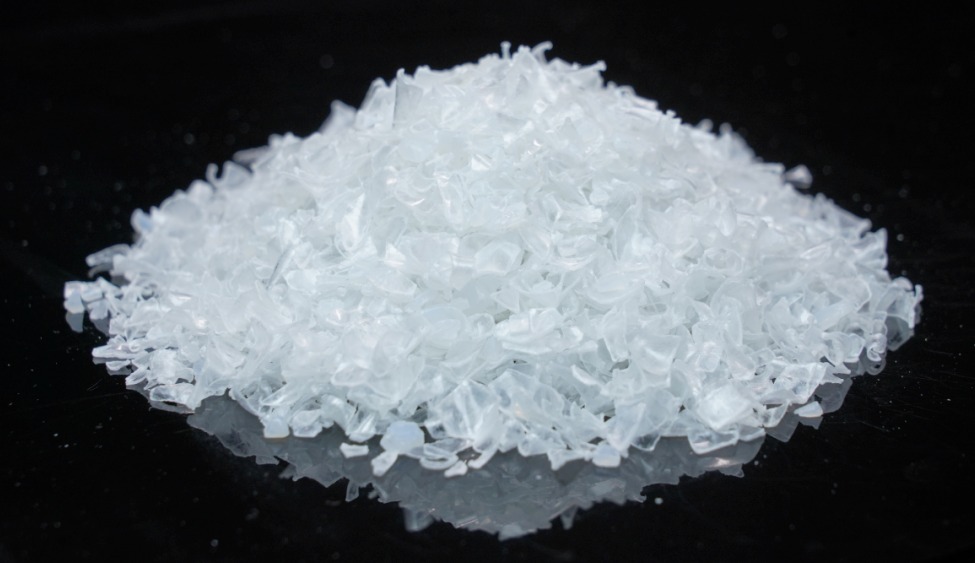
While traditional food-grade PET recycling relies on “bottle-to-bottle” processes, the HyperPET extends capabilities to future “tray-to-bottle” recycling. This allows for the processing of both bottle and PET tray regrind, either alone or blended, thereby expanding the feedstock pool and reducing reliance on post-consumer bottles.
Operational and economic benefits
The MAS iQ HyperPET solution offers:
Stable, high-quality pellets with consistent IV, color, and low AA
Compliance with the strictest food-contact regulations
Reduced OPEX thanks to energy savings and operational simplification
Greater sourcing flexibility, improving ROI
The iQonicTwin HyperPET is available in three capacities, making it suitable for both pilot lines and industrial-scale applications.
MAS also now offers a rPET SSP solution and a rPET Regran solution, which are part of the new innovative MAS portfolio.