









(Interview) Behind 1 billion tubes: Rego Packaging on what flexible manufacturing really takes

Over the past two decades, laminated (composite) tubes have driven a significant technology shift across China’s packaging industry and have become part of everyday life. From toothpaste and home and personal care to medical and healthcare and pet care, this familiar format is steadily displacing traditional all-aluminum tubes and has become a leading solution within the broader move toward flexible packaging.
In this wave of change, Guangzhou Rego Packaging Industrial Co., Ltd. has emerged as a standout. Founded in 2004, Rego now operates at an annual capacity of more than 1.0 billion tubes. With a new plant scheduled to begin operations in 2026, capacity is expected to exceed 1.5 billion tubes per year, further cementing the company’s position among the sector’s leading players. Rego’s tubes are widely used by both well-established brands and fast-growing newcomers.
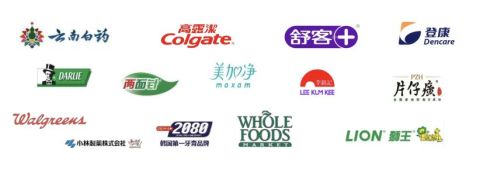
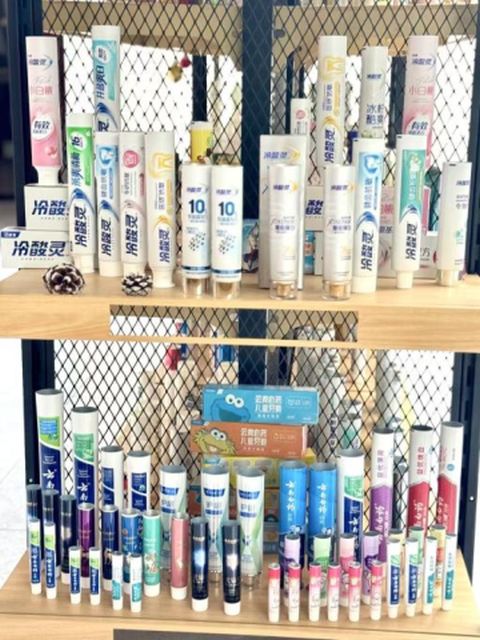
Customer brands of Rego. (Source: Rego)
Recently, Adsale Plastics Network (APN) visited Rego’s headquarters for an exclusive interview with Mingsheng Wang, General Manager, and Zibo Xu, General Manager Assistant. Wang is a long-time industry veteran with more than two decades of experience, while Xu represents a younger generation of leadership. Together, they shared the story behind Rego’s growth, with a focus on how the company uses flexible manufacturing to meet fast-changing market demand and how they see the industry evolving.
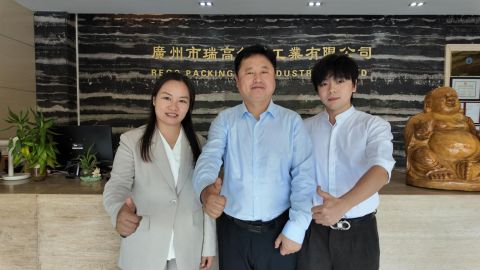
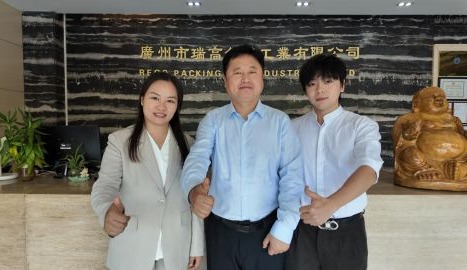
Adsale Plastics Network interviewed Rego Packaging. (From left) Tiffany Zhu, Executive Editor of Adsale Plastics Network, Mingsheng Wang, General Manager of Rego Packaging, and Zibo Xu, General Manager Assistant of Rego Packaging.
Rego’s Growth Trajectory
APN: What have been the key stages in Rego’s development?
Wang: We started out as a small workshop, then moved into a standard industrial park. The real growth phase began in 2012, when we relocated into our own dedicated facility. Working with major domestic brands helped us build our position in the industry. Today, we operate three manufacturing sites in Guangzhou, Nantong, and Kunming. In Guangzhou, we plan to commission a new plant next year, with the goal of creating a global benchmark smart factory for laminated tube production.
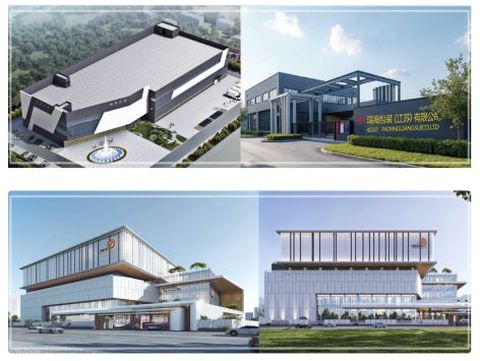
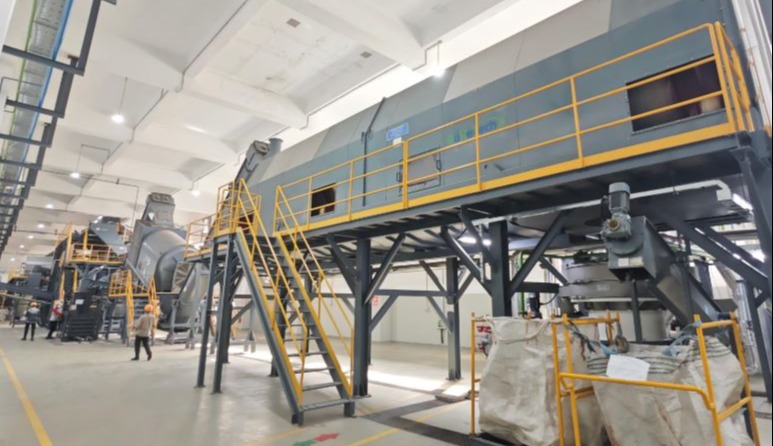
Rego’s production facility. (Source: Rego)
APN: What is Rego’s manufacturing set-up? Is it a major investment?
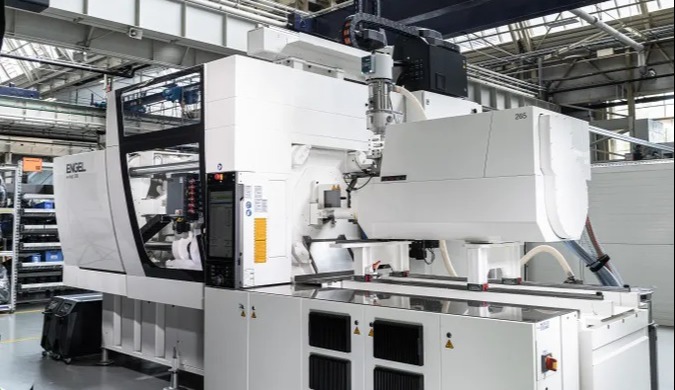
Wang: China is already highly competitive in laminated tube manufacturing on a global scale. However, some high-end equipment still needs to be imported, especially fully automated, high-speed laminated tube production lines. A single imported line typically costs more than US$2 million, and we have brought in more than a dozen. On the materials side, we source most of our raw materials from international suppliers such as Dow, DuPont, and ExxonMobil. Overall, this is a capital-intensive business, and it takes a long-term perspective to build sustainably.
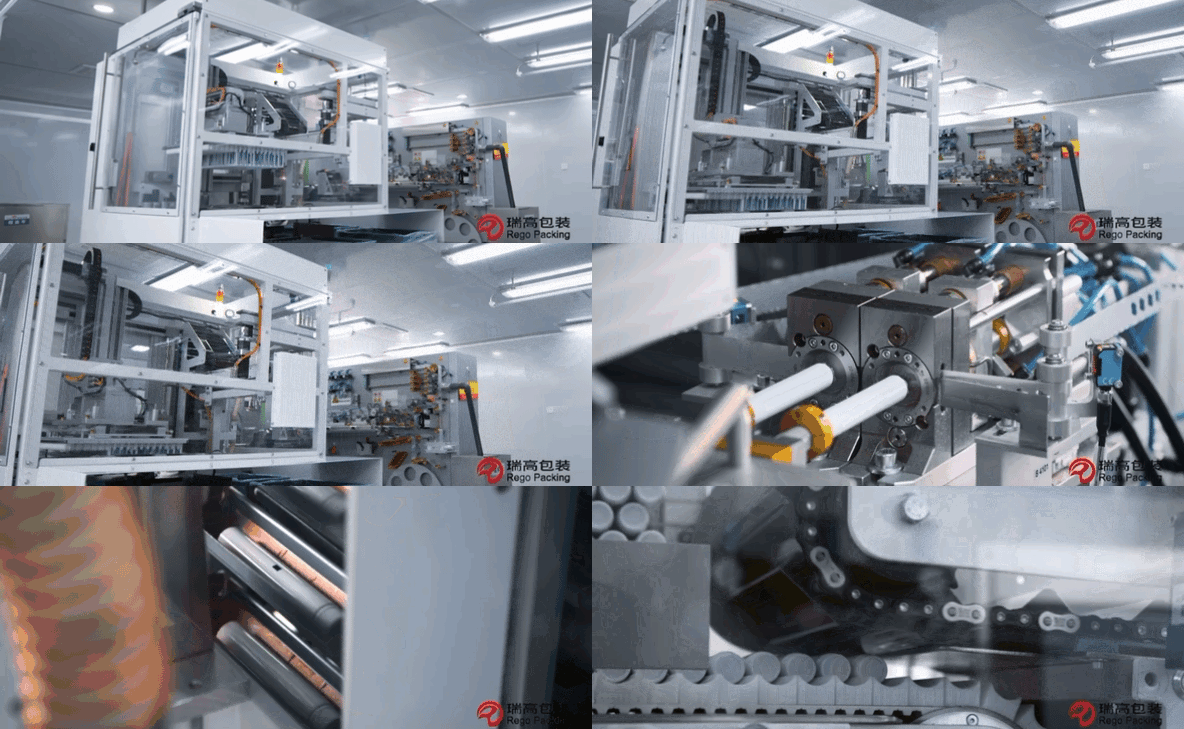
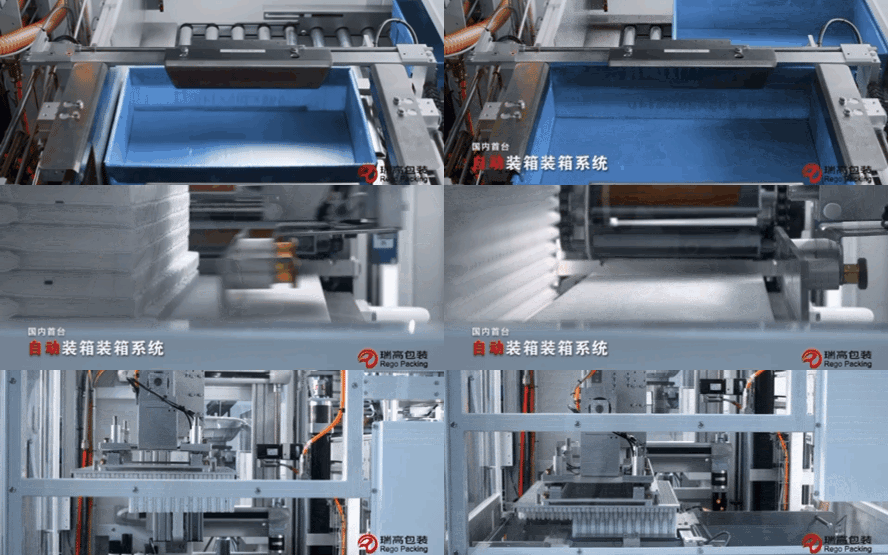
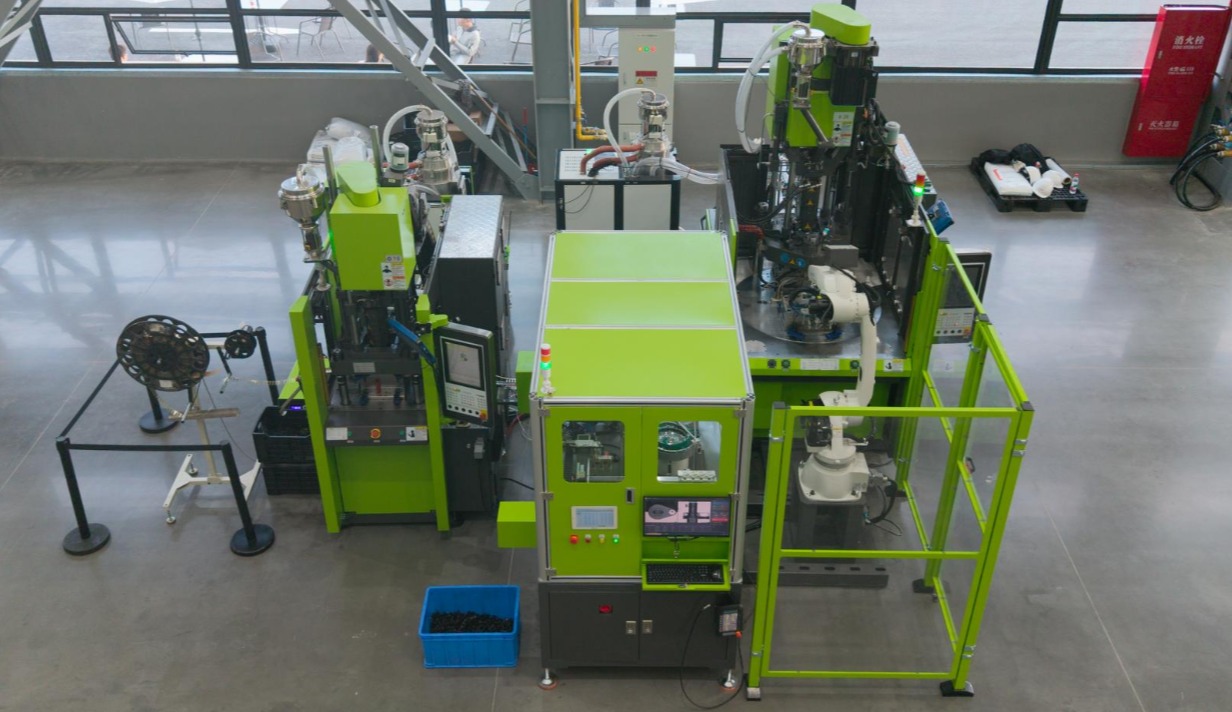
Machine operation inside Rego’s facility. (Source: Rego)
Flexible production in changing market
APN: What is the biggest change you have seen in the industry in recent years?
Wang: The FMCG sector has changed significantly over the past five years. With the growth of e-commerce and emerging sales channels, packaging demand has become much more fragmented and less predictable. Traditional brands typically place orders based on planning and forecasts. Many newer brands do not follow a consistent pattern. Orders can surge overnight or drop off just as quickly, and purchasing behavior has fundamentally shifted. Take sample development as example, traditional customers usually allow three weeks to one month while e-commerce customers often expect samples within one week and want volume production to start within one month
APN: How does Rego respond to this?
Wang: We need to take full advantage of the agility that comes with being a privately owned company and make “flexible thinking” part of how everyone works. To support both high-volume orders and smaller runs, we keep optimizing our manufacturing set-up, including capacity planning, mold and tooling allocation, and workforce scheduling. We also add smaller, precision equipment so we can respond more effectively to small-batch, short-lead-time orders.
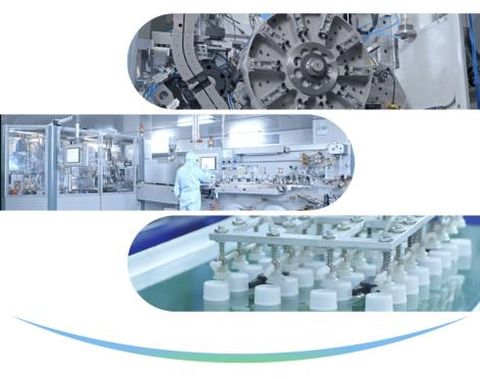
The inside of Rego’s facility. (Source: Rego)
APN: Apart from delivering time, what other changes are you seeing across the industry?
Wang: Today, it is no longer enough to simply manufacture packaging. We need to understand the characteristics of the product being filled, and then consider the customer’s product positioning and usage scenarios to determine the most suitable packaging format and the best way to bring the brand’s value to life. From there, we deliver customized packaging solutions and execute them in production, taking the project all the way from concept to finished product.
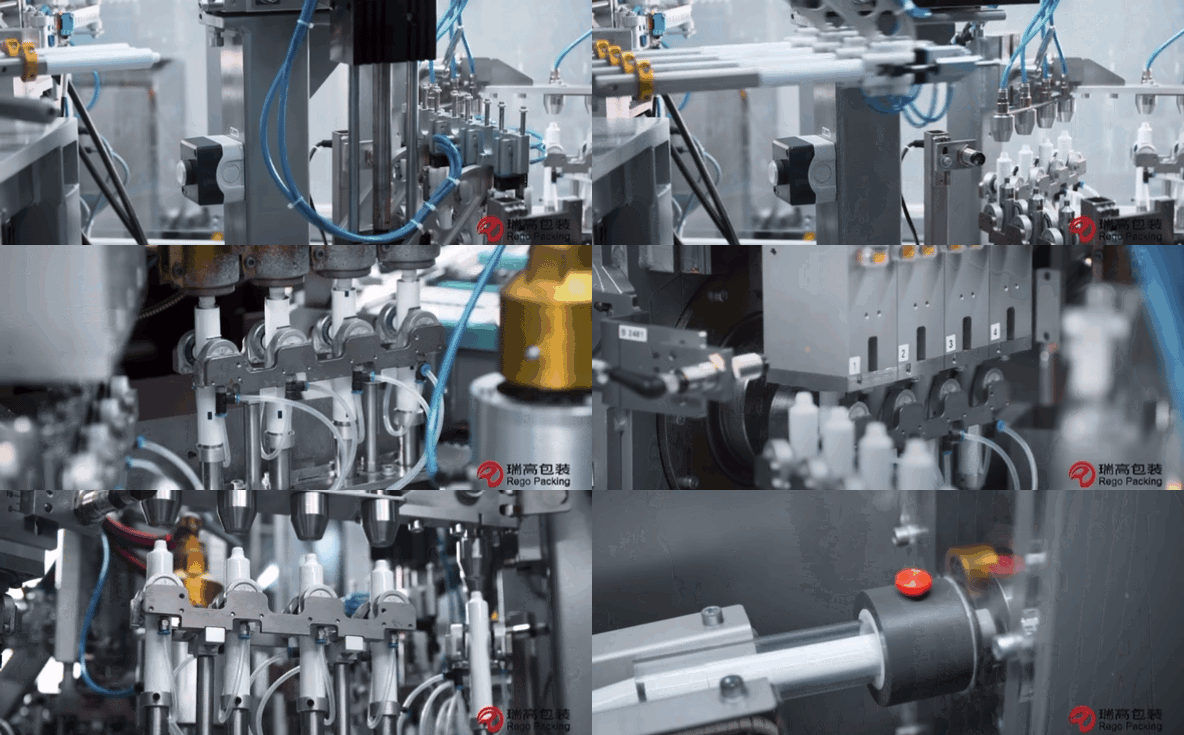
Packaging manufacturing. (Source: Rego)
Sustainability in tube packaging
APN: How do you view greener, more sustainable development for tubes?
Wang: Sustainable packaging is a one-way trend. I expect demand for these solutions in China to accelerate significantly around 2030.
We have been building capabilities in sustainable materials and structures for years. In 2022, we launched Eco-Era, a mono-material, recyclable, all-plastic HDPE tube, and became the first plastic packaging company in China to receive Association of Plastic Recyclers (APR) certification. It can serve as an alternative to non-recyclable, multi-material, all-plastic laminated tube structures. In 2024, we developed the VMPE eco tube, which offers a metallic look and excellent barrier performance, and can replace high-gloss VMPET tubes and aluminum-plastic laminate tubes.
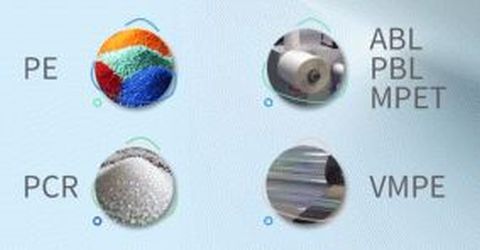
Rego offers a list of green packaging solutions, including bio-based PE, PCR plastics, mono-material plastics, and VMPE. (Source: Rego)
In addition, bio-based materials are already being used in some products, and post-consumer recycled (PCR) content is under active evaluation. While current regulations still limit the use of PCR materials in applications such as food, toothpaste, and pharmaceuticals, PCR-content tubes are already in commercial use in certain overseas markets.
VMPE refers to vacuum-metallized polyethylene film. It is made by applying a thin aluminum layer to a polyethylene (PE) film substrate through vacuum metallization, resulting in a structure that combines the flexibility of plastic film with metallic properties.
VMPET refers to vacuum-metallized polyester (PET) film, also commonly called metallized PET film. It is produced by applying a thin aluminum layer to a polyester (PET) film substrate through vacuum metallization, combining the flexibility of plastic film with metallic properties.
APN: How has the market responded?
Wang: The push for recyclable tube packaging has been led primarily by multinational brands in Europe and North America. Rego’s recyclable tube material solution has already been used in Sensodyne toothpaste, and it saw large-scale market rollout last year. We are also working with international brands such as Colgate. In China, more brands are starting to pay attention and are beginning to evaluate and trial these solutions.
Industry trends
APN: Looking ahead five to ten years, what trends do you expect to shape the industry?
Wang: Our industry is relatively steady. Toothpaste tubes remain our core product, and demand is resilient because people brush their teeth every day. The key is knowing why customers choose you and what sets you apart. If you stay focused on that and deliver consistently, you can hold your ground in this market. That said, competition is getting tougher, and margins are getting thinner, so we need to prepare early. We focus on two approaches:
Cost reduction: Improve efficiency and keep costs under control in established products
Innovation: Increase R&D investment to develop new products, new structures, and tubes designed for specialized applications
Only by doing this, we can preserve profitability in a price-competitive market.
From an industry perspective, several trends are clear:
Sustainability: A global, long-term direction
Premium aesthetics: Toothpaste packaging is increasingly influenced by cosmetics packaging, with more emphasis on design and a more premium look
Small-lot, high-mix production: Brands are launching more new products, but order volumes are getting smaller
In overall, competition will only intensify, but the underlying demand remains relatively stable.
APN: How do you see Rego in the next five to ten years?
Xu: We want to keep the business growing steadily while also breaking new ground. Our goal is to build Rego into a company that stands for high-quality tube manufacturing in China.
First, we will continue to strengthen and refine our toothpaste tube business and provide even better support for our core customers. Besides that, we will expand into new segments such as pharmaceuticals, food, and pet care, and explore applications where squeeze tubes can replace bottle packaging.
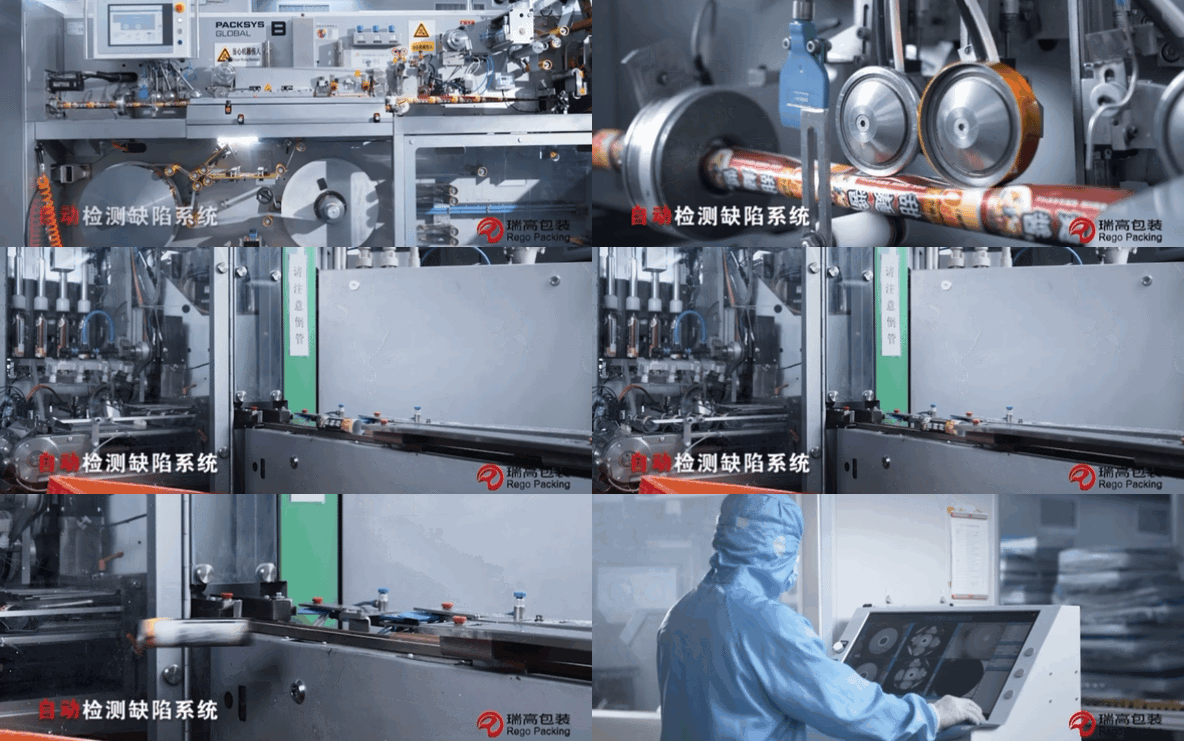
Automated system for inspecting defects. (Source: Rego)