



















Mars Materials CO2-derived product can be turned into raw material for carbon fiber

Mars Materials, a public benefit corporation working to store captured carbon dioxide into everyday products, announced a major manufacturing breakthrough by successfully turning its CO2-derived product into high-quality raw material for carbon fiber.
Together with textile experts at The Textile Innovation Engine of North Carolina and North Carolina State University, the joint study proved that Mars Materials’ carbon negative product works the same as traditional fossil-based chemicals.
"We proved we can make carbon fiber from the air without losing any quality. Just as we did with our water-soluble polymers, getting it right on the first try allows us to move faster. We can now focus on scaling up production," said Aaron Fitzgerald, CEO and Co-Founder of Mars Materials.
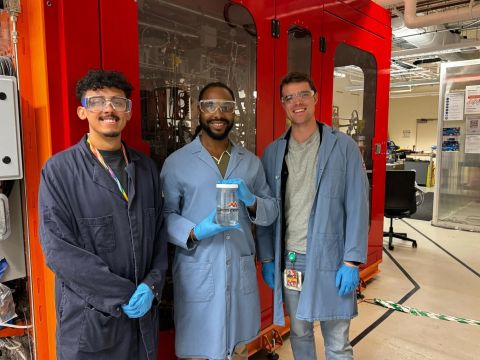
(From left) Trey Sheridan, Lead Process Engineer, Aaron Fitzgerald, CEO and Co-Founder, and Kristian Gubsch, CTO and Co-Founder of Mars Materials.
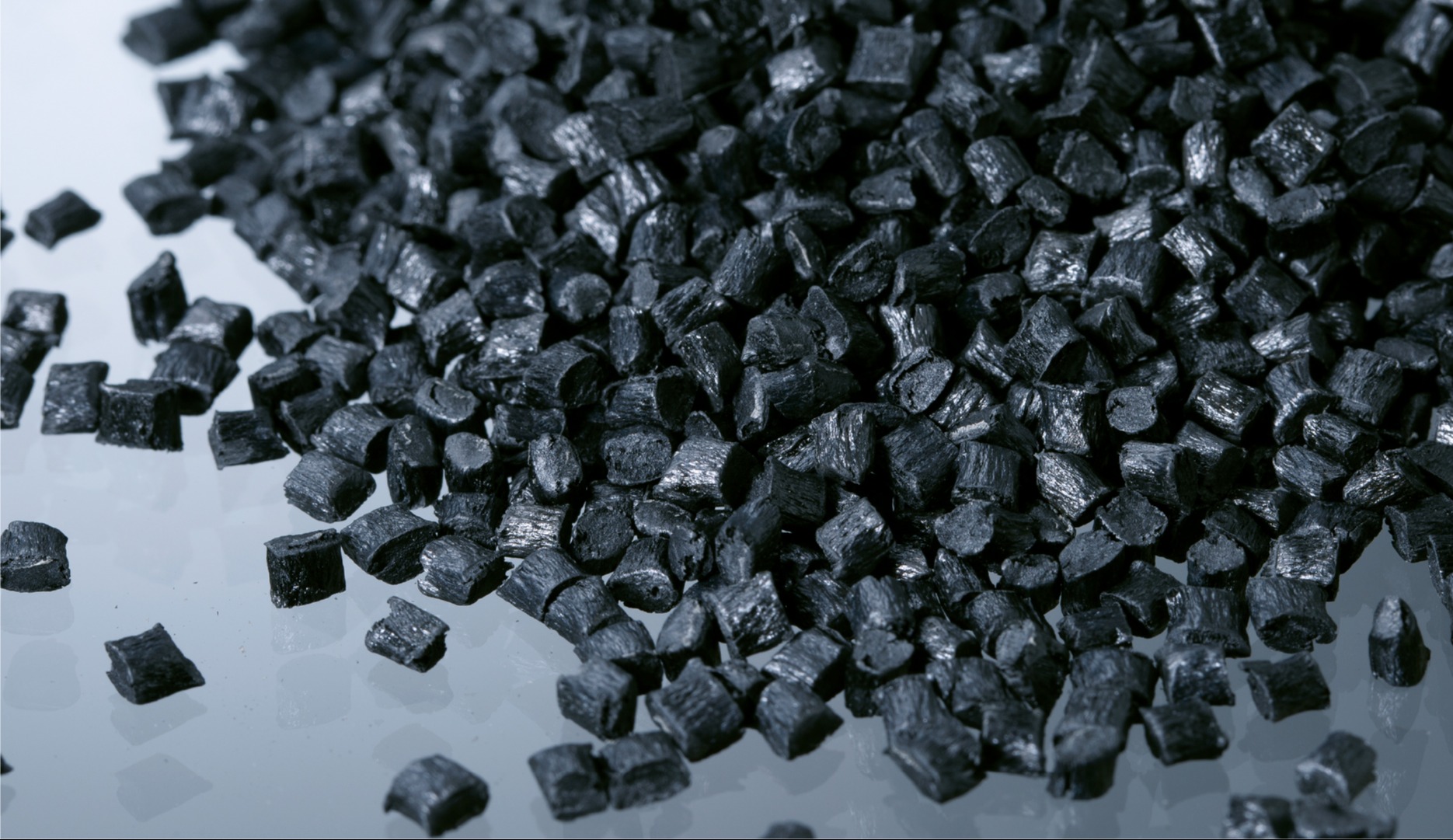
In its very first test, the product – called Hoigen-C – was turned into polyacrylonitrile (PAN), the sole ingredient for carbon fiber. It was proved to be chemically identical to fossil-based chemicals and meet the strict standards needed for high-performance carbon fiber used in airplanes, transmission lines and cars.
"The chemical structure and molecular weight are similar to commercial PAN," said Dr. Ericka Ford, Associate Professor at North Carolina State University.
Additionally, Hoigen-C works as a drop-in solution that can be added in any co-monomer, helping carbon fiber manufactures to reduce carbon footprint.
This validation opens a critical domestic supply line for major carbon fiber buyers like the United States military, who use the material in key applications for warfare. Mars Materials’ way to PAN uses captured CO2, is hydrogen cyanide free and ensures a secure North American supply chain.