










Tianyicheng: Hydrometallurgical extraction equipment for battery metal recovery

Dismantling and crushing a battery produces black mass, not metals. Recovering lithium, cobalt, nickel, and manganese from it takes leaching, solvent extraction, and precipitation — stages where the material is a corrosive solution rather than a solid. Mixing efficiency, sealing, corrosion resistance, and continuous operation determine whether a line holds its recovery rate, and each stage has to hand a clean solution to the next.
Hangzhou Tianyicheng New Energy Technology Co., Ltd. (天易成) was founded in 2010 and builds equipment for lithium battery material production and end-of-life battery recovery, covering process design, equipment manufacturing, installation and commissioning, operator training, and maintenance.
Per its 2026 half-year report it holds 58 patents and one software copyright relating to its main business, and has participated in drafting the national standard for cobalt smelter process design.
From dismantling to leaching and extraction
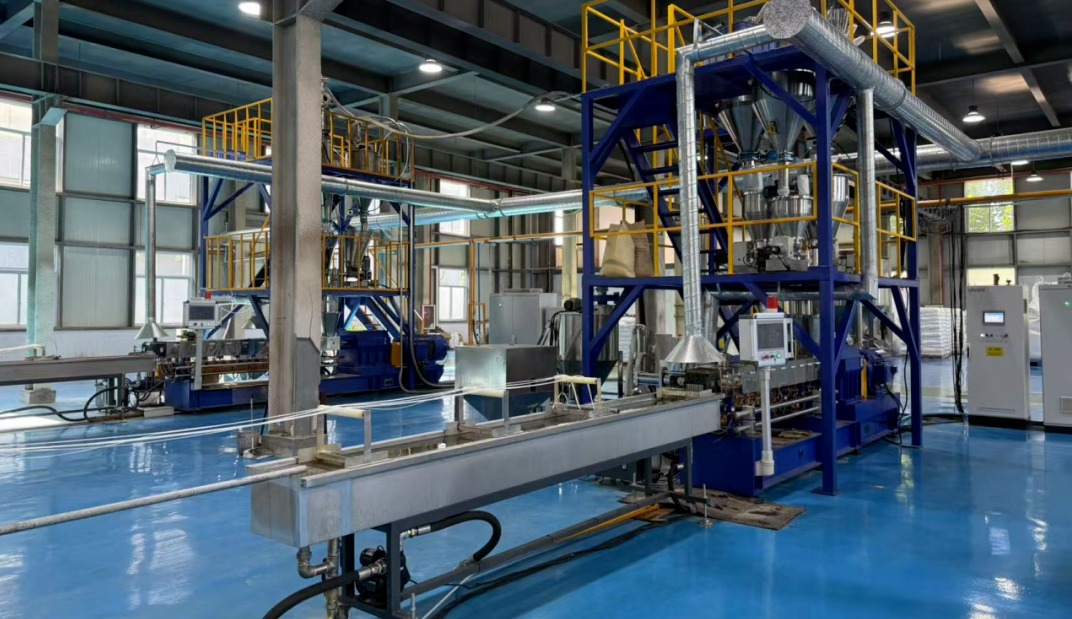
Tianyicheng supplies battery recovery equipment and complete solutions spanning dismantling and crushing through acid leaching, solvent extraction, and precipitation, with process design and plant layout configured per project.
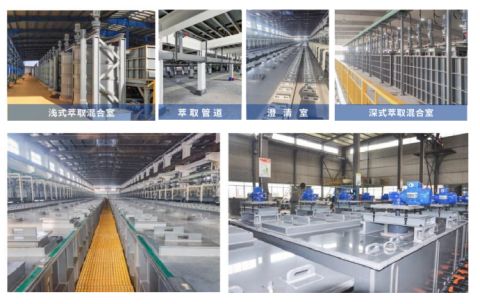
In the wet stage, pretreated material enters leaching so the target metals pass into solution; extraction then separates and purifies them, followed by the finishing steps each product specification requires. Flows and equipment are selected by feedstock composition and process requirement. The same capability serves lithium battery material lines and non-ferrous hydrometallurgy.
Named clients include GEM, Ganfeng Lithium, Hunan Brunp, and Korea's ECOPRO.
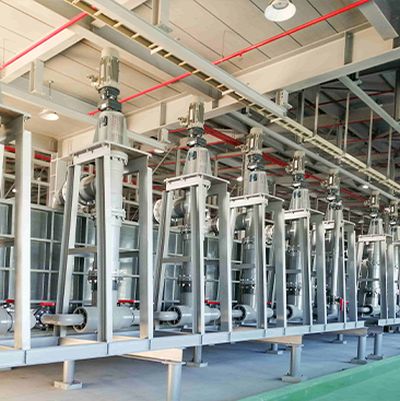
Tubular mixing extractor
Extraction depends on bringing the aqueous and organic phases into contact so the target species transfers between them; contact area, mixing method, and residence time set the design.
Tianyicheng's tubular mixing extractor uses a dedicated flow channel to shear the two phases together at speed inside the pipe, raising interfacial area and completing the mix within the tube. Mixing time falls from about five minutes conventionally to six or seven seconds, and the company reports extraction efficiency up 30% and stage efficiency up 10%.
The unit is enclosed, resists emulsification, consumes less extractant, and draws less installed power — relevant where mixer design affects footprint and running cost as much as recovery does.
PPH and HDPE corrosion-resistant equipment
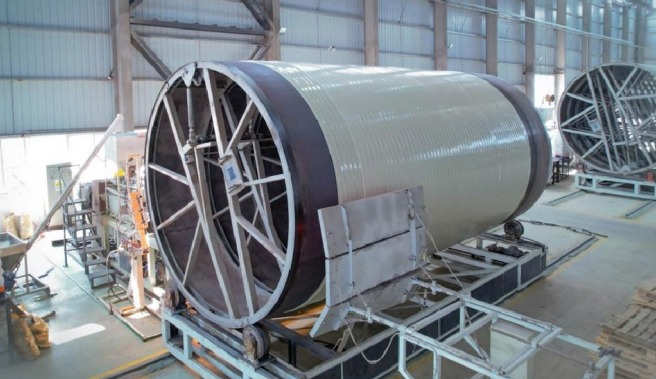
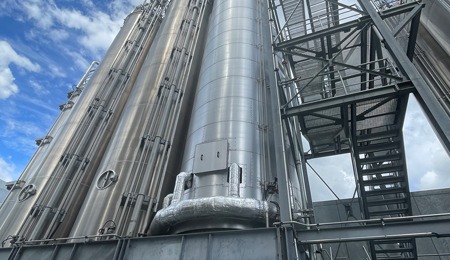
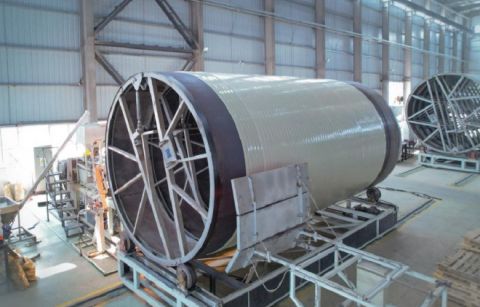
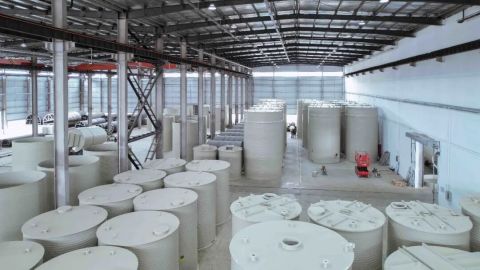
Alongside recovery and extraction equipment, Tianyicheng makes PPH and HDPE spiral-wound tanks, vessels, columns, and piping. These are extruded and wound rather than welded, with body and fittings in the same material, and are weldable, corrosion resistant, and available to 100 m³.
Against stainless steel they offer a cost advantage in some duties. Selection still depends on medium, temperature, pressure, and process conditions, which the company confirms case by case.
About the CRRE exhibitor
Hangzhou Tianyicheng New Energy Technology Co., Ltd. is a national high-tech enterprise working on end-of-life battery recovery, covering dismantling and crushing through hydrometallurgical leaching and solvent extraction, with solutions running from process design to equipment manufacturing.
Booth: C1F13
About CRRE
CRRE is positioned as a national-level platform, with deep integration across the whole chain and broad international collaboration. It adopts a “summit forum + physical exhibition” dual-engine model. It is committed to building the first five-in-one super hub for resource-circulation in the Asia-Pacific region, covering: recycling – reprocessing – high-value applications – green finance – international rules.
Preregistration:
https://reg.crre-expo.com/CRRE/visitor-registration/eng?Regsource=RAZ23777