









Optima Technology: Multi-stage shredding and washing lines for tires and plastics

A whole tire will not reduce to rubber powder in a single stage. Its size and the steel embedded in it mean the first machine can only cut it down; granulation, grinding, and separation follow, each sized to the product the plant intends to sell.
Waste plastics present the reverse problem — size reduction is easy, but sand, labels, and residue attached to the surface are not removed by crushing, so washing and dewatering have to be matched to how contaminated the feedstock is. Equipment selected stage by stage, without a view of the target product, produces material that no downstream buyer accepts.
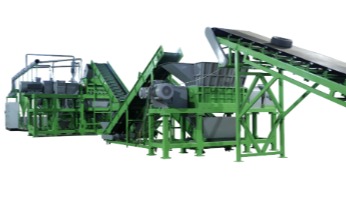
Changzhou Optima Technology Co., Ltd. (奥普提玛), based in Wujin, Changzhou, builds equipment for waste rubber and plastics recovery: tire shredding and crushing lines, rubber granule and powder lines, plastic crushers, plastic washing lines, and single- and twin-shaft shredders. It supplies individual machines and complete configured lines.
Tires
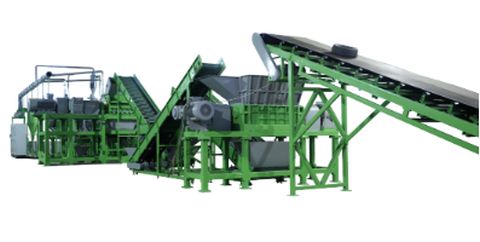
Optima's tire lines take car, truck, off-the-road, and large industrial tires. Multi-stage shredding, grinding, and separation convert them into tire blocks, rubber granules, and powder at different specifications, with steel wire separated out along the way.
Because tire rubber is tough and the steel inside loads the cutting tools, the equipment uses a high-torque drive and wear-resistant blade design. Line configuration follows feedstock type, target product specification, and required capacity — the output then feeds granule and powder production.
Plastics
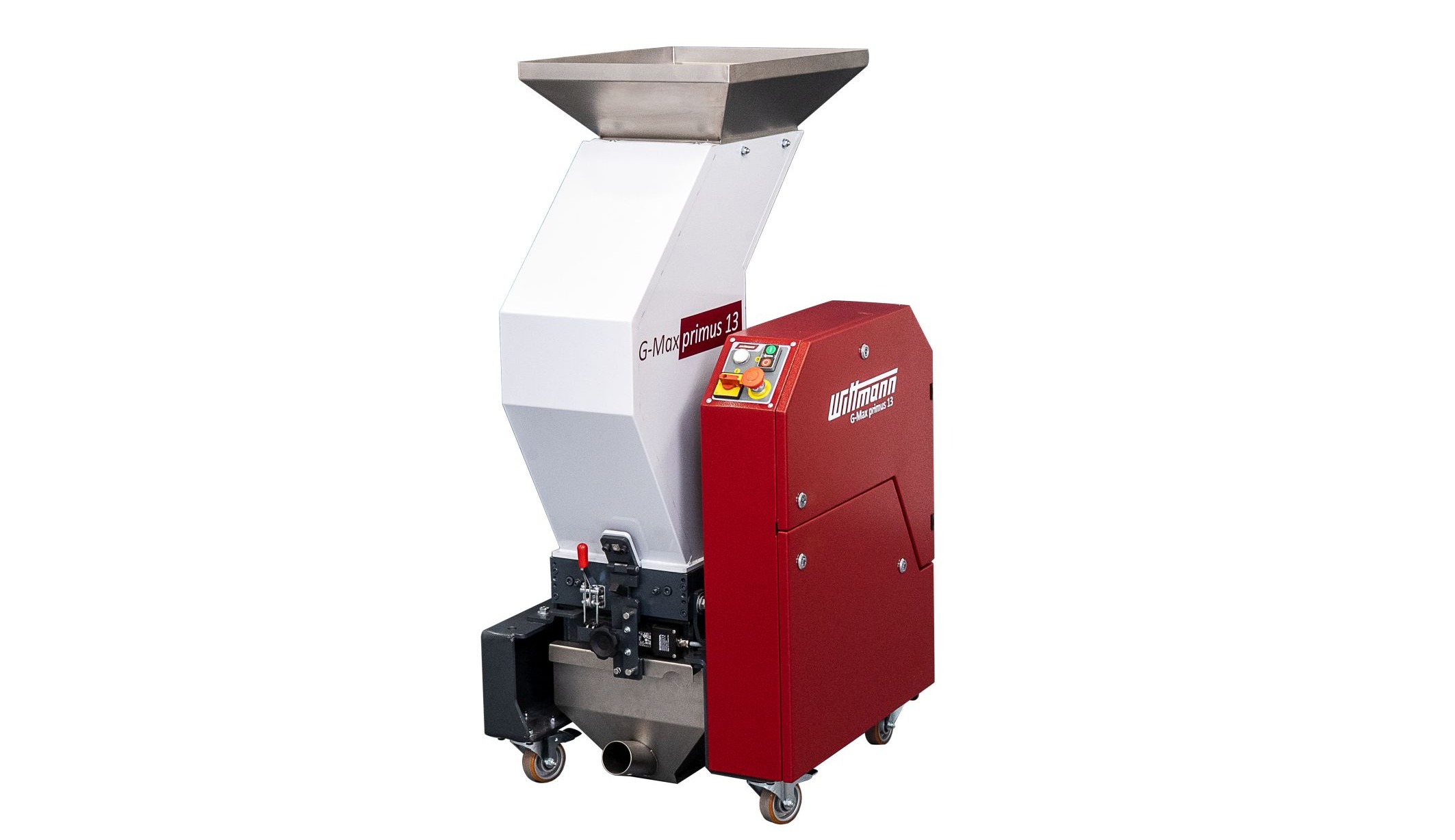
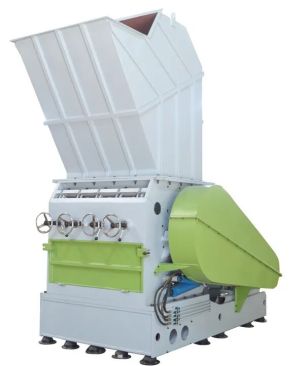
Plastic recovery starts with crushing, washing, and dewatering. Crushing reduces size to make washing and sorting possible; washing removes the sand, labels, and contamination adhering to the surface. Optima's granulators handle bottles, film, woven bags, sheet, pipe, and injection molding scrap, cutting between rotating and fixed blades; blade configuration and output size are selected to the material and the process downstream.
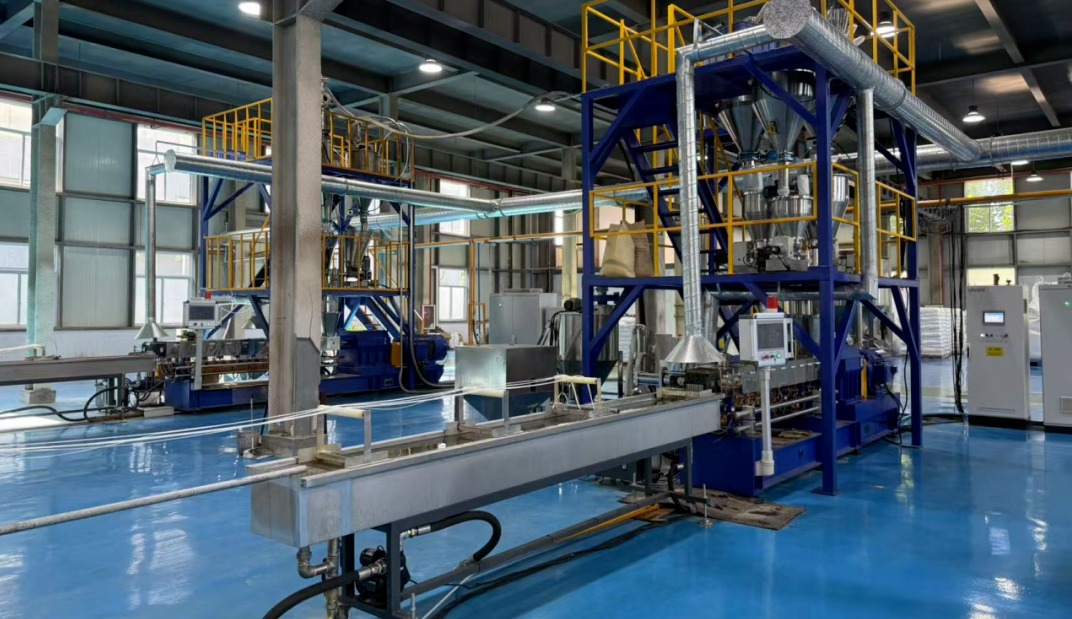
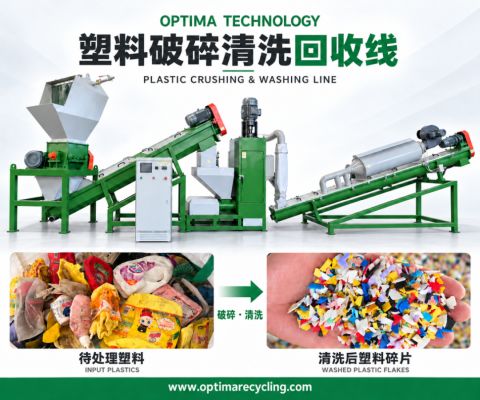
Its OPTIMA crushing and washing line combines crushing, washing, rinsing, and dewatering in one line, configured by feedstock type, contamination level, throughput, and finished-product requirement, delivering pre-treated material to pelletizing.
For processors rather than recyclers, the company also supplies in-line granulators that sit alongside injection molding, blow molding, and extrusion equipment to reduce sprue, edge trim, and reject parts as they arise. Regrind is blended back with virgin material to process specification after quality checks; the usable proportion depends on material properties, product requirements, and processing conditions.
Shredders
Oversized, awkward, or hard-to-feed material needs volume reduction before crushing. Optima's twin-shaft shredders run two counter-rotating shafts, cutting and tearing tires, rubber products, plastics, and bulky waste at low speed and high torque — suited to material requiring high cutting force, and producing fragments that convey, sort, or crush readily.
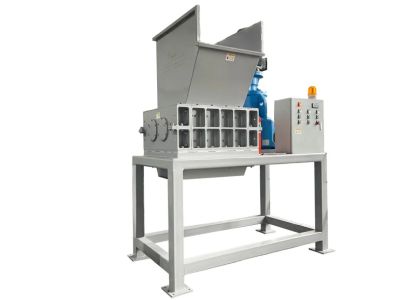
Single-shaft shredders cut between rotating and fixed blades, with blades, screens, and controls configured to the material, handling plastics, film, woven bags, and rubber products. Choosing between them depends on material size, toughness, feeding method, and target output size, and either can be paired with a downstream crusher where a finer product is needed.
About the CRRE exhibitor
Changzhou Optima Technology Co., Ltd. develops, manufactures, and supplies equipment and complete solutions for waste rubber and plastics recovery, serving customers in domestic and export markets.
Booth: C1F18
About CRRE
CRRE is positioned as a national-level platform, with deep integration across the whole chain and broad international collaboration. It adopts a “summit forum + physical exhibition” dual-engine model. It is committed to building the first five-in-one super hub for resource-circulation in the Asia-Pacific region, covering: recycling – reprocessing – high-value applications – green finance – international rules.
Preregistration:
https://reg.crre-expo.com/CRRE/visitor-registration/eng?Regsource=RAZ23777