














Automotive
Engineered elastomers deliver automotive powertrain solutions
Feb 23, 2011

The US-based silicone supplier Dow Corning has announced their provision of a wide range of proven engineered elastomers that deliver cost-effective powertrain solutions for today's automotive industry.
"Our Silastic brand and Dow Corning brand engineered elastomers are meeting multiple powertrain requirements for durable components with high reliability," said Ben Son, Dow Corning's Global Automotive Powertrain Systems major market leader.
"With heat-resistant silicone choices and fuel-resistant fluorosilicone options, many component design engineers are specifying the tough elastomers for a variety of underhood applications."
Mr Son added the company's selection of silicone and fluorosilicone engineered elastomers offers both design and processing flexibility for powertrain application solutions.
Special Dow Corning silicone elastomers can be used as airbag and inflatable curtain fabric coatings and seam sealants. The company developed the use of silicones on inflatable-restraint systems.
A primary reason for the two engineered elastomers to be a suitable choice on powertrain component solutions is that these tough compounds can outperform many organic polymers under harsh operating conditions, according to Dow Corning. They are able to withstand increasingly higher underhood temperatures to +200°C and resist softening, aging and compression set. They can stay flexible in numbing cold to -40°C with less cracking, brittleness or hardening. They also can resist degradation from engine fluids, solvents and environmental contaminants.
"With our high-performance engineered elastomers, we have increasing opportunities to meet today's powertrain requirements for durable, longer-lasting components on cars and trucks, as well as two- and three-wheelers," Mr Son said.
"Our Silastic brand and Dow Corning brand engineered elastomers are meeting multiple powertrain requirements for durable components with high reliability," said Ben Son, Dow Corning's Global Automotive Powertrain Systems major market leader.
"With heat-resistant silicone choices and fuel-resistant fluorosilicone options, many component design engineers are specifying the tough elastomers for a variety of underhood applications."
Mr Son added the company's selection of silicone and fluorosilicone engineered elastomers offers both design and processing flexibility for powertrain application solutions.
Special Dow Corning silicone elastomers can be used as airbag and inflatable curtain fabric coatings and seam sealants. The company developed the use of silicones on inflatable-restraint systems.
A primary reason for the two engineered elastomers to be a suitable choice on powertrain component solutions is that these tough compounds can outperform many organic polymers under harsh operating conditions, according to Dow Corning. They are able to withstand increasingly higher underhood temperatures to +200°C and resist softening, aging and compression set. They can stay flexible in numbing cold to -40°C with less cracking, brittleness or hardening. They also can resist degradation from engine fluids, solvents and environmental contaminants.
"With our high-performance engineered elastomers, we have increasing opportunities to meet today's powertrain requirements for durable, longer-lasting components on cars and trucks, as well as two- and three-wheelers," Mr Son said.
原创,请勿转载
Specials





Powertrain




Comments
Specials

Applications
TPEs reduce vehicle weight, improve fuel efficiency, and lower greenhouse gas emissions. Their recyclability allows for multiple reprocessing without significant property loss, reducing waste and conserving resources. TPE scrap and end-of-life components from the automotive industry can be recycled and reused, promoting a circular economy.
Jun 17, 2025

Automotive
To respond to the changes in the mobility sector, particularly in the field of e-mobility, ZF Group is realigning its structures. The restructuring will focus on the Electrified Powertrain Technologies division.
Jul 30, 2024
Automotive
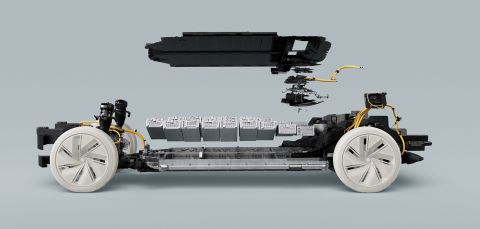
Volvo Cars partnered with Breathe Battery Technologies becoming the first car company to get access to the patented, algorithm-enabled charging software for use on new fully electric cars.
Mar 20, 2024