














Using recyclate lowers 20% CO2 emissions in BOPP film production, finds Brückner

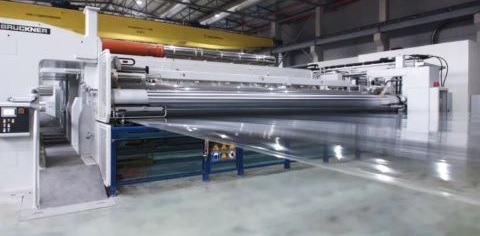
Brückner Maschinenbau, a supplier of film stretching lines, and envistra, an energy consulting company, had studied the carbon footprint of plastic film production.
Based on the data from a running film production plant in Eastern Europe, the energy consumption and emissions of the plant as well as specific emissions from production and transport of raw materials were recorded.
Per square meter of oriented polypropylene film (BOPP), the proportion of energy-related CO2 emissions from the production plant is about 12%, CO2 emissions from the manufacture of raw materials are about 72% and the remaining 16% are resulted in packaging, transport and thermal recycling.
The result shows that manufacturing raw materials accounts for the highest amount of CO2 emissions in BOPP film production.
Meanwhile, by using 30% recyclate, it is possible to lower the total CO2 emissions by 20%, from 2.744 to 2.193kg per kilogram of film produced.

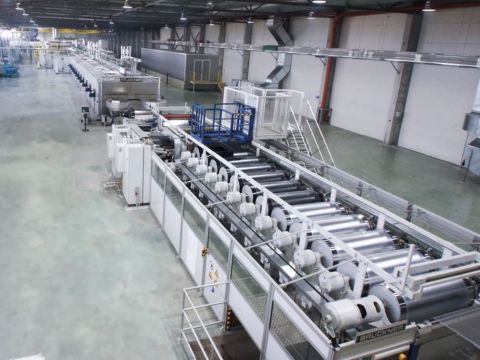
When using recyclate, Brückner’s film stretching systems saves 4.4 tons emissions per hour of production.
For Brückner’s film stretching systems, it produces around 8,000kg per hour, the reduction in CO2 emissions when using recyclate is even more striking, namely with 4.4 tons fewer emissions per hour of production.
Michael Baumeister, Manager Director and CTO of Brückner Maschinenbau, stated that a continuously declining use of fossil raw materials and ever lower energy consumption in film production were traditional goals in the further development of stretching technology. The study by Brückner Maschinenbau and envistra under real production conditions was another important step.
“Recyclate quality, availability and new areas of application for films containing recyclate must be developed together. To do this, we need all members of the value chain, from recyclers and raw material manufacturers to branded owners and retailers. And politics and legislation must also be on board,” added Steffen Kuhnigk, process engineer at Brückner Maschinenbau.