







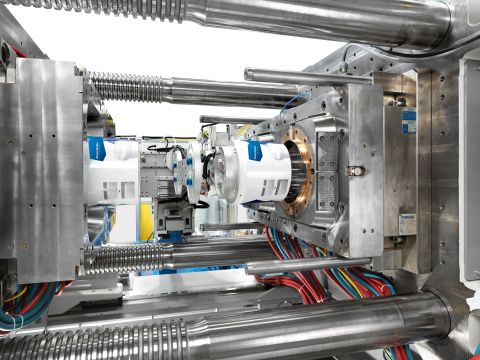














Trelleborg expands hydrogen testing capabilities with new dedicated lab

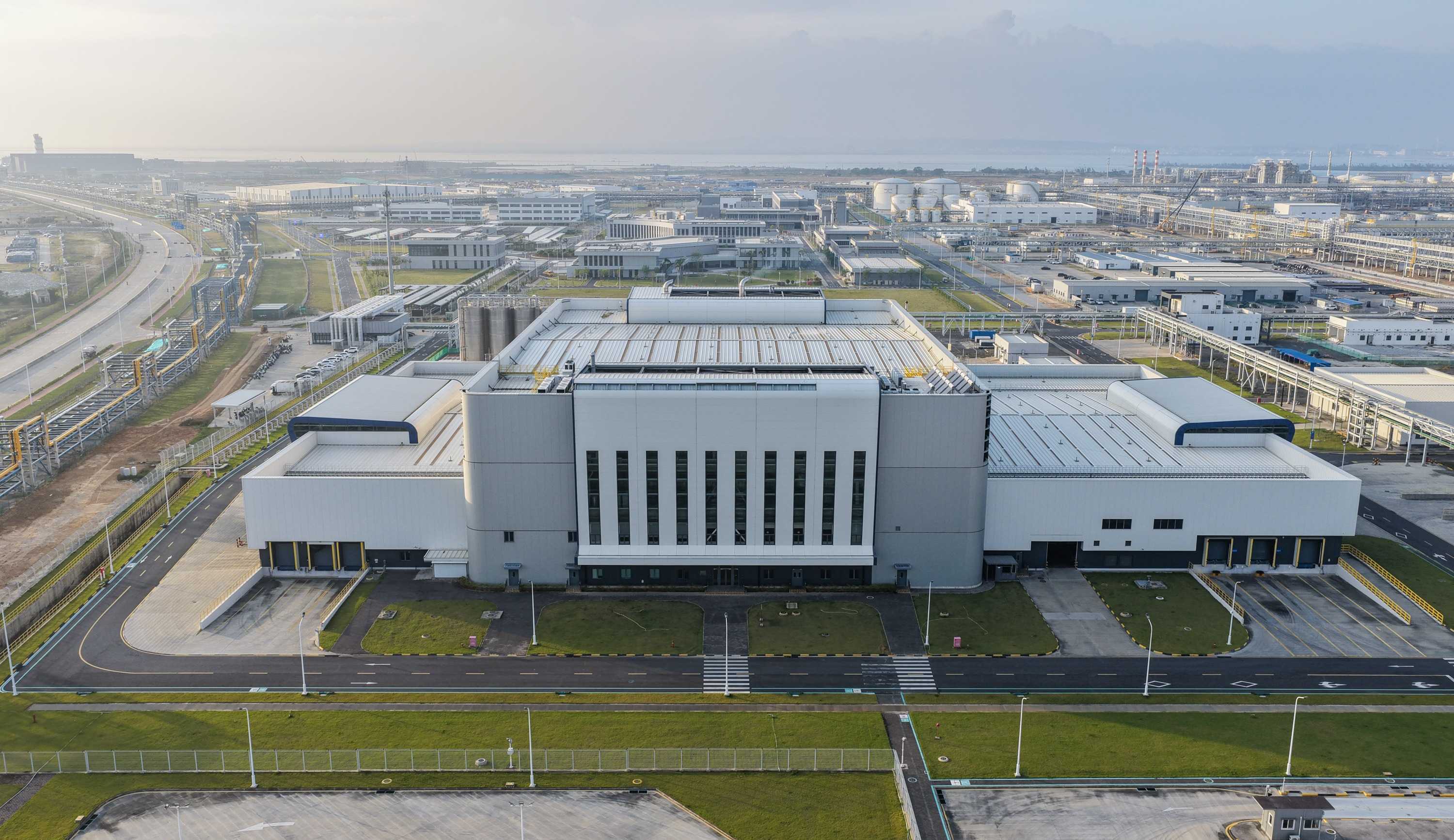
Trelleborg Sealing Solutions is set to break ground on a 1,000 square-feet hydrogen testing lab in Fort Wayne, Indiana, US, to expand its hydrogen testing capabilities.
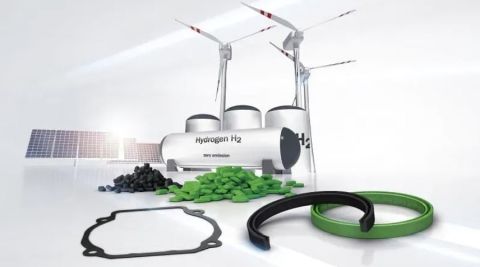
Trelleborg is constructing a testing lab to expand its hydrogen testing capabilities.
Scheduled to be completed in Q1 of 2024, the new lab aims to help customers navigate the challenges of the entire hydrogen value chain – generation, storage and transportation, end use and future hydrogen applications.
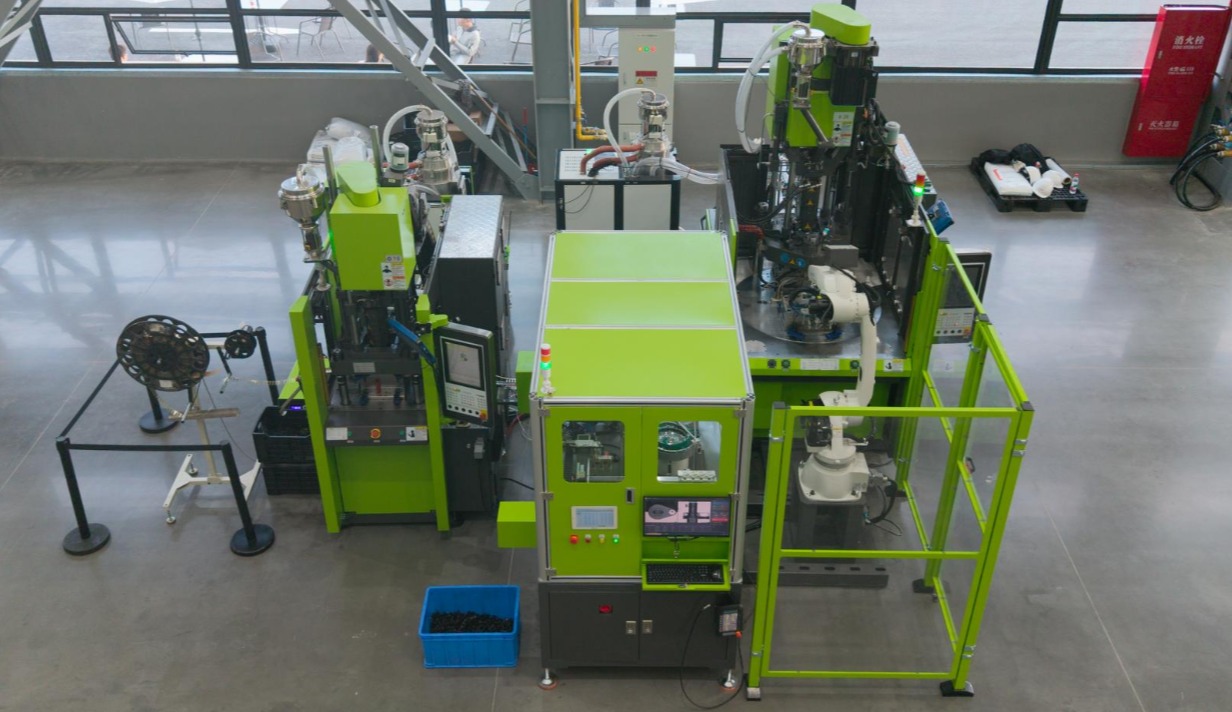
Testing capabilities will include critical criteria for sealing hydrogen, including hydrogen leak detection, compatibility, dynamic testing and permeation testing.
Engineering experts will perform tests that replicate worst case application conditions for rapid gas decompression, where hydrogen in a high-pressure system can be absorbed into a seal and if the pressure is suddenly relieved, gas trapped in the seal can expand, potentially causing the seal to blister and crack as the gas tries to escape.
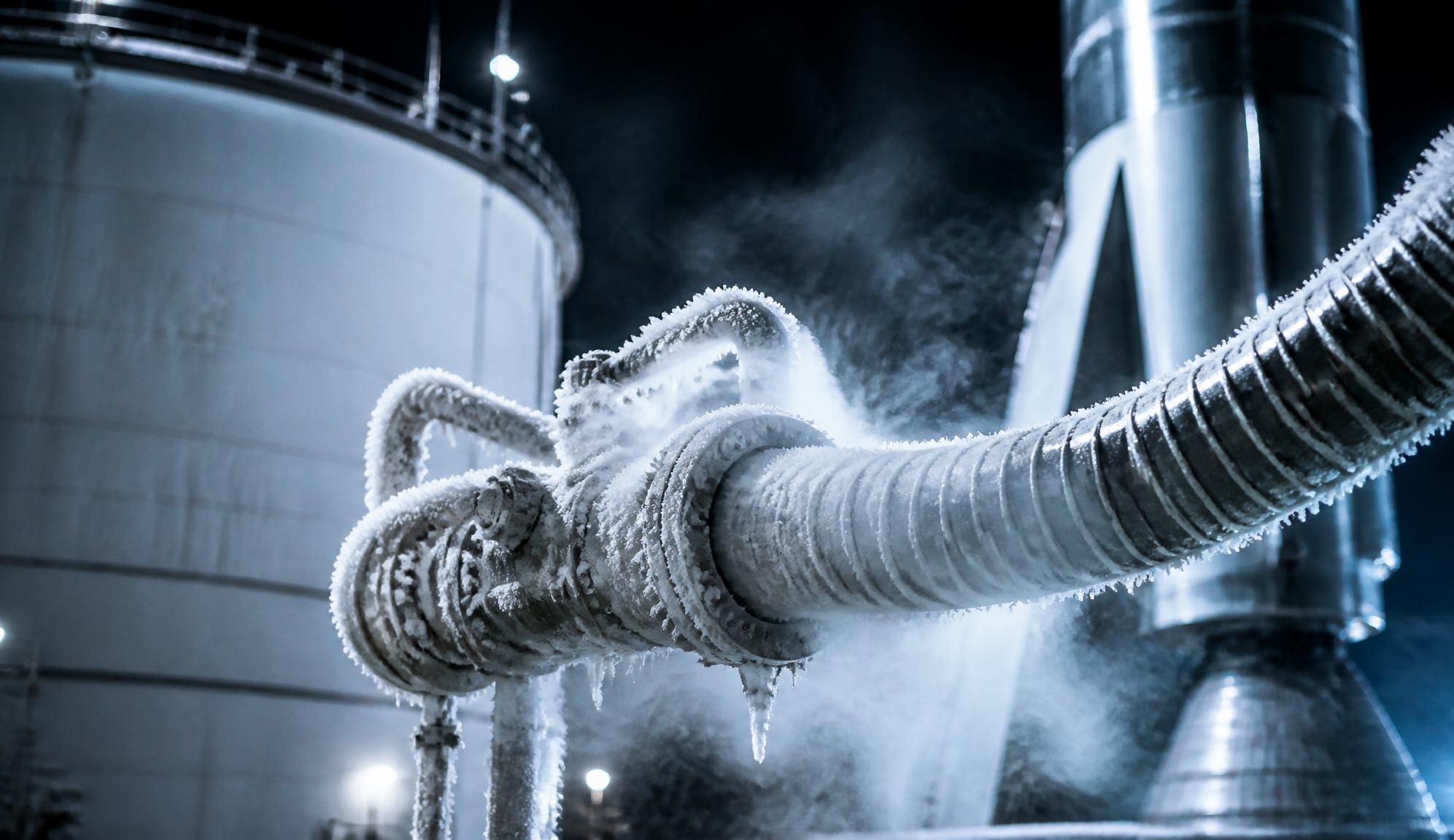
There will also be testing for pressures up to 15,000 PSI/1,034 bar and across all temperature ranges from cryogenic to above 180°C, and environmental thermal cycle testing at various pressure profiles.
Konrad Saur, VP of Innovation & Technology, pointed out that customers often do not know the testing specifications for hydrogen. Without agreed hydrogen test procedures, people often refer to testing standards for niche applications or oil and gas applications.
“However, these tests are not representative of the requirements for hydrogen applications, so Trelleborg has established a hydrogen application-specific test regime based on our expert knowledge of hydrogen sealing requirements,” said Saur.
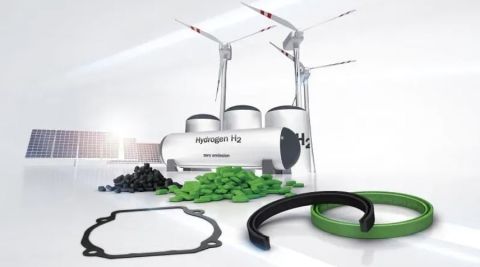
Recently, Trelleborg also launched the H²Pro range of sealing materials for every application of the hydrogen value chain, including H²Pro EBT25, a new ethylene propylene diene monomer (EPDM) for high-pressure environments across a wide range of temperatures, and Zurcon H²Pro ZLT, a unique thermoplastic polyurethane (TPU) for very low temperatures.