









Polyplastics responds to growing demands in NEV, 5G and 3D printing

Polyplastics showcases the core applications of its polyoxymethylene (POM), as well as the applications of PPS (polyphenylene sulfide) and LCP (liquid crystal polymer) in xEV and 5G industries.
Also on display are materials and technologies related to 3D printing for products that require small batches and a high degree of molding flexibility.
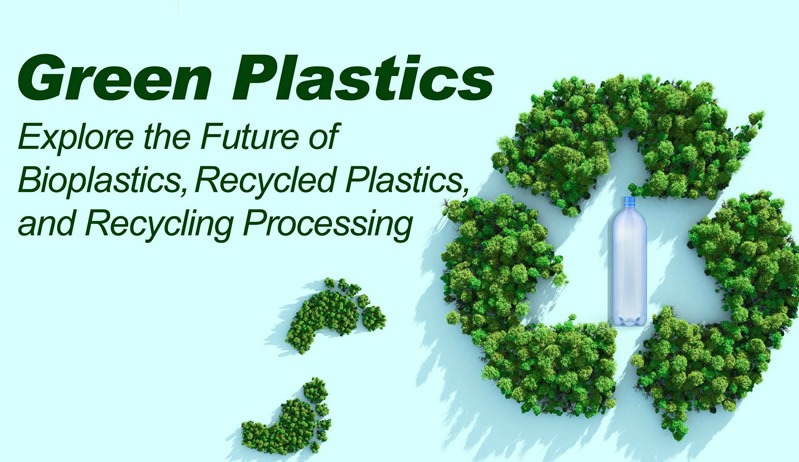
In sync with the trend in the plastics industry, the company has set its goals for environmental and carbon reduction requirements. It has committed to achieve a reduction of greenhouse gas by 50% and product carbon footprint by 46% by 2030.
Its commitment is demonstrated in a range of eco-friendly products and initiatives, including the bG, eG and rG series, cellulose acetate, lignogenic fibers, and the DURACIRCLE initiative for recycling engineering plastics.
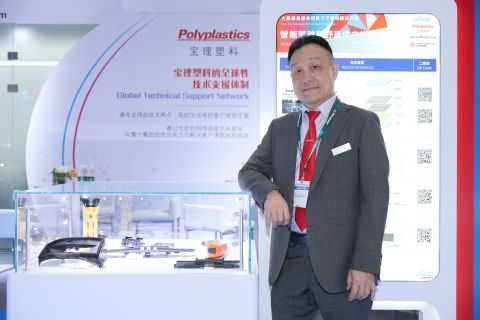
Steven Zhu, General Manager, Polyplastics (Shanghai) Ltd., believes that sustainability is more than a social responsibility, but also brings new business opportunities and drives industry development.
He adds that through the provision of green products and services, companies can win the favor of consumers, increase market competitiveness and open up innovative fields and enhance brand value.
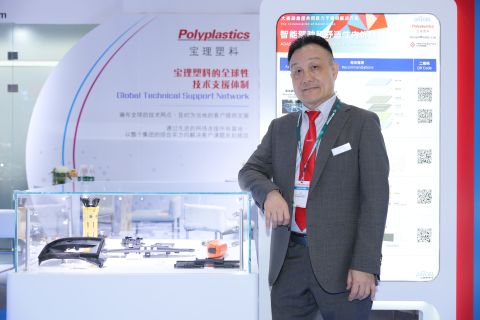
Steven Zhu, General Manager, Polyplastics (Shanghai) Ltd.
Vibrant outlook sets to bring more opportunities
China's fast-growing new energy vehicle (NEV) sector has brought opportunities to the markets. For example, Polyplastics’ PPS features high-temperature resistance and high resistance to chemicals and is widely used in busbar, insulated-gate bipolar transistor (IGBT) and advanced driver assistance system (ADAS) for NEVs.
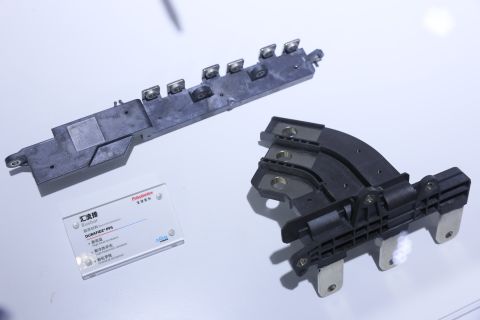
Polyplastics’ PPS is widely used in busbars.
Meanwhile, with the increasing requirements for component miniaturization, LCP’s ultra-high fluidity and high heat resistance allow it to be extensively used in 5G base station servers and many components in terminal mobile phones and computers.
On the other hand, 3D printing technology has brought numerous advantages to product manufacturing in terms of shortened production cycle, reduced costs, improved design flexibility and reduced material wastes. Responding to market demands, Polyplastics has developed corresponding specifications suitable for 3D printing.
Expanding production to meet demands
Zhu sees China as a country with stable economic growth that will gradually recover and grow in market demand in the next two to three years. “With the transformation and upgrading of the industrial structure, coupled with the demand for higher quality, the output of plastic products will continue to grow and market opportunities are still substantial,” he explains.
He expects that the automotive industry, as the pillar industry of China’s economic development, will develop vigorously as the NEV market flourishes. This will bring new growth momentum to the auto parts sector as the concept of automobile lightweight and environmental protection deepens further, which will lead to an increase in the demand for plastics.
To meet the needs for market development, Polyplastics’ new 90,000-ton POM polymerization plant in Nantong, China is under construction and will be ready for commercial operation by the end of this year. Meanwhile, its factory in Taiwan region will commence expanded LCP operations in the second half of the year.
China as a growth engine for global economy
“After a turbulent 2023, we are full of expectations for 2024,” says Zhu. As the global economy is in the process of cyclical adjustment, he believes that 2024 will remain complex and uncertain due to multiple factors, such as high inflation and high interest rates, the continuation of geopolitical conflicts, the reshaping of industrial and supply chains, and the rise in operating costs.
Having said that, he forecasts that emerging markets will achieve faster growth in 2024, with the key driving force for their accelerated recovery attributed to the development of China’s economy.
In 2024, with a series of policy measures taken by the Chinese government to take effect and private enterprise investment continuing to grow, he expects that the macro economy will further recover and stabilize.
“The green economy, digital economy and smart economy may become the new ‘troika’ driving China's economy,” Zhu concludes.
Booth: 7.2C81