











PLA-based material set for commercialization allows easy-to-recycle flexible packaging

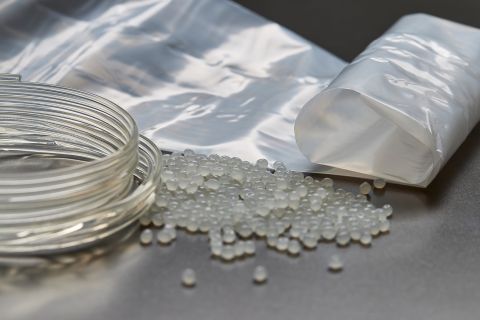
A team from the Fraunhofer Institute for Applied Polymer Research IAP has developed a flexible and recyclable plastic film material based on polylactide (PLA) bioplastic and prepared for its commercialization.
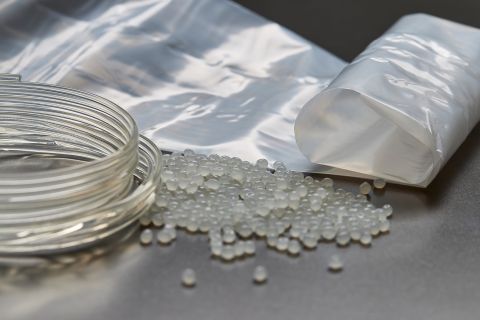
A new sustainable, flexible PLA material is developed that can be processed and recycled in similar way as LDPE.
Challenges of recycling flexible packaging and use of PLA
Flexible, disposable plastic films are made mainly from petroleum-based low-density polyethylene (LDPE). In the recycling process, the material is broken down into their basic components to produce new plastics with the same properties. However, part of the material is lost in the cycle of production, use and reuse.
Biopolyester PLA – a bio-based, biodegradable, easily recyclable material – can solve the challenge. With high stiffness, PLA suited for rigid packaging such as disposable cups, but it is not for flexible packaging.
Plasticizers as the solution
The team discovered that by coupling with plasticizers, so-called polyethers, directly with the polymer chain to make PLA more flexible. Polyethers are non-toxic, commercially available and can also be produced from bio-based raw materials.
However, the plasticizer molecules migrate out of the material over time, making the PLA stiff and rigid again.
To prevent this migration, the team anchored the polyether to the polymer. “To achieve this, we synthesized PLA-based block copolymers in which the polyether chain segment is covalently linked to PLA chain segments at both ends,” explained Dr. Benjamín Rodríguez at Fraunhofer IAP.
Sustainable and flexible packaging
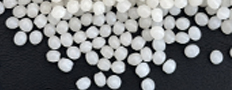
The end result is a flexible PLA material that does not contain migrating plasticizers, with at least 80% bio-based material.
André Gomoll, also from at Fraunhofer IAP, added that the team might be able to increase this proportion to almost 100%.
The novel material can be produced cost-efficiently from commercially available raw materials in a simple synthesis process. This process can also be implemented locally by medium-sized companies.
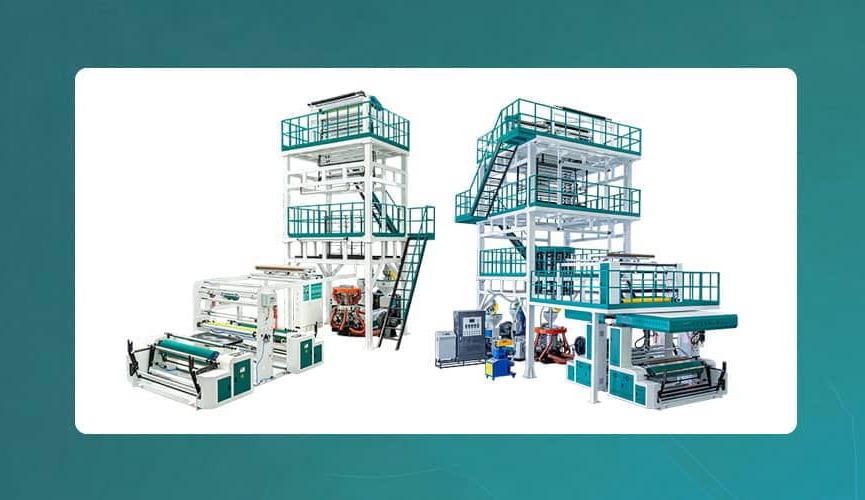
In addition, the new PLA material can be processed into plastic films using conventional processing equipment in a similar way to LDPE, and it can be chemically recycled with considerably less energy input than LDPE.
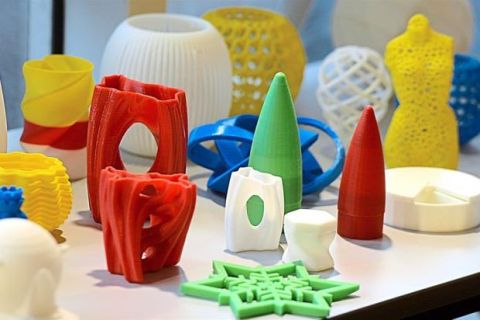
Not only for flexible packaging films, the new material can also be applied to new use cases, such as in the automotive sector, textile industry and additive manufacturing.
Commercializing the material
In 2023, SoBiCo GmbH, a subsidiary of the Polymer-Group, commissioned a production plant for the new PLA block copolymers in Pferdsfeld, at western Germany. It produces 2,000 tons of the new bioplastics per year under the name Plactid. In the long term, it is set to produce 10,000 tons of the new flexible PLA material each year.