








(Interview) Opportunity: Digitalization to propel Vietnam’s recycling growth from 33% rate

Under the rising trend of plastic circularity, Vietnam is facing the challenge of “high consumption, low recycling rate”, with an annual plastic consumption of 3.9 million tons yet only 33% recycling rate.
In view of this, Vietnam officially implemented the Extended Producer Responsibility (EPR) system in 2024, which requires companies to be responsible for the entire lifecycle of packaging.
To explore the opportunities and challenges brought by Vietnam’s EPR system, as well as the key to Vietnam’s plastic recycling industry transformation, Adsale Plastics Network has conducted an exclusive interview with Chu Thi Kim Thanh, Chief Operating Officer of PRO Vietnam (Packaging Recycling Organization Vietnam).

Chu Thi Kim Thanh, Chief Operating Officer of PRO Vietnam.
As the core policy implementation agency, how do you evaluate the role of EPR in transforming Vietnam's plastic recycling industry?
Chu Thi Kim Thanh: The implementation of EPR in Vietnam emerges as a pivotal policy tool driving the transition toward a more circular and sustainable economy. EPR promotes a more professional, sustainable, and integrated approach to plastic waste management. EPR is catalyzing systemic change across the plastic recycling value chain.
Vietnam has a high plastic consumption coupled with low recycling rates. However, a substantial portion of feedstock for recycling operations comes from imported plastic waste. A substantial portion of Vietnam’s plastic recycling capacity (over 25%) is concentrated in craft villages where most recycling activities are carried out under poorly regulated environmental and occupational safety conditions. Most of these informal facilities rely on outdated technology, leading to environmental pollution and low-grade recycled products.
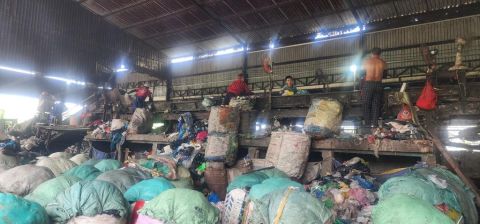
Vietnam’s recycling rate is only 33%.
In this context, EPR implementation has a key role in:
Securing a stable supply of recyclable materials: EPR compels manufacturers and importers take responsibility for the collection and recycling of post-consumer packaging. As a result, the volume of plastic recovered increases significantly, providing recycling facilities with a consistent source of feedstock, while also reducing dependence on imported plastic waste. This stability is essential for the long-term viability of domestic recycling operations.
Promoting investment in plastic recycling technology and infrastructure: To implement EPR, companies will be required to collaborate with certified recycling entities. This creates an incentive for recycling facilities to upgrade their operations and adopt advanced technologies, thereby enhancing the quality and value of recycled plastic in Vietnam.
Enhancing transparency and professionalization across the recycling value chain: The EPR framework mandates clear reporting, monitoring, and oversight mechanisms. These improve transparency throughout the recycling process and help formalize the sector.
Providing opportunities for the informal sector: The EPR implementation presents an opportunity to integrate informal recycling entities into the formal management system through licensing, training, and technical support. EPR also presents opportunity to improve working conditions and ensure workers right, particularly women of this informal sector.
In the process of shifting companies from "passive compliance" to "active innovation," what key challenges does your organization face?
Chu Thi Kim Thanh: As a pioneering organization in the implementation and support EPR, we view the transition from “passive compliance” to “proactive innovation” as a strategic opportunity, but one that is accompanied by several key challenges:
Policy challenges: The lack of timely and targeted policy in current regulatory frameworks have yet to fully encourage enterprises to take initiative in advancing sustainable practices.
Infrastructure challenges: The infrastructure of waste sorting, collection, and recycling remains underdeveloped and insufficient to meet the growing demands.
Resource constraints: Most of the funding for development, innovation, and investment now comes from the private sector. However, this landscape remains fragmented and lacks the financial capacity for large-scale, integrated projects, as well as public-private partnerships.
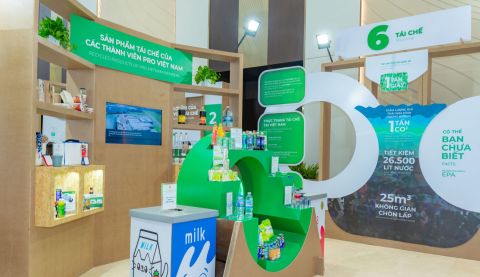
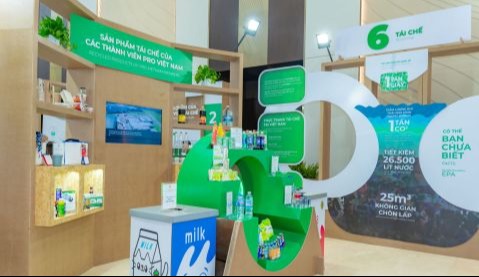
PRO Vietnam recently showed the innovative recycling solutions from its member companies in the organization’s 5th anniversary celebration.
What results have Vietnamese companies achieved in fulfilling the EPR system?
Chu Thi Kim Thanh: In fact, our pilot initiatives for the collection and recycling of various types of packaging were launched as early as 2022. As the authorized intermediary organization designated by member companies to implement EPR, we have achieved several key milestones within the first year of official implementation.
Successful development of a collection/recycling model for hard-to-recycle materials: We established an effective Collection and Recycling (C&R) model targeting low-value, difficult-to-collect materials such as flexible plastic packaging. Although the initial scale remains modest, it provides a strong foundation for future research and development.
Strengthening the formal recycling sector: Our efforts have supported formal recycling enterprises in enhancing their operational capacity and competitiveness, fostering motivation for long-term transformation and innovation.
Promoting domestic recyclable material use: By incentivizing the use of domestically sourced recyclable waste, we have contributed to increasing national recycling rates. Additionally, through collection subsidies, we have indirectly improved the livelihoods of informal waste collectors, an essential yet often overlooked part of the recycling value chain.
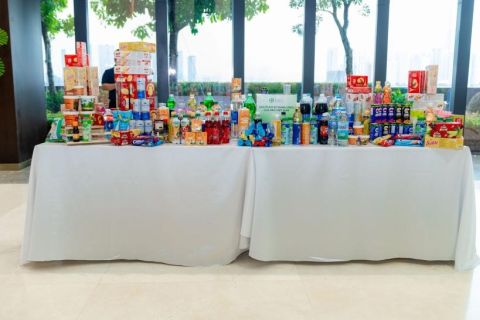
PRO Vietnam’s member companies, from large FMCG brands to collection and recycling companies, jointly contribute to a sustainable ecosystem for Vietnam’s circular economy.
Surveys show that 57.4% of Vietnamese consumers are willing to pay a premium for green packaging, but the actual recycling rate is only 25%. How does your organization bridge the gap between "environmental awareness" and "behavioral implementation"?
Chu Thi Kim Thanh: According to data from the Ministry of Industry and Technology (2023), the national recycling rate currently stands at 33%. This figure is expected to improve further with the implementation of EPR beginning in 2024.
Regarding the gap, we believe that effective communication plays a pivotal role to deliver impactful communication campaigns. On the other hand, we have also invested in supporting infrastructure and conducted education in communities, as well as encouraged companies and manufacturers to transition toward greener, more sustainable products.
Looking ahead, we are committed to investing in research and forming partnerships to develop advanced recycling technologies and improve the accessibility, competitiveness of recycled products.

PRO Vietnam broadens the public knowledge on plastic recycling through community education.
How do you view the role of digital transformation (such as smart sorting and blockchain traceability) in promoting plastic recycling and circular economy?
Chu Thi Kim Thanh: Digital transformation is critical to improving operational efficiency, ensuring traceability, and increasing transparency across the entire value chain of waste management. In the next five years, we will focus on driving the collection infrastructure and the digital transformation in the recycling chain.
We also plan to support the development of sustainable packaging solutions among our members and the implementation of circular practices throughout the packaging lifecycle, from design to disposal.
About the labor skills, Vietnam has a young, fast-learning workforce with high adaptability, meeting the evolving demands of a circular economy. We remain confident that this talent pool will drive innovation and scale sustainable solutions in the years ahead.