





EREMA: Circular economy will only succeed when we develop collectively

In this VDMA interview on the way to K 2025, Manfred Hackl, CEO of the EREMA Group, discussed the development of recycling technologies, recycling market, and implementation of circular economy.
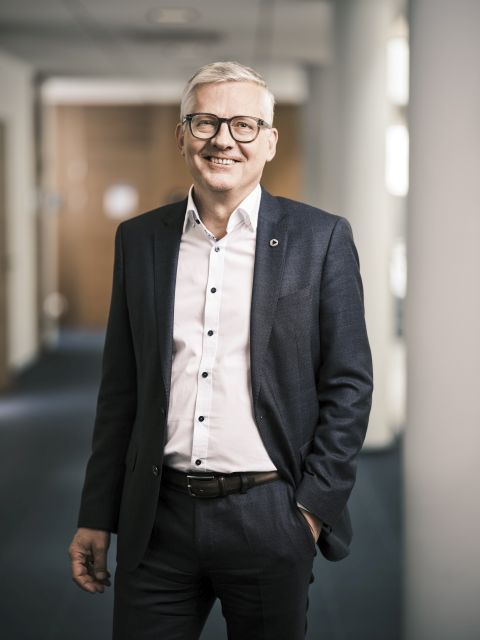
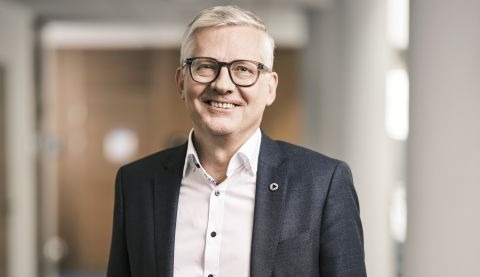
Manfred Hackl, CEO of the EREMA Group.
Mr. Hackl, EREMA celebrated its 40th anniversary in 2023. How has recycling developed during that time?
Hackl: If you look back over these 40 years, you will realize that an incredible amount has been achieved in plastics recycling. Recycling technologies have developed rapidly. As EREMA, we have repeatedly set milestones and have always been a driver of innovation. At this year's K, we will once again be presenting many new products, especially solutions that further improve recyclate quality.
Can you give a few examples of the developments?
Hackl: A lot has happened since then. Nine years ago, for example, there was no rHDPE packaging for food contact, and no household bottles or body care bottles made from post-consumer material. Supermarket film with recycled content was still quite a way off back then. All of these now exist, which shows how fast everything has developed.
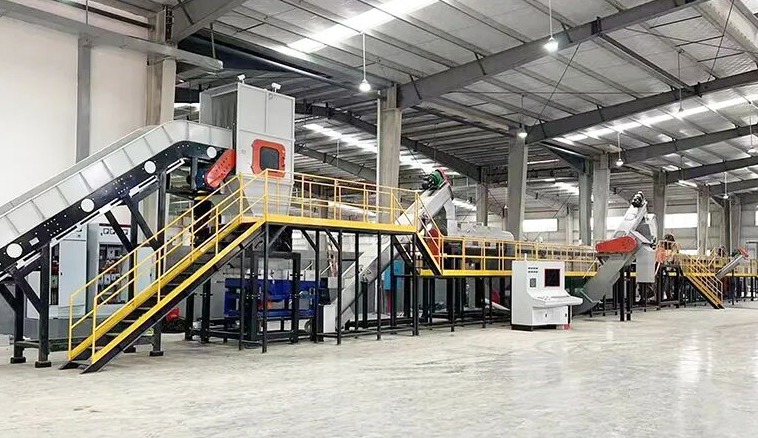
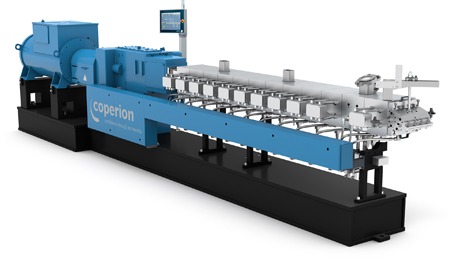
However, this process must of course continue. The interaction of innovative solutions is still needed to drive plastic recycling forward: the right washing method with the right extrusion, with the right filtration to produce regranulate of the highest quality and odor neutrality. We have the precise technology to ensure this through our group of companies; however, the circular economy will basically only progress if we develop together across the entire plastics value chain.
The current economic environment doesn’t look promising. What is the situation in your sector?
Hackl: The recent economic situation of many companies within our industry has not developed very satisfactorily, due to the fact that numerous geopolitical upheavals have made customers reluctant to invest. I am encouraged by the fact that the EU's Clean Industrial Deal and the Green Deal are very much focused on the circular economy. We are also noticing that the major brand manufacturers and consumers now want to keep materials within the plastics cycle.
What is the logic behind the cooperation between EREMA and Lindner?
Hackl: It is actually more than just a cooperation. We have jointly founded the Blueone Solutions holding company, in which EREMA and Lindner each hold 50% of the shares. We are now a group of companies. Through the joint venture, we are creating a digitalized and industrialized process from waste to the finished pellet. At K, we will be presenting new solutions and demonstrating that we need to think holistically if we want to achieve the next level of recyclate quality.
What needs to happen for recycling to be economical in the long term?
Hackl: The cost-effectiveness of recycling always depends on the price of virgin material. If the price is low, as is currently the case, recycling is more expensive. Comprehensive countermeasures are needed here so that long-term planning is possible. How are you supposed to make a plant that has been depreciating over five or ten years economically viable if you have to purchase your input, your raw material, at monthly prices, as is the case today? Instead of a plastics tax, a CO₂ bonus for the regranulate would be desirable. If the positive CO₂ contribution of recycled pellets – which is 25-30% depending on the application – was taken into account accordingly, this could contribute to the urgently needed price stability; both would be effective measures.
Can they be implemented in practice?
Hackl: I am convinced that something has to be done if we want to promote the circular economy. The whole thing should be initiated by the EU. Then it is quite possible that others will follow suit. Countries such as India, China, America and many others have already adapted their legislation in the area of the circular economy to comply with EU regulations. They have recognized that the circular economy conserves valuable resources. In my view, the EU should once again take on a pioneering role and introduce models such as those just mentioned.
What are you planning for the K?
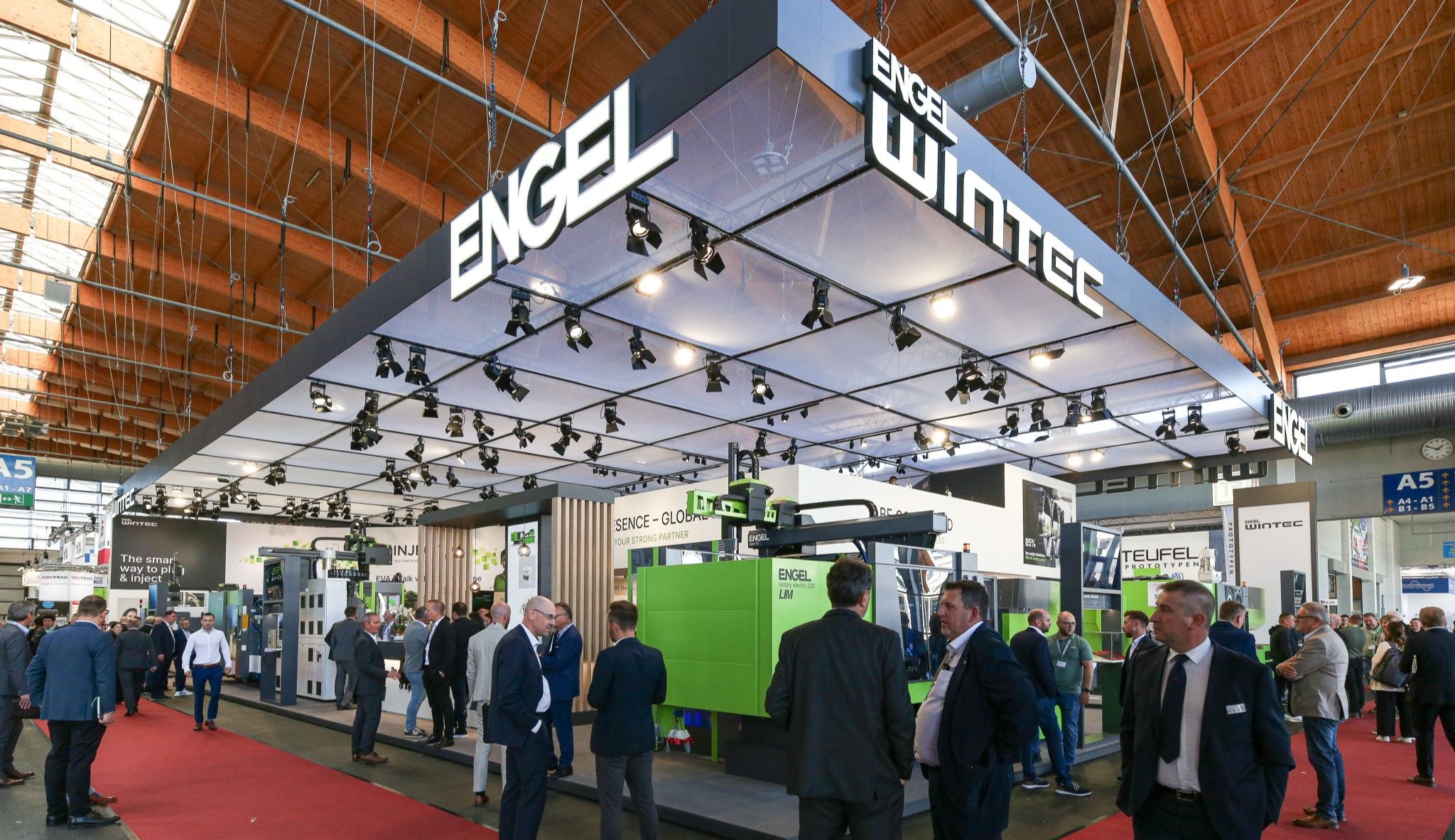
Hackl: As usual, we will be presenting technological innovations at K. We will also be running live recycling together with Lindner in the outdoor area. Under the campaign title "Edvanced Recycling - EREMA Prime Solutions for Advanced Recycling", we are getting to the heart of what sets EREMA apart: many years of experience combined with practical application expertise and advanced recycling solutions. Edvanced Recycling makes visible how EREMA, together with our customers, sustainably increases the proportion of recycled material in plastic products.