





(Interview) ALPLA’s China playbook: Local manufacturing, global tech, and sustainable growth

Developed over 70 years, the Austrian-based blow-molding packaging giant ALPLA Group currently operates 200 factories in 46 countries, with annual revenues of approximately 4.9 billion euros.
Market statistics indicate that around 3 billion people worldwide use ALPLA's packaging products daily, which range from food and personal care packaging to household chemicals. The practical applications vary from milk bottles to shower gel bottles and laundry detergent packaging.
As a key part of its global strategy, ALPLA continues to expand its presence in China. After entering the Chinese market in 2007 and establishing its first factory in Tianjin, the group now operates a total of seven production bases in China, located in Taicang, Tianjin, Guangzhou, and Hefei, along with a technology center in Shanghai.
In the competitive Chinese plastic packaging market, how does ALPLA maintain its core competitiveness? Adsale Plastics Network recently conducted an exclusive interview with Peter Steinhaeusler, head of ALPLA’s technology center in China, to explore the company’s strategy for development—transforming global experience into local innovation, proactively exploring and practicing sustainable packaging, and achieving a win-win situation for environmental protection and efficiency.
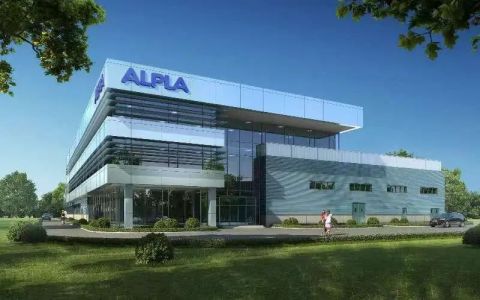
Sustainable Affordable Packaging that everyone can access
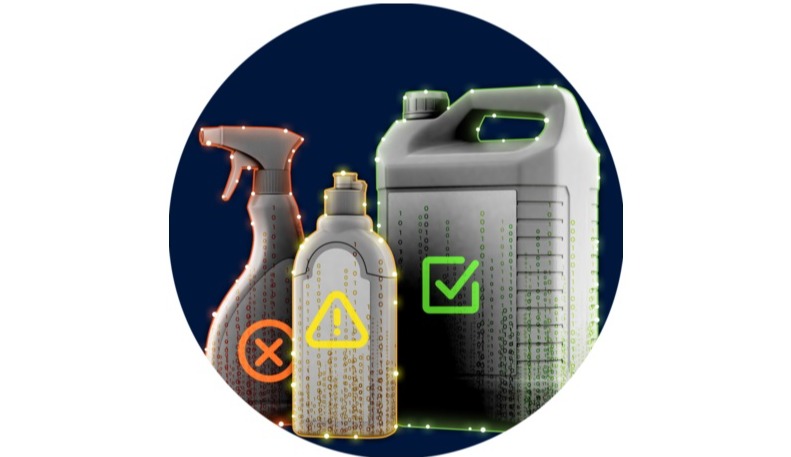
“Sustainability is deeply rooted in the company’s DNA,” Steinhaeusler said. The ALPLA Group follows the 4R principles—Reduce, Reuse, Recycling, and Replace—to create Sustainable, Safe and Affordable Packaging that everyone can access. The group balances environmental protection, user experience, and production costs through design empowerment and cost-reduction technologies.
Steinhaeusler noted that ALPLA offers a comprehensive range of services globally, encompassing everything from creative design and mold development to customized production. During the creative design phase, the design team focuses not only on the packaging's shape, color, and tactile experience but also on technical feasibility—using digital modeling to accurately verify product specifications and ensure that solutions align with customer design expectations.
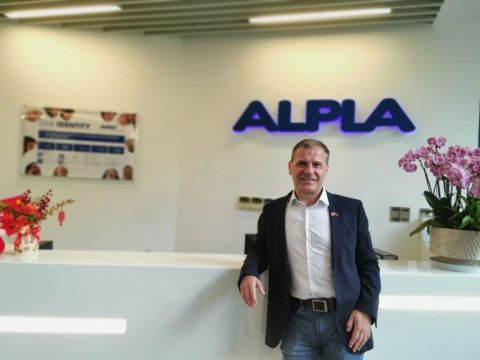
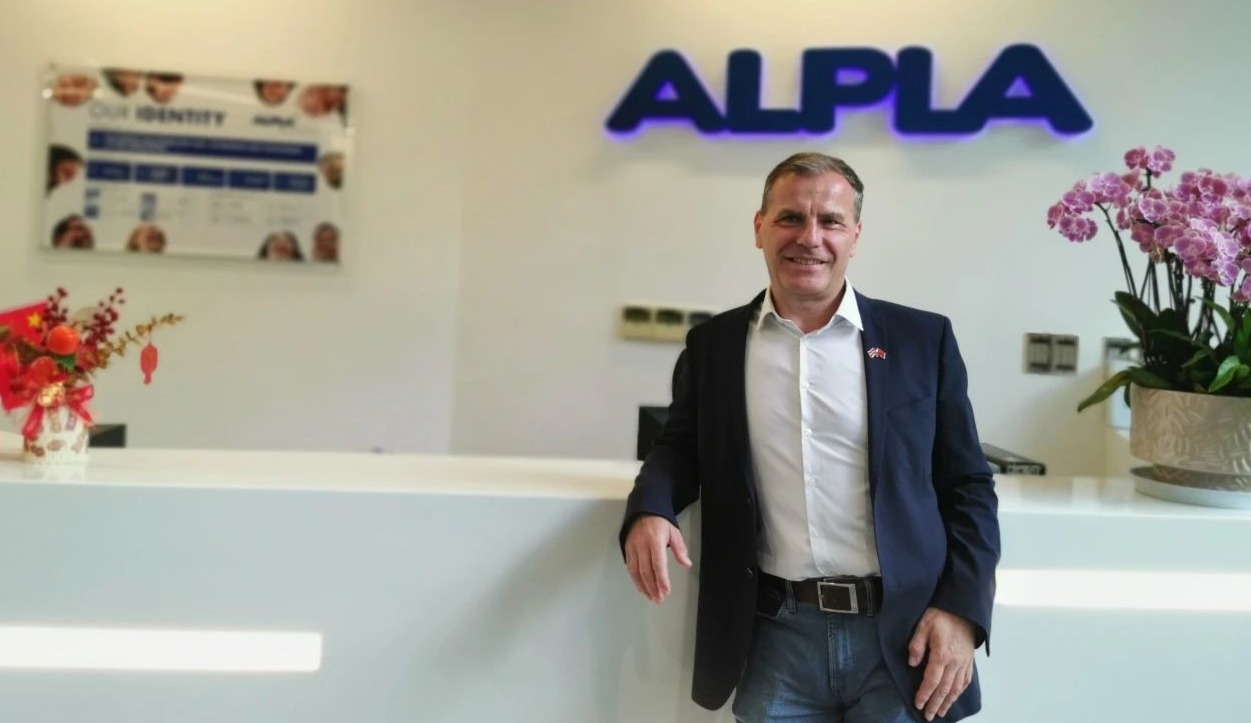
Peter Steinhaeusler, Head of ALPLA China Technology Center.
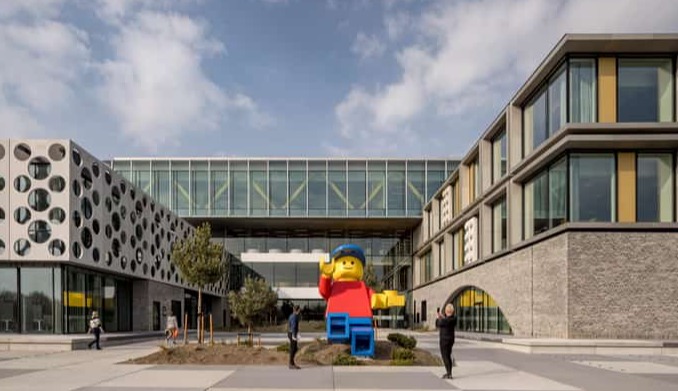
In China, ALPLA leverages its technology center to drive innovations in product design, recyclability, material science, and efficient production processes. By the end of 2023, the group established the STUDIOa design studio to utilize the expertise of the technology center for implementing creative decisions and validating technical feasibility, providing one-stop design services for brands.
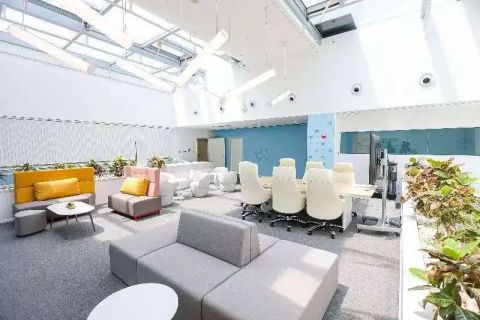
ALPLA’s STUDIOa design studio.
“Our definition of innovation is not limited to what constitutes a new product; it also includes what is practical, scalable, and how to enhance environmental performance,” Steinhaeusler added.
Therefore, ALPLA not only develops molds independently but also collaborates with equipment manufacturers like Husky Technologies to build customized production lines, fully harnessing hardware potential to optimize costs in large-scale production.
One prime example is ALPLA’s ultra-light bottle, manufactured using extrusion blow molding process and weighing 20% less than comparable products on the market. “This allows us to incorporate a higher proportion of post-consumer recycled materials (PCR) into our products while keeping overall packaging costs manageable and avoiding significant price increases associated with PCR usage.”
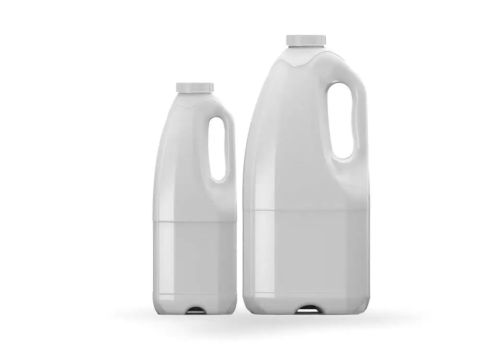
ALPLA’s ultra-light bottle weighs 20% less than comparable products.
Beyond its ultra-lightweight design, ALPLA’s multilayer gradient PET bottle offers more than just reduced material use—it brings a notable upgrade in visual presentation. The multilayer technology is intended primarily to enhance the bottle’s appearance, producing a distinctive gloss and color gradient that sets it apart on shelves. For beauty care brands, this aesthetic refinement can translate into a meaningful competitive advantage. The development draws on advanced technologies co-engineered with global partners in the field, enabling ALPLA to deliver a diverse range of multilayer PET solutions tailored to various client needs.
Notably, ALPLA invests 50 million euros annually in recycling and recyclable design, boasting a global installed and projected recycling output capacity of approximately 300,000 tons of rPET and 100,000 tons of rHDPE. The group has also developed bio-based and recyclable materials, such as HDPE refill bags and cellulose-based packaging, to drive sustainable innovation in packaging.
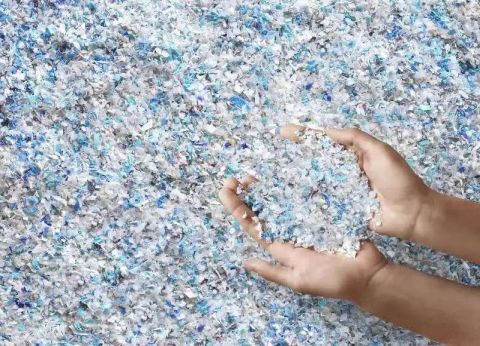
ALPLA invests in upgrading the company’s recycling and recyclable design capability every year.
Focusing on food, personal care, and e-commerce packaging
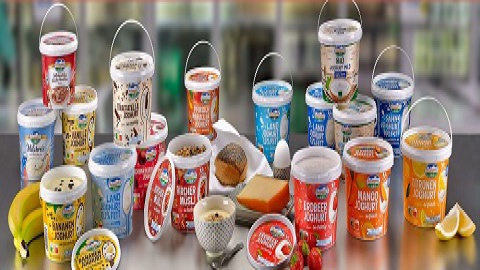
Currently, ALPLA primarily focuses on the design and manufacturing of packaging for food, personal care, and household care products in China. The group provides fresh milk packaging for dairy giants like Yili, Mengniu, and Bright Dairy, high-end nutritional beverage packaging using six-layer co-extrusion technology for Nestlé, and customized packaging for a large number of brand owners.
“We are very optimistic about the fresh milk packaging market in China. Compared to shelf-stable milk with a shelf life of over six months, fresh milk is more popular due to its fresher taste. More and more dairy brands are establishing their presence through major retail chains like Costco, Sam's Club, and Hema Fresh,” Steinhaeusler explained.
He emphasized that fresh milk packaging production requires extremely stringent standards for sterile environments and quality control. ALPLA has decades of experience in fresh milk packaging in Europe, having developed advanced food safety technologies and strict quality management systems. This expertise allows the group to seamlessly integrate these European practices and technologies into the Chinese market, ensuring that local production meets high safety standards.
ALPLA also prioritizes e-commerce packaging as a strategic focus. Steinhaeusler pointed out that China has the world's largest e-commerce market, and the rise of e-commerce has lowered entry barriers for new fast-moving consumer goods (FMCG) brands. Local brands are rapidly emerging and taking shares of established brands. However, regardless of these brands' fluctuations, there remains significant growth potential in consumer spending, especially in second- and third-tier cities. As incomes rise, consumers are increasingly willing to switch from soap to bottled laundry detergent and higher-end shampoos to enhance their quality of life.
To address pain points in e-commerce packaging, such as deformation and leakage, ALPLA is developing efficient solutions that can withstand logistics challenges and reduce excessive packaging.
“Looking ahead, we remain optimistic about the growth of the packaging market in China,” Steinhaeusler concluded.
Increasing investment in China
Steinhaeusler stated that China's packaging market is driven by fast consumption, environmental awareness, and digital integration. In this competitive environment, speed and agility are crucial. ALPLA leverages its localized R&D and manufacturing advantages to respond quickly to customer demands and provide customized packaging solutions.
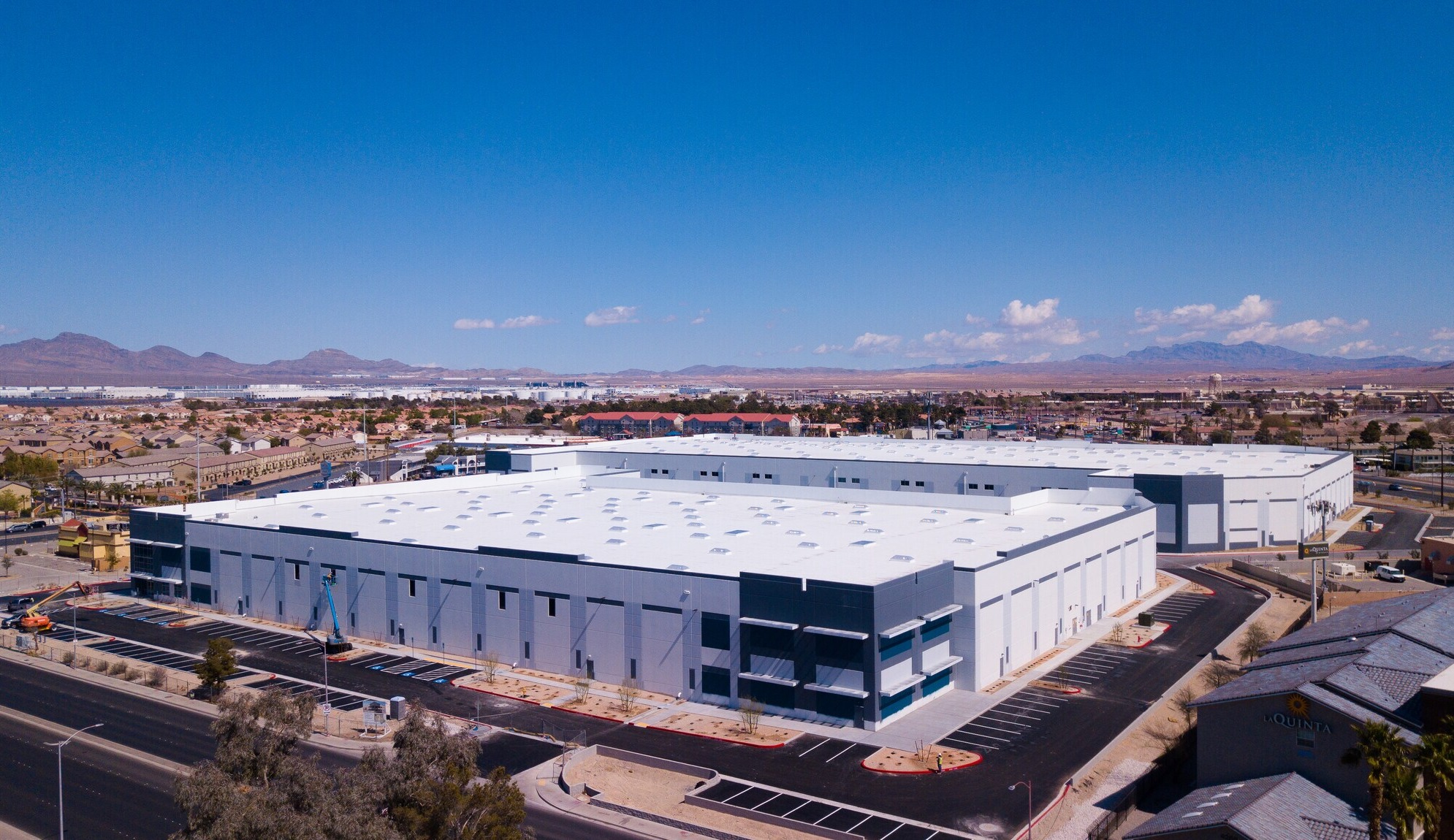
The group strategically established its seven factories in China close to key customers such as Procter & Gamble, Blue Moon, and Unilever, creating regional synergies. Taicang serves as an important hub, encompassing various processes including injection molding, extrusion blow molding (EBM), and injection stretch blow molding (ISBM). The Hefei factory, located near Unilever, is the largest among all the factories.
The core blow-molding equipment in these factories is developed in-house and manufactured exclusively by partners, creating a globally standardized platform that supports rapid mold deployment worldwide.
In addition, ALPLA has obtained official licenses across all six of its local facilities in China to process recycled materials such as rHDPE and rPET—approvals that remain out of reach for some competitors. While the company does not yet produce these recycled resins in-house, it has signaled that such a move may be considered in the future as demand for sustainable packaging continues to grow.
In terms of talent development, ALPLA has established a vocational education program in collaboration with ENGEL and local schools in Taicang (initiated in 2013) to train CNC technicians, plastics specialists, and other in-demand operators, addressing the talent shortage in plastic packaging processing.
Additionally, the group extensively employs digital simulation technology to optimize product development processes, ensuring that designs meet the requirements for filling lines and logistics.
Conclusion
ALPLA’s deep engagement in the Chinese market goes beyond mere numerical growth. It illustrates how a global leader can transform the concept of “sustainable packaging” from a simple slogan into an affordable and actionable practice.
In China—where immense consumer potential meets significant environmental challenges—ALPLA’s core strategy emphasizes integrating global experience with local innovation, balancing environmental ideals with business realities, and leveraging cutting-edge technology for large-scale production.
The path ALPLA pursues to achieve both environmental sustainability and economic efficiency not only enhances its core competitiveness but also outlines a clear transformation path for the packaging industry, demonstrating that sustainability and economic viability can indeed coexist.