









BASF to present progress in sustainability of plastics at K 2025

Visitors at K 2025 can expect to see BASF’s innovative applications and real progress in circularity across various businesses and industries.
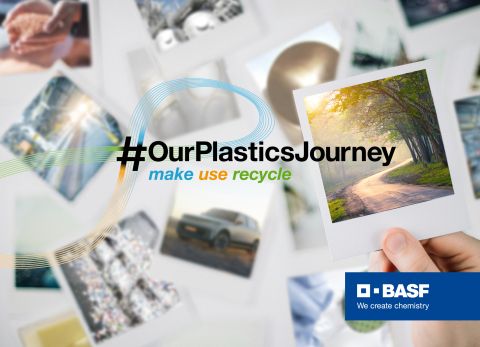
At this year’s K Fair, BASF continues to demonstrate its commitment to sustainability and innovation through the global campaign, #OurPlasticsJourney.
Toward a lower carbon footprint
At the last edition of K Fair, BASF introduced its LowPCF and ZeroPCF portfolios as solutions to reduce the Product Carbon Footprint (PCF) by a minimum of 30%, through the use of renewable electricity, low-emission steam and renewable raw materials, in a mass balance approach.
Building on this, BASF has now launched a reduced PCF product range, rPCF, aimed at PCF improvements using renewable electricity and steam alongside the production process. The offering is now available in BASF's Engineering Plastics and Thermoplastic Polyurethanes sustainability toolbox.
With rPCF, customers can flexibility to customize their products’ carbon footprint by opting for renewable energies in BASF’s production process.
In addition, BASF offers the PACIFIC app that provides standardization and interoperability in PCF data exchanges of plastic materials. The app is seeing growing adoption across stakeholders in the value chain.
Make becomes circular
At K 2025, BASF will showcase products for which fossil resources are replaced with renewable feedstock at the beginning of the production process using the Biomass Balance approach.
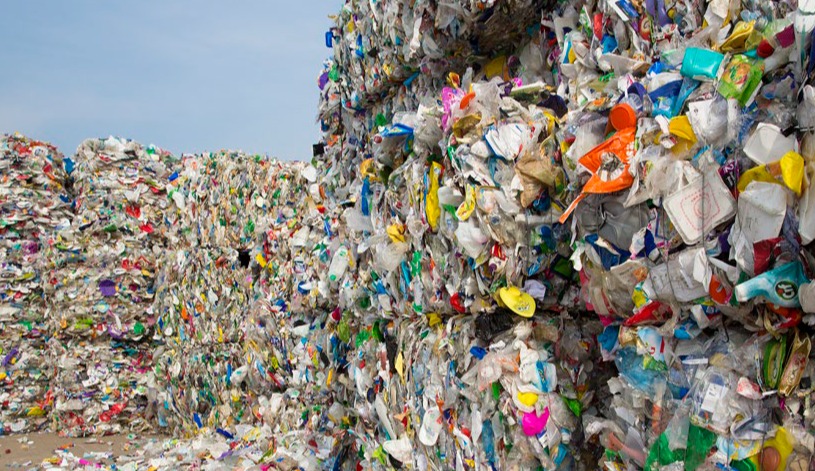
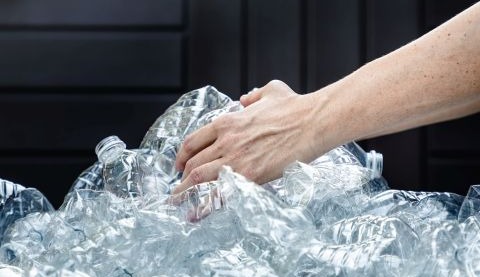
Additionally, BASF replaces fossil resources with feedstock from the chemical recycling of plastic waste in a mass balance approach for its Ccycled portfolio.
Recycle is the new Make
As a leader in the polyurethanes (PU) business for more than 60 years, BASF is committed to demonstrating PU’s versatility and recyclability.
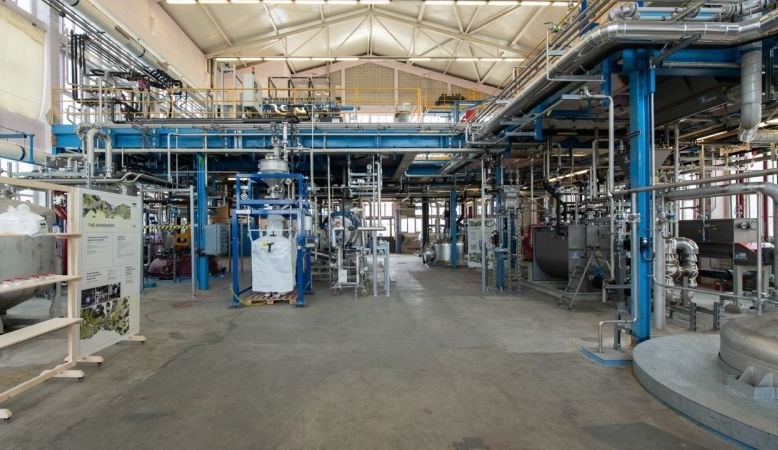
In collaboration with KraussMaffei, Rampf and Liebherr, BASF is developing an efficient chemical recycling process to return polyurethane to the same material cycle.
In a stable, continuous industrial depolymerization process, recycled polyols are produced, which can be used to manufacture new PU rigid foams as insulation material in refrigerators.
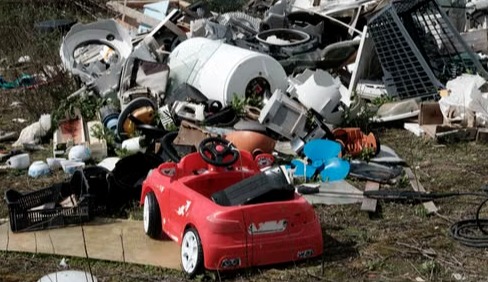
By using post-consumer waste from end-of-life refrigerators as feedstock, the consumption of fossil resources can be significantly reduced.