








AIMPLAS project focuses on recycled plastics for food contact applications

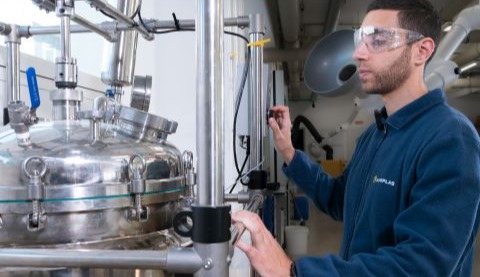
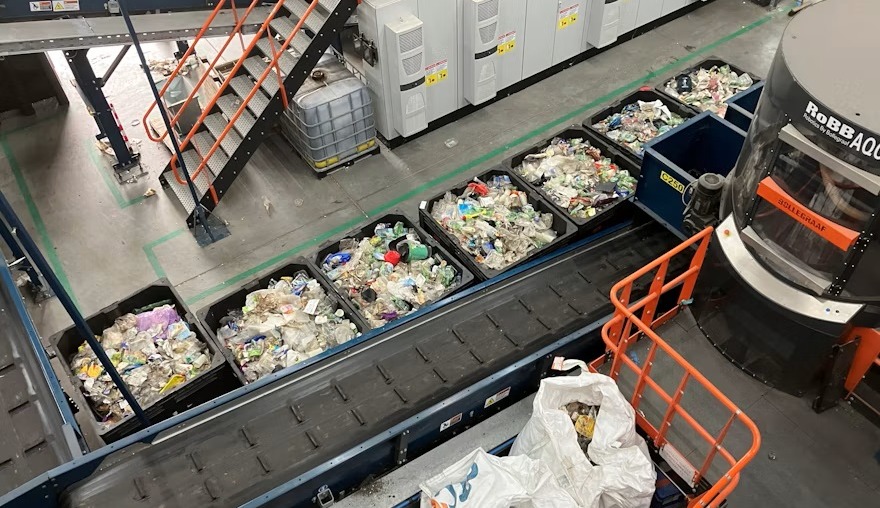
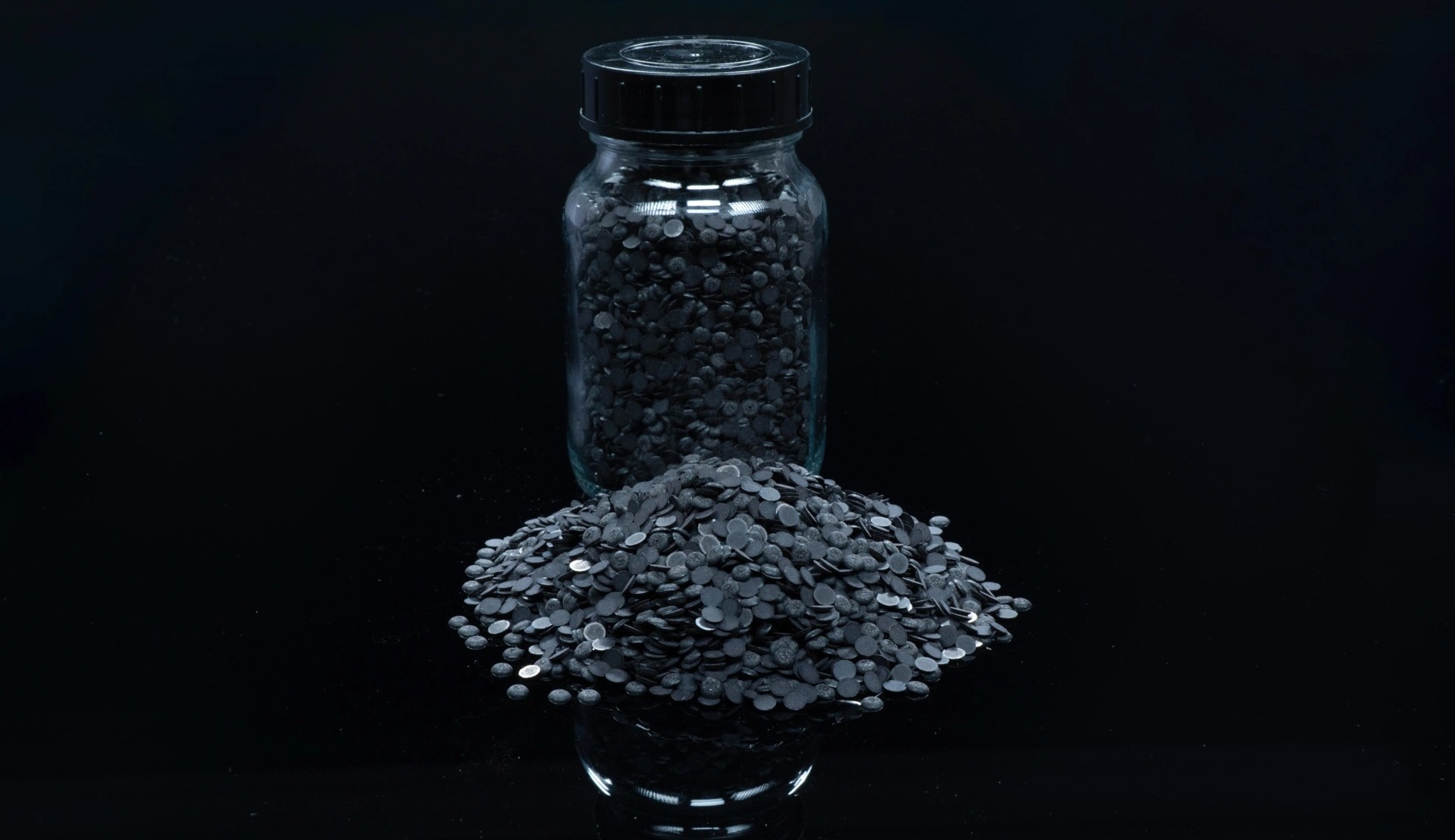
AIMPLAS, the Plastics Technology Centre, is leading an innovative research project – DECONWASTE – focused on improving the recycling of plastic packaging and enabling its safe reuse in food contact applications.
The project aims to research and develop new methods for cleaning and decontaminating recycled plastics, specifically polyolefins, which a type of material widely used in packaging.
Unlike other materials such as PET, recycling polyolefins presents significant technical challenges. “Their wide range of uses, the presence of multiple additives, and their chemical behaviour make decontamination processes more complex and require specialized technologies,” explained Adrián Morales, lead researcher in Mechanical Recycling at AIMPLAS.
Additionally, the inability to easily distinguish between food and non-food packaging during recycling, or to trace the food-related origin of recycled packaging, complicates subsequent processing stages.
To achieve this, DECONWASTE will explore advanced decontamination techniques capable of transforming post-consumer waste into safe recycled materials, following the guidelines of the European Food Safety Authority (EFSA).
Morales added that the initiative aims “not only to comply with European regulations and directives but also to ensure consumer protection and trust in packaged food products”.
The project involves collaboration with ACTECO, SPBERNER, and PICDA—companies committed to innovation and sustainability that are actively participating in validating the developed technologies. Additionally, DECONWASTE aligns with the Sustainable Development Goals (SDGs), specifically goals 8, 9, and 12.
The project is funded by the Valencian Institute for Competitiveness and Innovation (IVACE+i) through the 2024 call for Strategic Cooperation Projects, and by the European Regional Development Fund (ERDF).
AIMPLAS highlighted that “this research will allow companies to overcome one of the main bottlenecks in polyolefin recycling, enabling the use of materials previously discarded in the manufacture of new packaging or other products intended for direct food contact”.