




















Brand giants mislead public about plastic packaging recycling, says Greenpeace USA

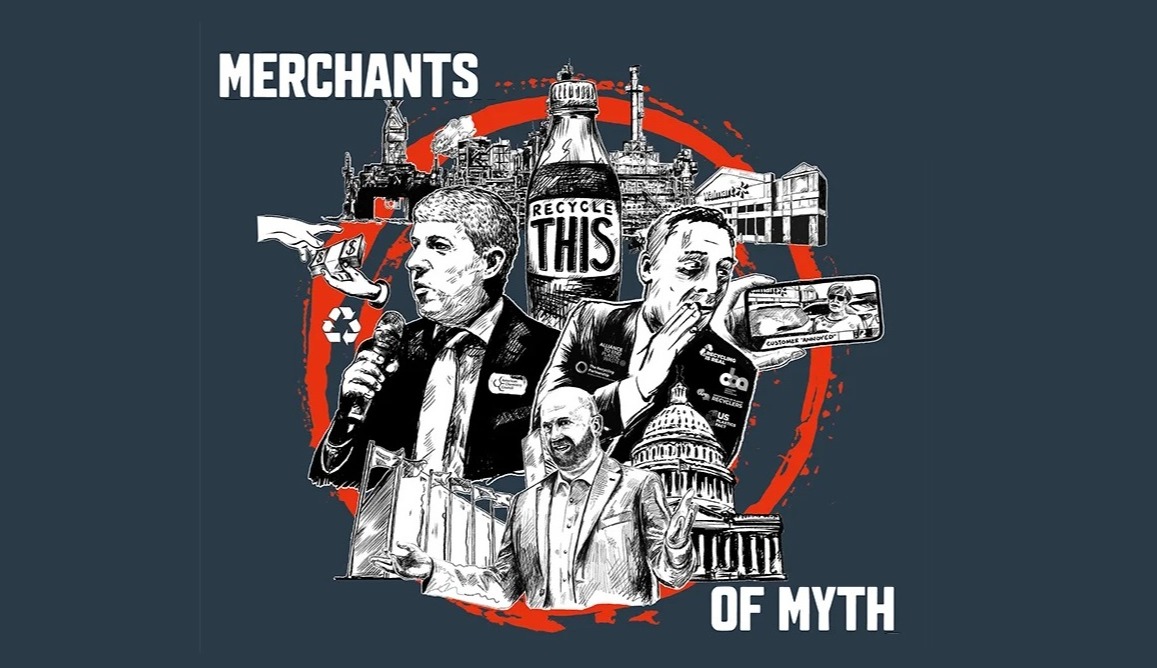
“Plastics Merchants of Myth: Circular Claims Fall Flat” – a new report from Greenpeace USA – reveals plastic recycling has largely failed after decades of being touted by corporations as a solution to the pollution crisis.

Greenpeace USA published a new report on the ineffectiveness of plastic recycling and greenwashing campaign ran by brand giants.
Ineffective recycling: Only very little are actually recyclable
The report uncovered that only a fifth of the 8.8 million tons of the most commonly produced types of plastics — found in items like bottles, jugs, food containers, and caps — are actually recyclable.
Moreover, plastic recycling rates in the US have been cut in half since 2014, from 9.5% to roughly 5-6% today. The report concludes that plastic recycling is no more of a viable solution now than it was in the 1950s.
The report also pointed out several key findings on the ineffectiveness of plastic recycling, including:
Recycling access gaps: Up to 43% percent of U.S. households lack access to basic recycling services. Participation in recycling is also decreasing.
Infrastructure limits: Of the 380 municipal recycling facilities nationwide, only 46 are capable of processing common consumer plastics.
Technological limits: Only 1 of 6 “advanced recycling” plants can handle mixed post-consumer waste — and even at full capacity, these facilities cannot meet the 60% recycling rate required by law.
Cost to taxpayers: The public has to pay to collect and sort plastics, while most of it ends up in the landfill with the rest of the trash.
Brand giants quietly retracting sustainability commitments and greenwash
Researchers from Greenpeace USA also uncovered the effort by the plastic industry, retailers, prominent plastic-reliant brands, and related trade associations — the so-called “Merchants of Myth” — to mislead the public, protect their profits, and delay regulatory action.
Major brands like Coca-Cola, Unilever, and Nestlé have been quietly retracting sustainability commitments while continuing to rely on single-use plastic packaging.
On top of this, the US plastic industry is undermining meaningful plastic regulation by making false claims about the recyclability of their products to avoid bans and reduce public backlash.
“These corporations and their partners continue to sell the public a comforting lie to hide the hard truth: that we simply have to stop producing so much plastic. Instead of investing in real solutions, they’ve poured billions into public relations campaigns that keep us hooked on single-use plastic while our communities, oceans, and bodies pay the price,” said John Hocevar, Greenpeace USA oceans campaigner director.