




WorldStar 2026 Global Packaging Awards: Five trends revealed

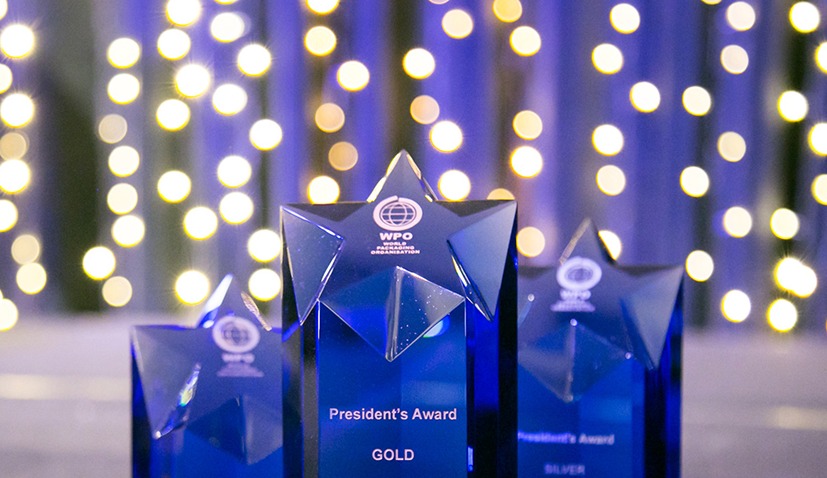
Every year, World Packaging Organisation (WPO) organizes WorldStar awards for packaging around the world, illustrating the continual advancement in packaging design and technology.
This year’s winners have revealed five major trends in plastic packaging. Let’s take a look!
Trend 1: Mono-material food packaging
Mono-material food packaging can be a solution for recycling challenge in multi-layer composite packaging. In this year’s winners, mono-material is used in different packaging style, including flexible packaging, pouches, and lids, to promote packaging recycling.
Amprima Recycle-ready Packaging For Shredded Cheese
Company: Amcor
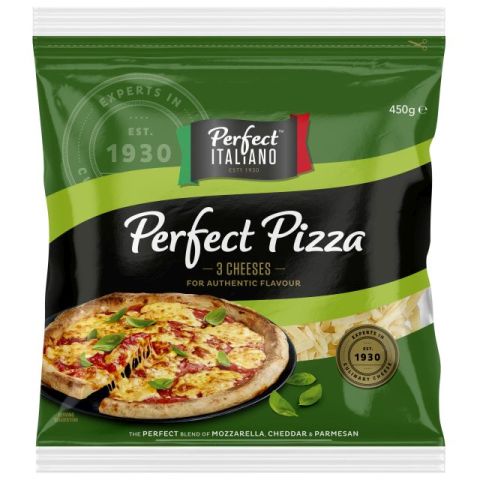
AmPrima mono-material flexible packaging offers functional performance of complex structures, including oxygen and moisture barrier, seal integrity, heat resistance, clarity, and stiffness, using predominantly polyethylene layers.
As it is mono-material, the packaging is recyclable and is compatible with both mechanical and advanced recycling streams. Developed with future material circularity in mind, AmPrima’s structure is also suitable for inclusion of recycled polyethylene, supporting long-term reductions in virgin resin use.
Click In Sealing Lid
Company: Greiner Packaging
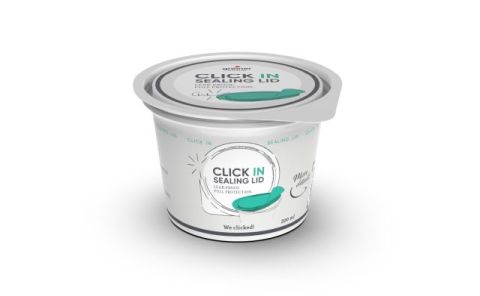
This mono-material lid combines sealing foil and snap-on lid with a single component which improves functionality, sustainability, and recyclability. When the cup and lid are made of the same material, such as PP, the packaging reduces plastic use and improves recyclability.
The lid can be thermoformed or injection-molded. It also works with both major sealing technologies: thermal sealing and ultrasonic sealing.
Australian Organic Food Co - Mono Material Spout Pouch
Company: Cheer Pack
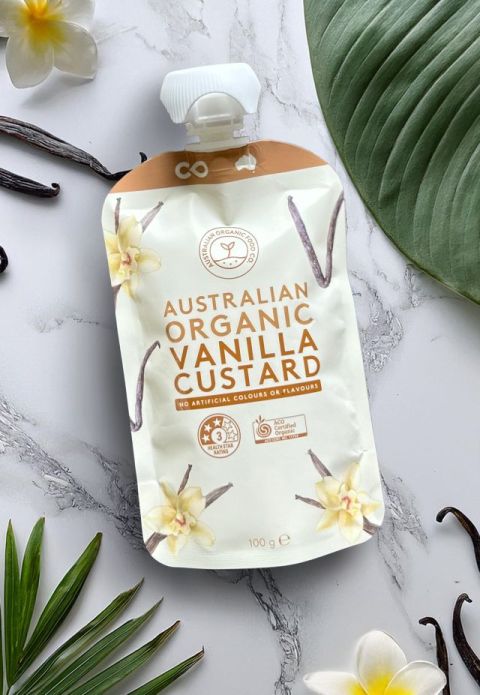
This spout pouch is with mono-material barrier PP film structure to ensure full recyclability. The packaging provides exceptional barrier performance even after it undergoes the retort sterilization process.
To further sustainability, the PP wavy cap uses 20% less plastic compared to the previous packaging, without compromising functionality or accessibility.
Omnilock Max Pe
Company: Huhtamaki
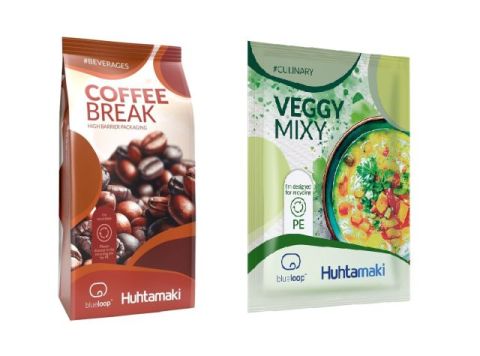
Replacing conventional aluminum foil, OmniLock MAX features mono-material PE structure that delivers maximum barrier protection (MVTR & OTR at 0.05) and allows full recyclability, offering superior performance and enhanced sustainability together.
Stand-up Pouch Monomaterial Reciclável Com Barreira
Company: Camargo Cia de Embalagens
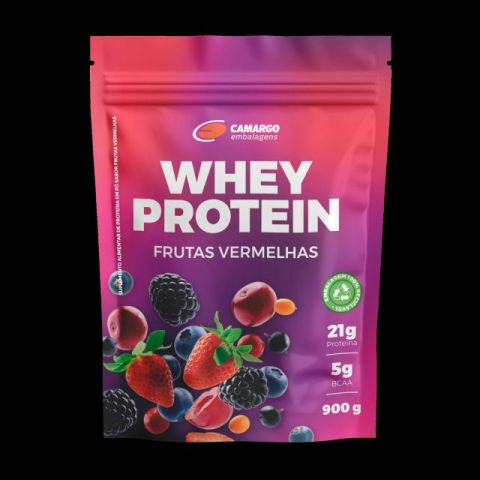
This mono-material stand-up pouch is made of two layers of polyethylene (PE), providing excellent print quality, sealing capacity, and hermetic pouch sealing, as well as full recyclability.
The structure also provides barrier to oxygen and water vapor, making the stand-up pouch ideal for supplement and similar products.
Trend 2: Use of rPET or recycled content
Packaging with recycled content can help achieve closed loop recycling, reduce use of fossil-based raw material, which promote sustainable development. As packaging with food contact have more stringent standard on recycled content, winners in this category are mostly for non-food packaging
1st FIBC Type D Antistatic Bag Made From 100% Recycled Pet (rPET)
Company: Packem Umasree (India)
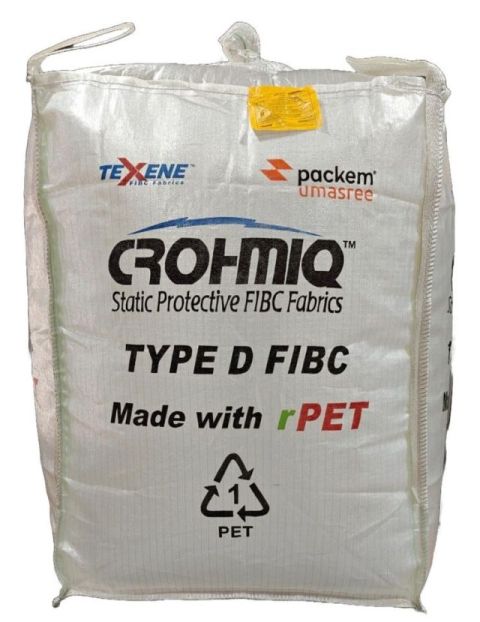
This packaging combines safety and sustainability in one. The bag incorporates Crohmiq dissipative threads designed by Texene and also made entirely from rPET.
These threads safely disperse static charges that build up during filling or discharging. By neutralizing those charges, the bag eliminates the risk of sparks or ignition without the need for grounding. This is critical when handling volatile products like powders, chemicals, pigments or other hazardous cargo that are transported in large volumes worldwide.
Walpack Packaging With Recyclate
Company: Bischof+Klein SE & Co. KG (Germany)
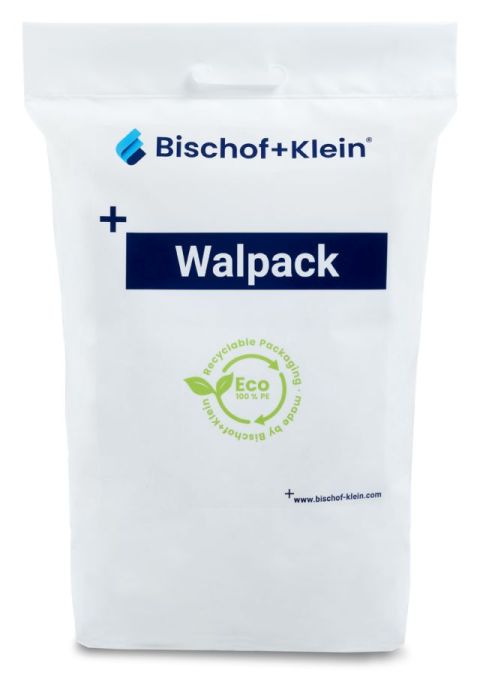
The plastic cross bottom sack is a sustainable alternative to pails. The sealed valve sack was developed to securely transport products in paste form that are at risk of leaking, even with high product weights. This industrial packaging is versatile, ideal for construction, food, or chemicals. Walpack with 35% recyclate is also available.
Trend 3: Additives / Coatings / Printing technology
Plastic packaging is widely used in multiple industries as it brings reliable protection and convenience. However, pollution is resulted when there is ineffective waste management. Biodegradable additives, recyclable coatings and printing technology can bring solutions to plastic pollution.
BioX - Biodegradable Additive & Masterbatch for Packaging
Company: NICHEM SOLUTIONS (India)
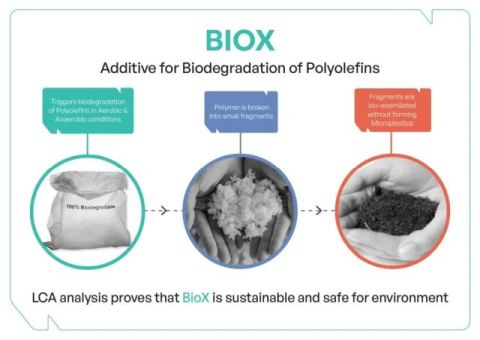
BioX is a biodegradable additive designed for flexible polyolefin packaging. It is added as a masterbatch during packaging manufacturing. BioX effectively degrades the flexible packaging in both aerobic (over the land) and anaerobic (landfill) conditions in 2 years.
IZIBANK fully recyclable protective packaging for bank cards
Company: TAS EVOTEK LLC (Ukraine)
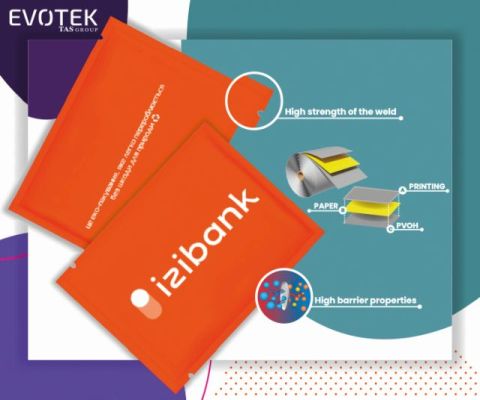
The innovative material EVOPAK RCM is a sustainable solution for packaging based on paper and eco-safe water-soluble polymers. This barrier material is fully recyclable in the paper waste stream (re-pulpable) and has a hermetic heat seal ability with wide sealing temperature range. The printed packaging is fully recyclable within paper waste stream.
Ambrosial “For a Bluer Ocean” yoghurt packaging
Company: Yili Group (China)
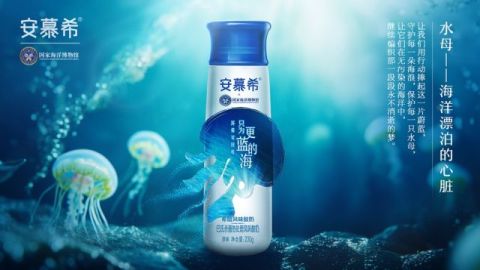
With systematic environmental upgrade, Ambrosial Yoghurt packaging embodies a “design by reduction” philosophy. It utilizes alkali-washable deinking technology on label to prevent contamination of rPET stream, enabling high-quality recycling. Besides that, the label’s base film density has been reduced by 15%, achieving a 15% reduction in plastic use and carbon emissions.
Trend 4: Plastic reduction yet high performance
Plastic reduction in packaging can lower carbon emission. However, this does not mean that performance has to be sacrificed.
Multiflex Bake
Company: LLC RPE "AVENTIN" (Ukraine)
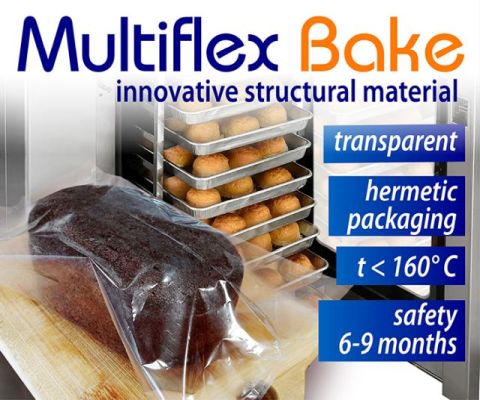
Designed for bakery products in rotary ovens, Multiflex Bake supports long-term product storage requirement, from 6 to 9 months. The packaging material withstands product processing at temperatures up to 160°С.
Advantage - 9um Pallet Wrap
Company: Bunzl Australia and New Zealand
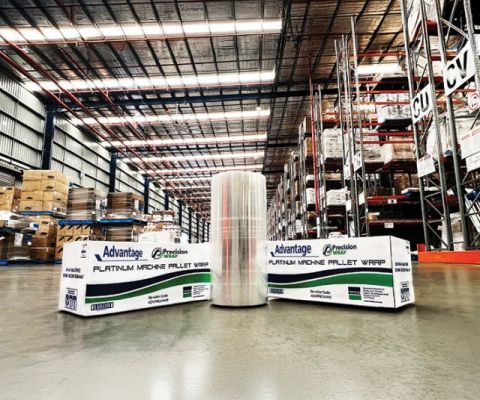
This new Advantage 9 um LLDPE pallet wrap meets industry demand for reduced plastic use while maintaining superior strength and reliability. The wrap has a 385% higher stretch ability compared to alternatives.
The wrap is mono-material LLDPE and is recyclable in approved soft plastics recycling programs.
Zhongrun “Fresh Tray” packaging
Company: Beijing Zhongrun Changjiang Food (China)
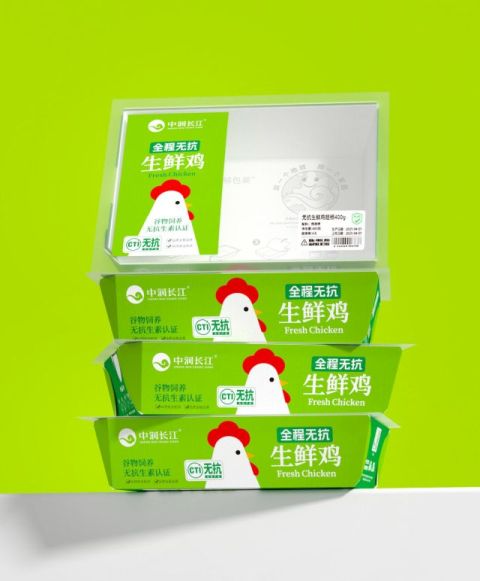
Zhongrun “Fresh Tray” packaging for fresh meat combines paper-based outer shell and high-performance stretch film to replace conventional PP plastic trays. While effectively extending the freshness of meat and ensuring transport safety, it achieves a remarkable 60% reduction in plastic usage and a 30% decrease in carbon emissions
Trend 5: Patented design for plastic reduction
Packaging design not only contributes to aesthetics, but also adds functions to replace conventional parts. This helps reduce use of plastic, achieving sustainability.
ComforLid With Low Carbon Aluminum
Company: Constantia Flexibles (Austria)
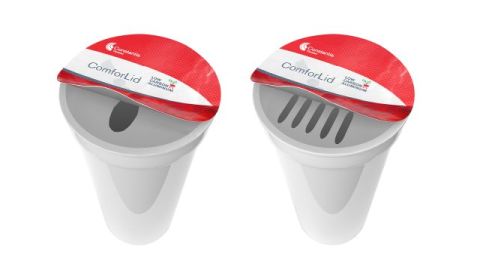
The patented packaging for PP cup replaces traditional conventional snap-on plastic lids and straws, allowing consumers to drink directly from the cup. The lid combines low-carbon aluminum and coextruded PP, which are recyclable. By switching to thinner materials and using aluminum, a CO₂ reduction of up to 43% for the lid can be achieved.
Lucid Infinity
Company: Lucid Corp (Canada)
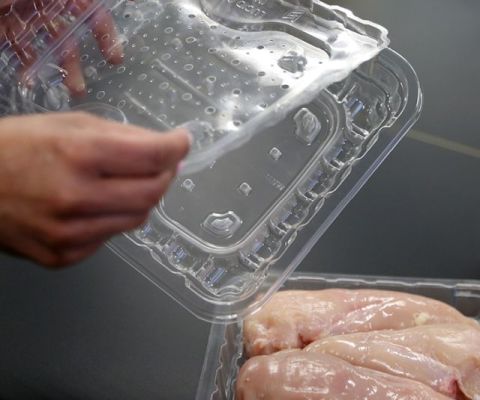
This patented food tray eliminates traditional glued-on soaker pads, meshes, or desiccants for fresh food packaging. The pad-less clear PET tray integrates a smart, structural fluid capture system directly into the packaging design. Engineered channels and contours collect purge securely, preventing leakage and keeping the product dry and fresh-looking.
The mono-material tray is also fully compatible with closed-loop PET recycling.