




















Clariant rice bran wax additives achieve EU approval for food contact plastics

Clariant has achieved the EU Commission approval based on the EFSA (European Food Safety Authority) positive safety assessment for its renewable rice bran wax additives in food-contact plastics.
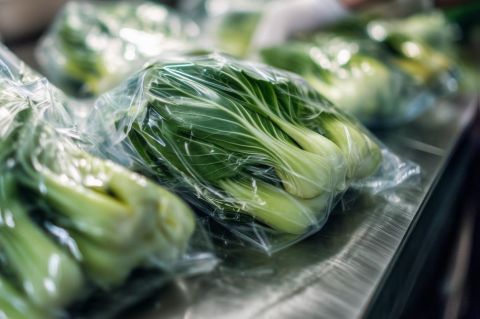
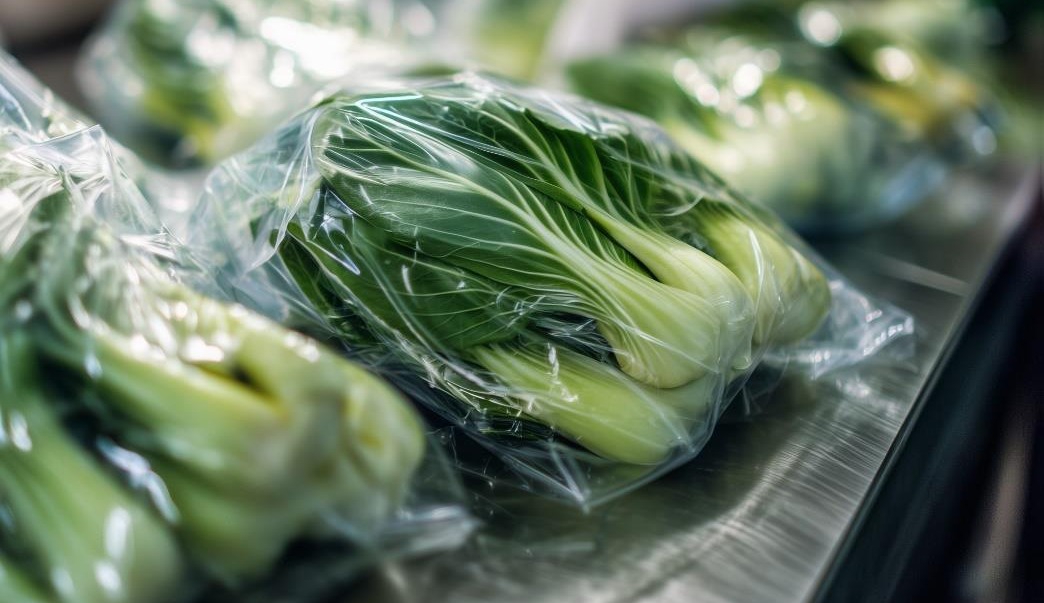
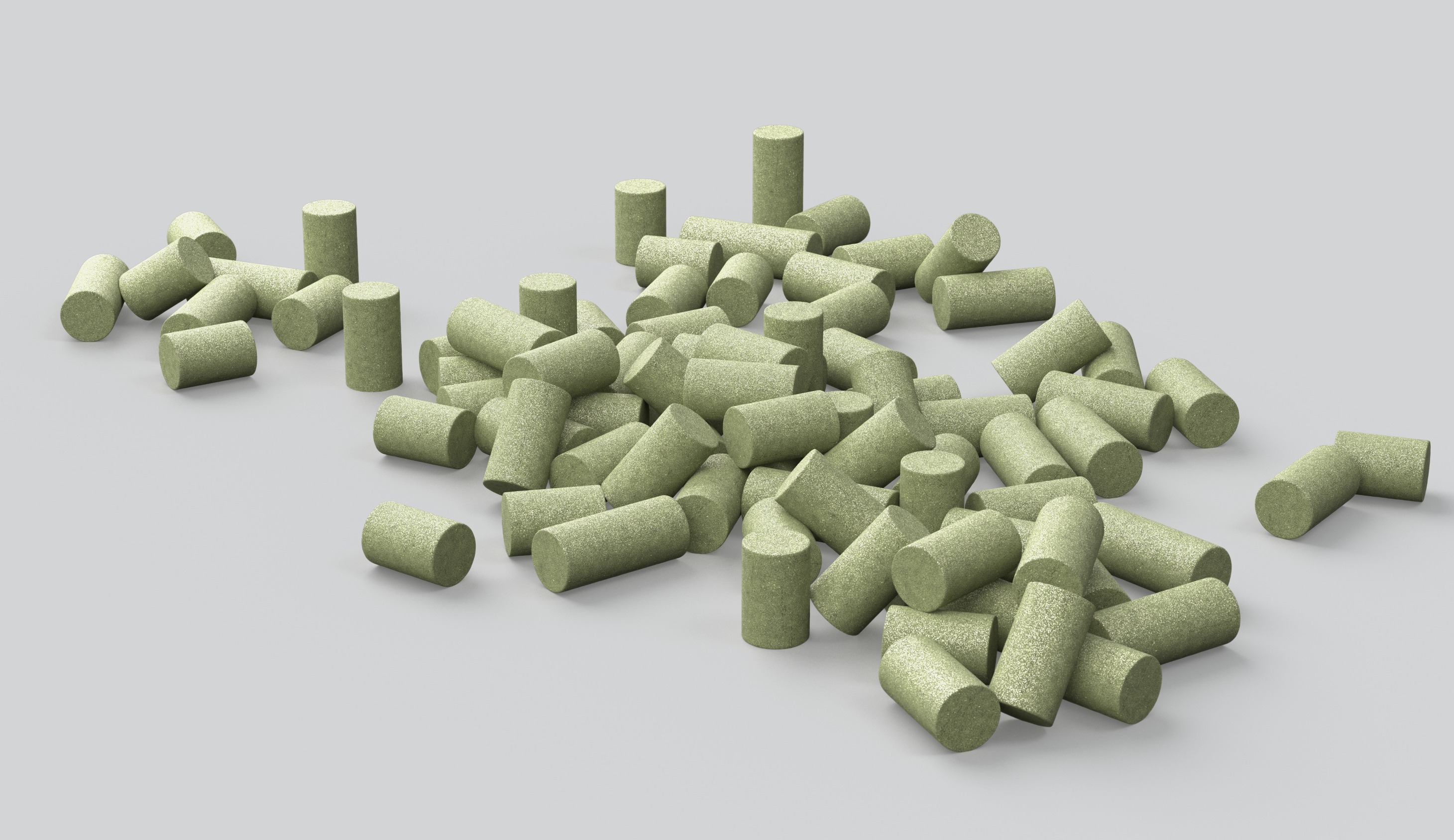
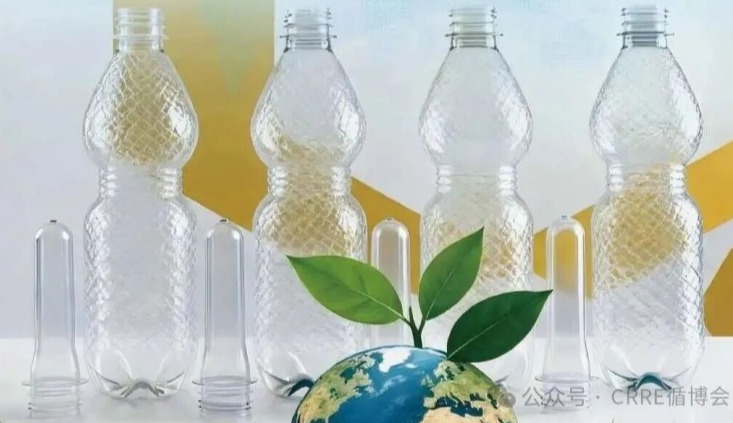
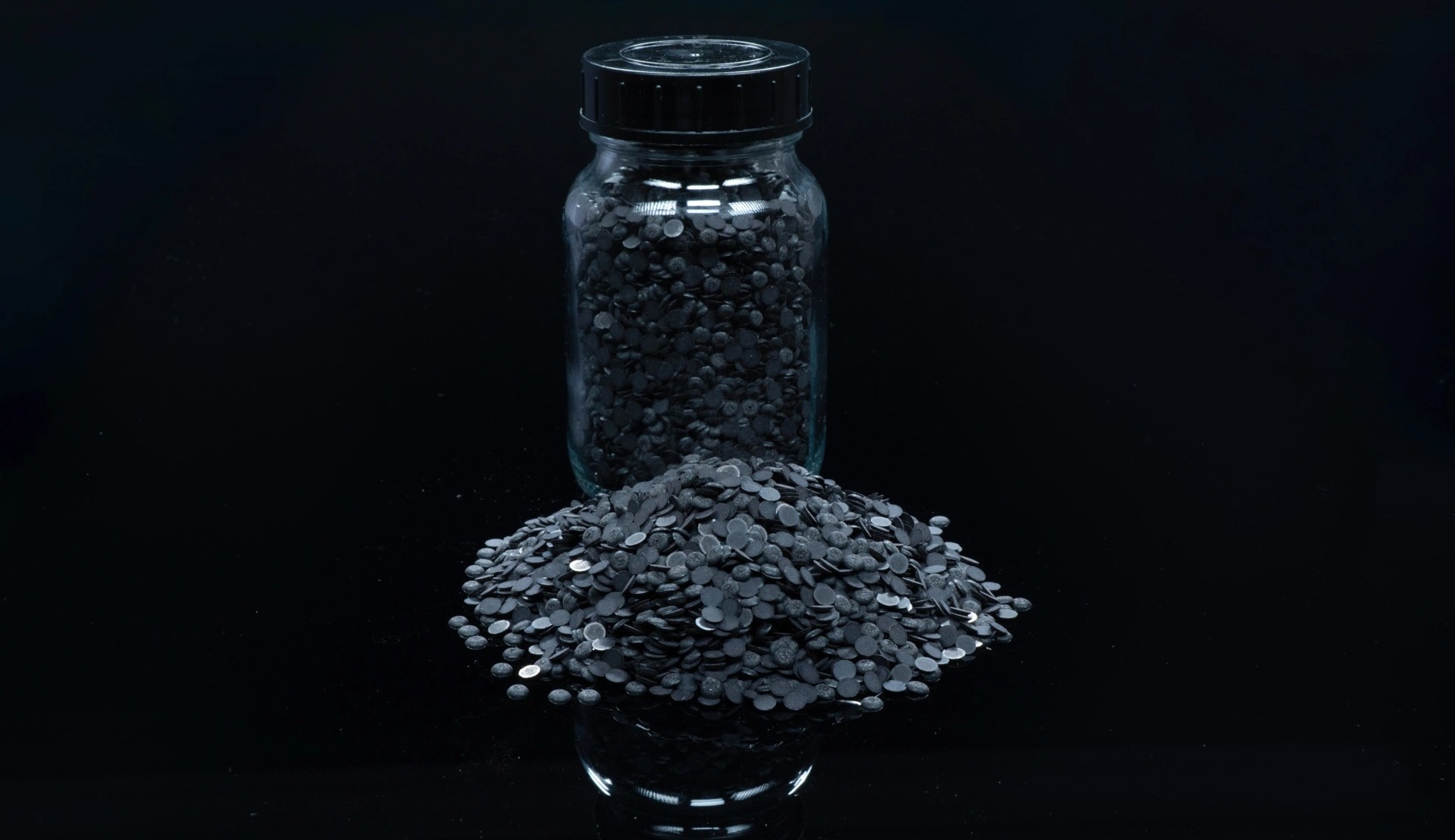
Clariant achieves EU approval for renewable rice bran wax additives in food-contact plastics. (Source: Clariant, AI-generated)
This authorization positions Clariant's Licocare RBW product line as a sustainable and compliant solution for applications intended to come into contact with food across the European plastics industry.
The EU Commission approval covers the Licocare RBW 100-300 series, including Licocare RBW 360 Vita and RBW 560 Vita, authorizing their use as additives at up to 0.3% in polyethylene terephthalate (PET), polylactic acid (PLA), and rigid polyvinyl chloride (PVC) materials and articles intended for contact with non-fatty foods.
The approval encompasses applications at room temperature and below, including hot-fill and heating up to 100°C for up to two hours, addressing a wide range of food packaging needs.
This authorization represents a critical achievement in Clariant's global regulatory strategy for rice bran wax additives. The approval complements existing food contact authorizations from the US FDA and the Japanese food safety authority, providing manufacturers with a comprehensively approved solution for international markets.
More about Licocare RBW Vita additives
Licocare RBW Vita additives offer biodegradability and industrial compostability, supporting end-of-life sustainability goals for packaging materials. The production process avoids the landscape disruption and biodiversity impact associated with lignite mining, while delivering significant Scope 3 emissions reductions for customers.
These rice bran wax additives also deliver the processing benefits manufacturers require, including effective lubrication, mold release, nucleation effects and enhanced dispersion properties for applications ranging from beverage bottles to food containers and protective packaging.