








Polyplastics, Colgate-Palmolive and PTI unveil new technology for lightweight HDPE bottles

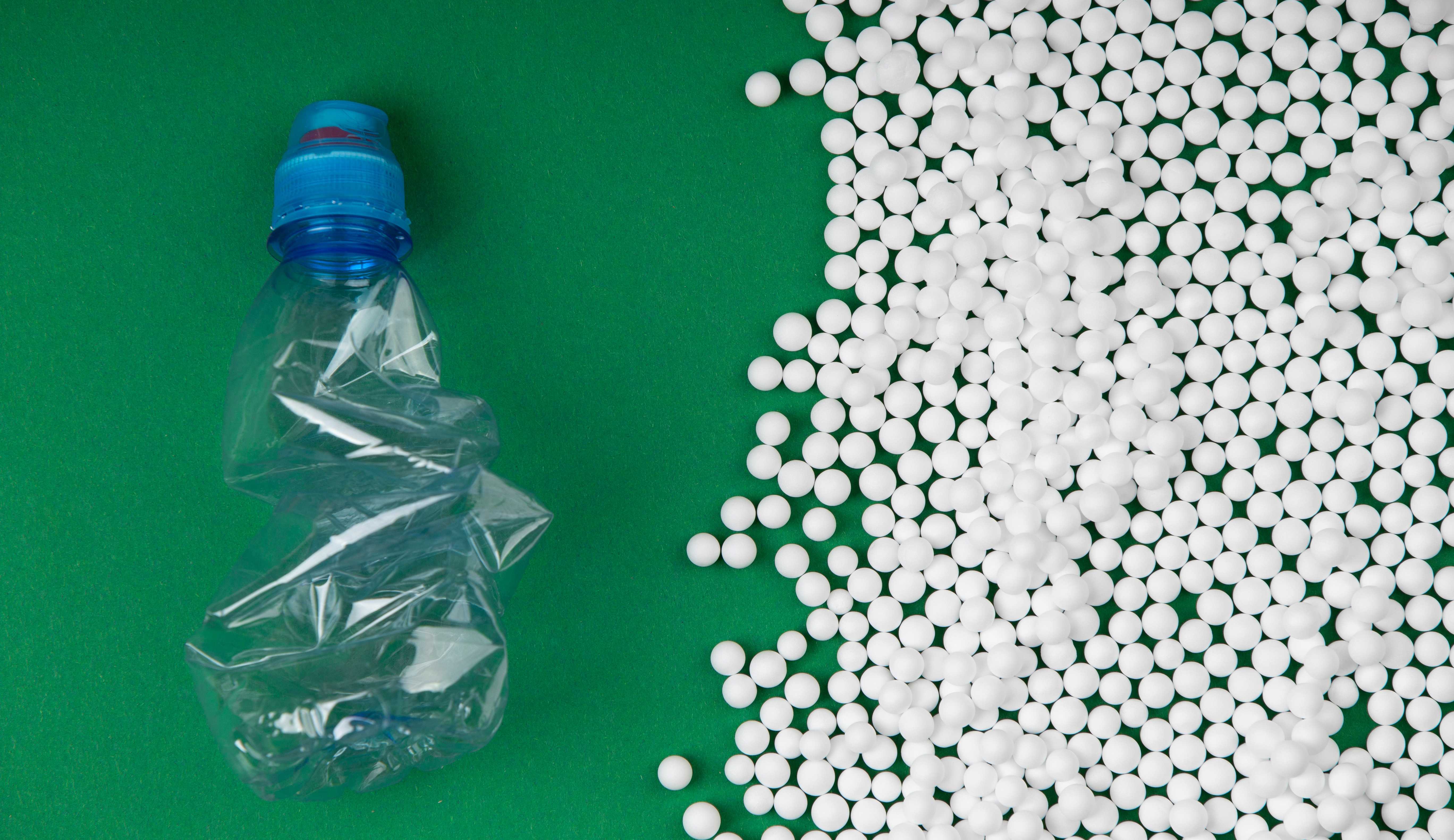
Polyplastics, Colgate-Palmolive and PTI have introduced a new method of making high-density polyethylene (HDPE) bottles at The Packaging Conference in Texas, US.
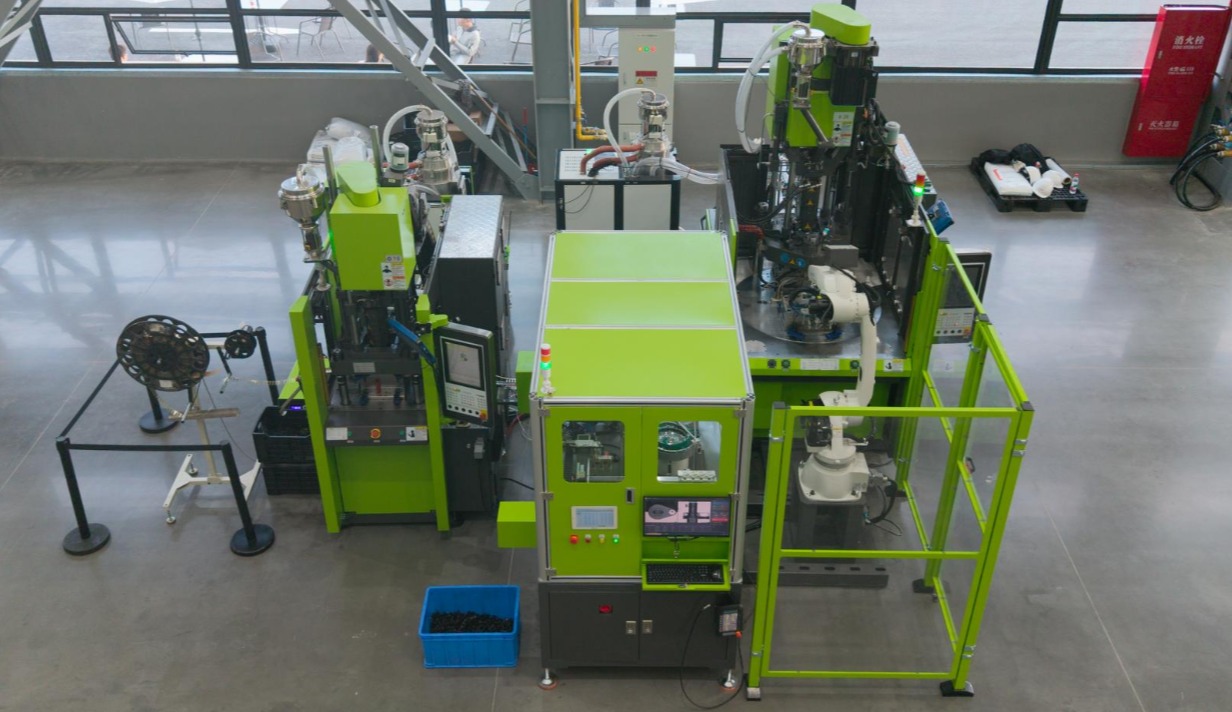
This injection stretch blow molding (ISBM) technique, which is used to make today’s ubiquitous PET water and soft drink bottles, has now been adapted to efficiently create thin, attractive, and hot-fillable HDPE containers.
Today, almost all HDPE bottles are made using extrusion blow molding (EBM). This process has a relatively long cycle time and generally results in excess container weight, for instance at the base.
The new process demonstrates significant weight (>25%) and cycle time reductions, which involves incorporating a second component in the HDPE.
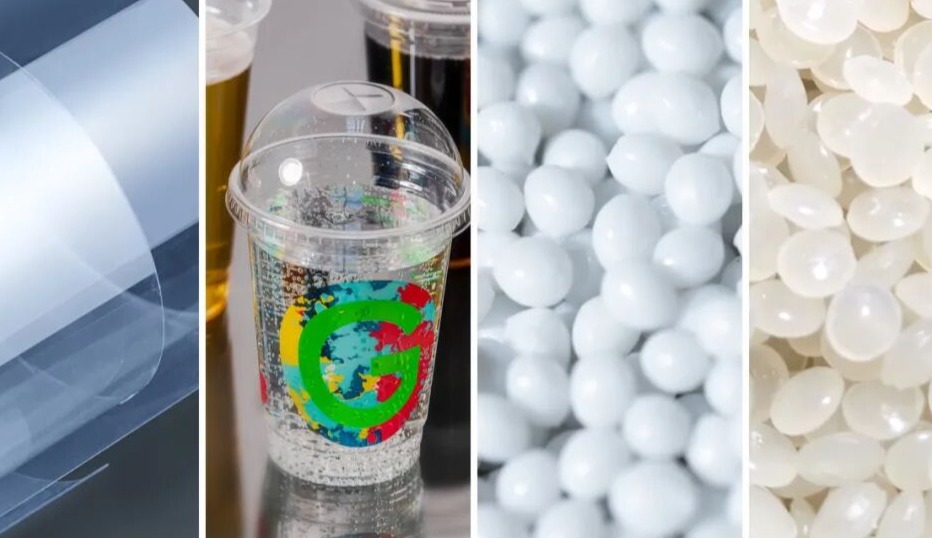
This component, a Polyplastics ethylene copolymer known as TOPAS COC (cyclic olefin copolymer), greatly enlarges the processing window for HDPE, rendering ISBM practical and efficient while delivering a recyclable container.
TOPAS COC is widely used in the packaging industry in combination with polyethylene (PE) for property enhancement, and in medical applications where extremely high purity is required.
Colgate-Palmolive is exploring the use of COC to enable cost-effective, high-performance packaging that meets increasing regulatory requirements for lighter weight. Results to date are encouraging and the company plans to continue moving toward commercialization.
Polyplastics has conducted extensive testing at PTI's development site in Ohio, US, and PTI has confirmed the hot-fill capabilities of the new technology. PTI expects to work with several brands to aid in preparing for commercial launch of ISBM HDPE for cosmetic, food, medical, household, industrial, and general packaging applications.