













Plasticizers Guide 2026: Types, Applications & Sustainable Innovations | CHINAPLAS Insights

Enabling Performance in Modern Plastics
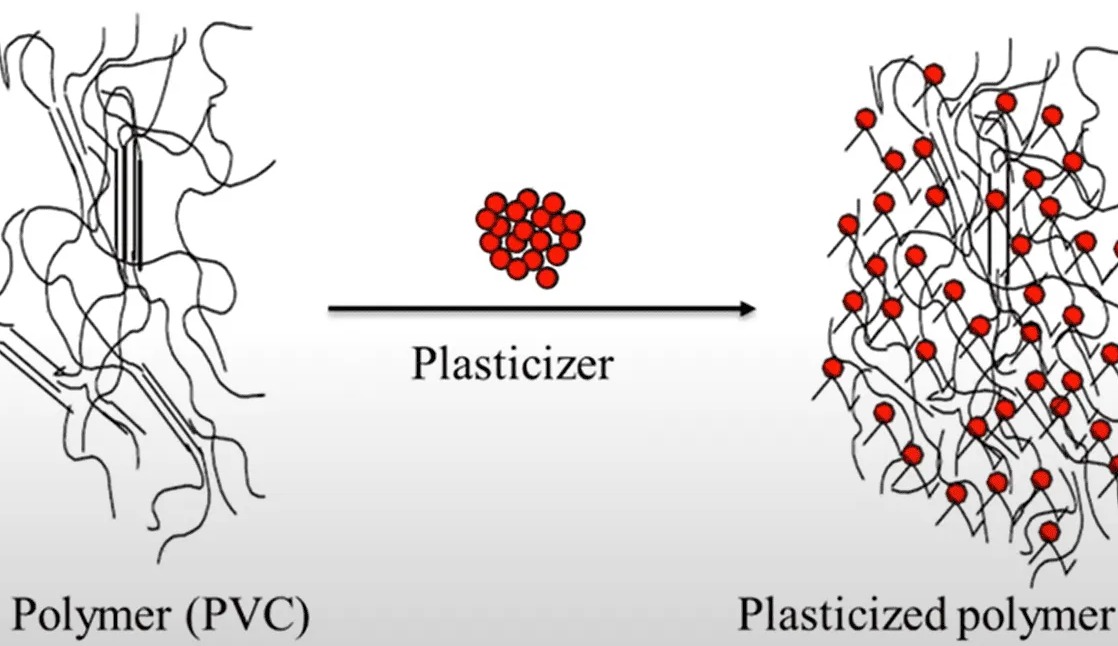
In today’s advanced manufacturing landscape, flexibility, durability, and efficiency are essential. Plasticizers play a critical role in enabling these properties, transforming rigid polymers like PVC into versatile materials used across industries.
As regulations tighten and sustainability becomes a global priority, the plasticizer market is rapidly evolving toward safer, high-performance, and environmentally responsible solutions.
Key Types of Plasticizers
Different applications demand different performance characteristics.
1. Phthalates: From Dominance to Transition
Phthalates have long been the most widely used plasticizers due to their cost-effectiveness and strong performance.
· Low molecular weight phthalates offer excellent processing efficiency but may migrate more easily, raising regulatory concerns in sensitive applications.
· High molecular weight phthalates, such as DINP and DIDP, provide improved durability, lower volatility, and better long-term stability.
Industry shift: While still widely used in construction and automotive materials, phthalates are gradually being supplemented by safer alternatives.
2. Terephthalates: The Preferred Alternative
Terephthalates, especially DOTP (DEHT), have become leading non-phthalate solutions.
· Comparable flexibility and performance
· Lower toxicity concerns
· Broad global regulatory acceptance
Typical applications include medical devices, food packaging, and consumer goods.
Key advantage: A strong balance between safety, performance, and cost makes terephthalates a global standard.
3. Trimellitates: High-Temperature Performance
For demanding environments, trimellitates provide exceptional thermal stability and low volatility.
· Automotive and EV wiring
· Industrial cables
· High-performance electrical systems
With the rapid growth of electrification and advanced electronics, demand for heat-resistant plasticizers continues to rise.
4. Adipates & Sebacates: Cold Flexibility
In low-temperature environments, maintaining flexibility is critical. Adipates and sebacates are designed for this purpose.
· Excellent cold resistance
· Softness and elasticity in freezing conditions
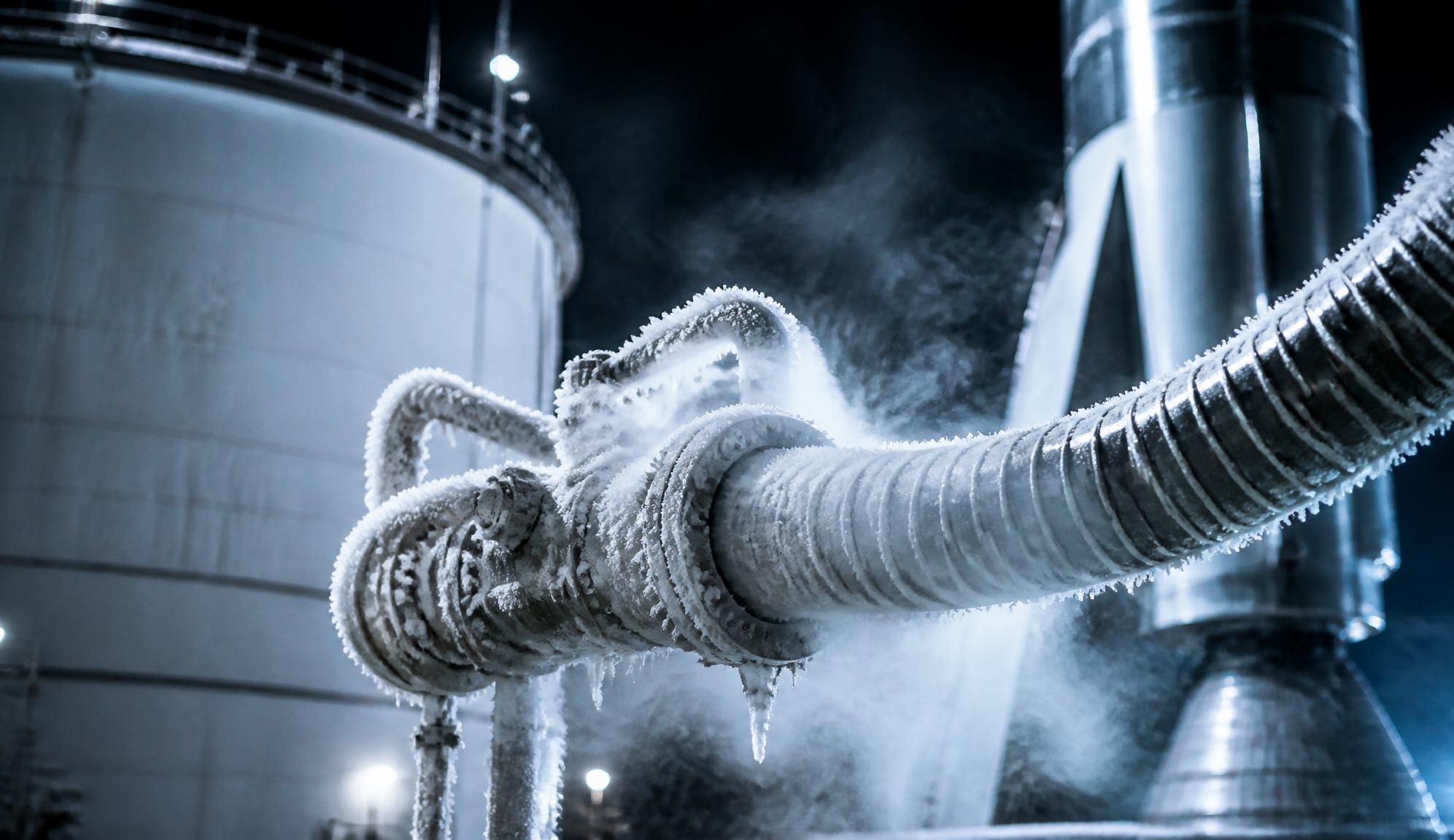
Common uses include refrigeration materials, outdoor cables, and flexible films. These plasticizers ensure consistent performance in extreme climates.
5. Organophosphates: Dual Function Solutions
Organophosphate plasticizers combine flexibility with flame retardancy, making them highly valuable in safety-critical applications.
· Electronics and electrical components
· Construction materials
· Transportation systems
Benefit: Their dual functionality reduces the need for additional additives, simplifying formulations.
6. Bio-Based Plasticizers: Advancing Sustainability
Sustainability is reshaping the plastics industry. Bio-based plasticizers, derived from renewable resources such as vegetable oils and citrates, are gaining traction worldwide.
· Lower environmental impact
· Reduced toxicity
· Compliance with global safety standards
Applications are expanding across medical, packaging, and consumer sectors.
Plasticizers we can provide
| ATBC | DINP | ESBO |
| DBP | DOA | Polyester for Adipic |
| DEHCH | DOP | TEP |
| DIBP | DOS | TUNTM |
| DINA | DOTP | TOTM |
| DINCH | DPHP |
Selecting the Right Plasticizer
Choosing the optimal plasticizer requires balancing multiple factors:
· Performance needs (flexibility, temperature resistance, durability)
· Regulatory requirements (e.g., food contact, medical use)
· Material compatibility
· Sustainability targets
For example:
· Trimellitates for high-temperature applications
· Adipates for cold environments
· Terephthalates or bio-based options for safer consumer products
Strategic selection enhances both product performance and market competitiveness.
Market Trends Driving Innovation
The plasticizer industry is undergoing rapid transformation, driven by global trends:
· Regulatory changes: Increasing restrictions on certain phthalates are accelerating the shift to non-phthalate alternatives.
· Sustainability focus: Demand for low-carbon, bio-based materials is rising.
· Electrification: Growth in EVs and advanced electronics is boosting demand for high-performance plasticizers.
· Circular economy: Recyclability and material safety are becoming key design priorities.
These trends are pushing manufacturers to innovate and adopt next-generation solutions.
Shaping the Future of Flexible Materials
Plasticizers remain essential to modern manufacturing, enabling the flexibility and performance required in today’s applications.
However, the industry is moving beyond traditional solutions. Safer chemistry, sustainable materials, and high-performance formulations define the next generation of plasticizers.
For manufacturers and material suppliers, the path forward is clear:
embrace innovation, meet evolving regulations, and align with global sustainability goals.