







Revolutionizing PLA Production: Shanghai Hawkway’s Continuous Full-Process Innovation Drives Green Transformation

Against the global push for sustainable development and carbon neutrality, bio-based biodegradable materials have become a core direction for the chemical industry’s transformation. Polylactic acid (PLA), a renewable green polymer with superior biodegradability and biocompatibility, is widely used in food packaging, textiles, medical treatment, agriculture and 3D printing, with huge potential to replace petroleum-based plastics.
The key bottleneck for PLA industrialization is the efficient, low-consumption production of high-purity, low-acid-value lactide (the core intermediate). Traditional purification adopts a "distillation + layered crystallization" route, featuring high energy consumption, severe side reactions, and subpar product purity. Conventional stirred tank polymerization reactors also suffer from low operating viscosity, poor mixing, limited pressure resistance and difficult scale-up.
With over a decade of expertise in separation, purification and polymerization, Shanghai Hawkway has launched an integrated continuous full-process technology: continuous reactive distillation for oligomerization/depolymerization + suspension melt crystallization + distillation recovery + high-pressure loop polymerization with high-efficiency devolatilization, achieving a breakthrough in high-purity lactide production.
Technical Highlights
There are two PLA production processes: direct polycondensation (one-step) and ring-opening polymerization (two-step). The two-step method is the mainstream industrial route, as it enables high-molecular-weight PLA with controllable structure; its core lies in low-energy production of high-optical-purity lactide.
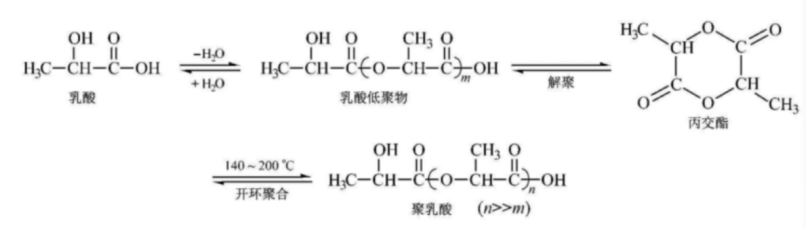
Compared with the traditional "distillation + layered crystallization" process, Hawkway’s suspension melt crystallization and reactive distillation recovery technology cuts energy consumption by ~70% and side reactions by ~75% for lactide purification.
The company’s proprietary high-pressure loop polymerization and devolatilization technology produces PLA with molecular weight ≥300,000 g/mol, and is also applicable to polycaprolactone (PCL), polyglycolic acid (PGA) and other polymers.
• Refined Lactide: Optical purity ≥99.5%; Acid value 1–2 mmol/kg
• High-Purity PLA: Molecular weight ≥300,000 g/mol; Melt flow index ≤2 (190℃, 2.16kg); Residual lactide ≤0.1%; Yellowness index ≤10
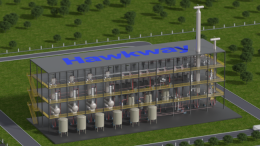
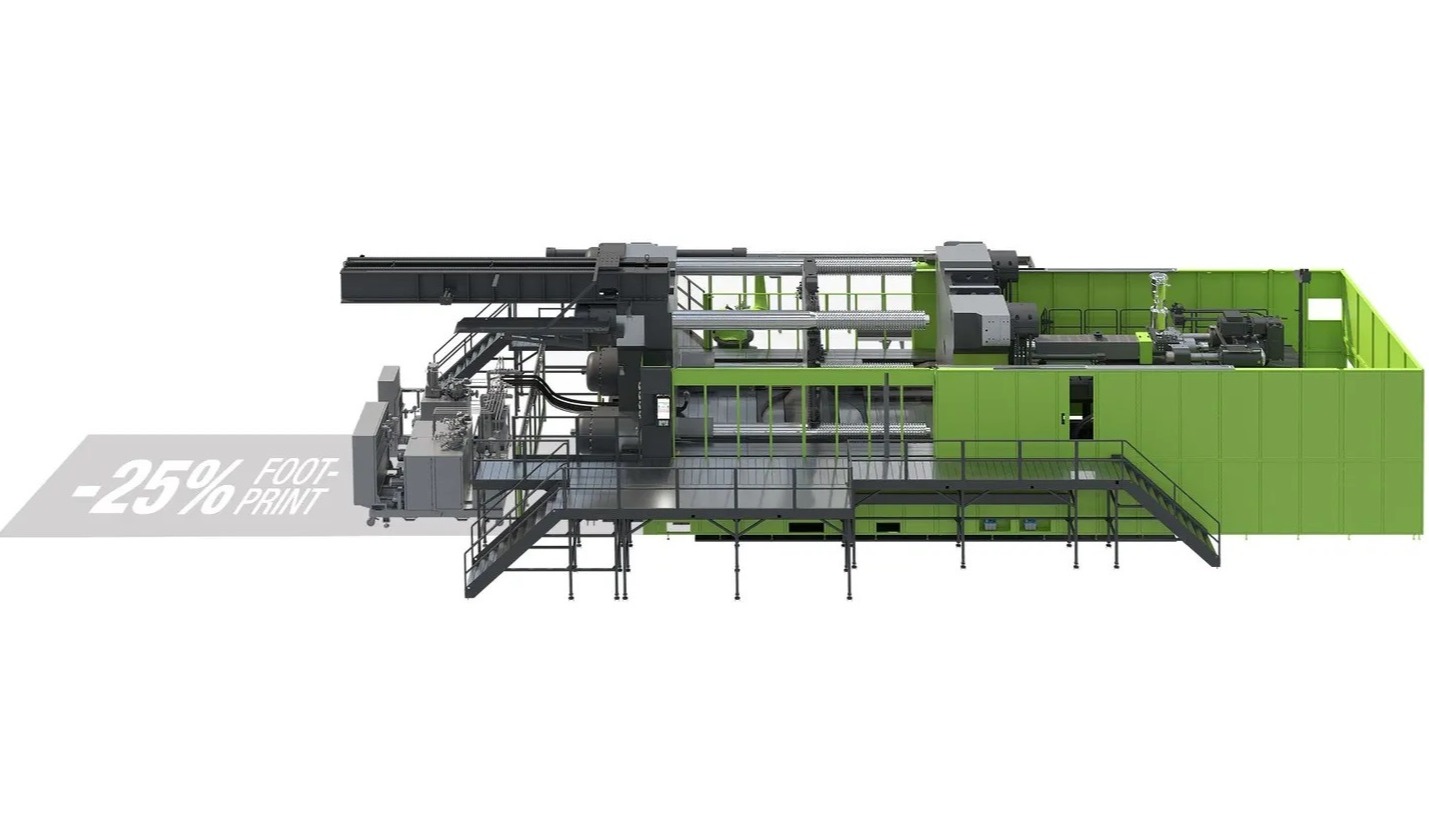
General Layout Diagram of the 30,000-ton Unit
(Including Oligomerization/Depolymerization Unit + Purification and Separation Unit for Propylene Glycolide/Purification Unit for Lactide + High-Pressure Loop Polymerization Reaction and High-Efficiency Rotary Disk Devolatilization Unit)
• Continuous reactive distillation for oligomerization/depolymerization: high conversion rate, low catalyst dosage, short residence time
• Suspension melt crystallization-distillation coupling: optimized separation, low energy use, minimal side reactions, small footprint
• High-pressure loop polymerization: wide viscosity range (1,000–10,000,000 cp), efficient mass/heat transfer, suppressed polymer degradation
• Low unit consumption: ~1.35 tons of pure lactic acid per ton of PLA (30,000 tpa capacity)
Integrated Engineering Capabilities
Shanghai Hawkway delivers full-chain services: R&D pilot testing, process design, core equipment manufacturing and commissioning. The company independently designs and produces structured packing, crystallizers, high-viscosity polymerization systems, and provides turnkey solutions for full-process PLA plants.
Application Cases & Industry Recognition
The company has built multiple large-scale projects, including 30,000–75,000 tpa PLA plants, 10,000 tpa PCL plants, and high-purity chemical production lines, with proven industrial performance.
Corporate Mission & Exhibition Invitation
Shanghai Hawkway is committed to "Ingenious Design, Empowering Green Chemistry", focusing on low-carbon innovation to solve industrial pain points.
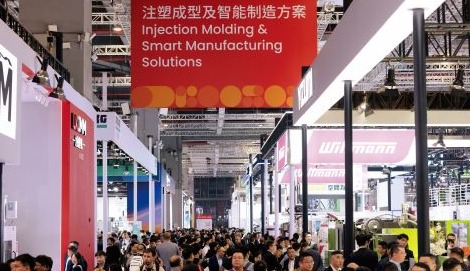
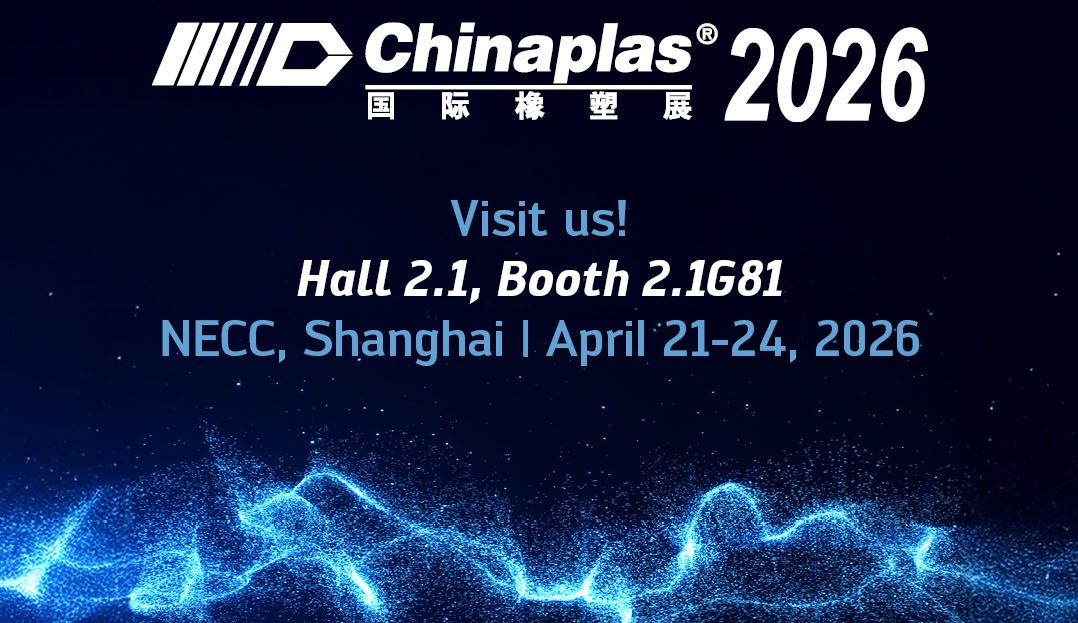
Welcome to visit us at CHINAPLAS 2026 (April 21–24): Booth 2.1C127 (Hall 2.1)
Join hands to build a green chemical future!