











From brewery waste to bio-based packaging: BioSupPack project ready for industry adoption

The EU-funded BioSupPack project has successfully demonstrated that brewery waste can be transformed into high-performance bioplastics for sustainable packaging.
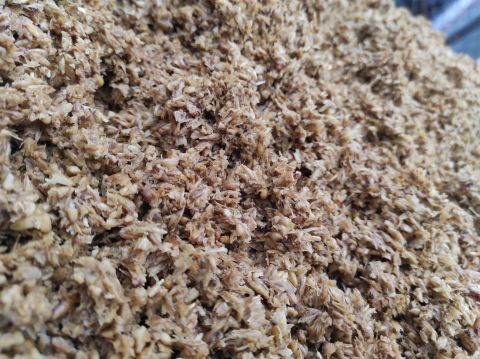
BioSupPack project successfully demonstrated that brewery waste can be transformed into bioplastics for sustainable packaging.
18 partners, coordinated by AIMPLAS, have joined efforts to transform brewery waste into high‑value packaging materials and to enable the recycling of this packaging through cutting‑edge recycling technologies.
Circular innovations tested and ready to be adopted
Over five years, the consortium has developed and validated innovative polyhydroxyalkanoate (PHA and PHB) materials and production processes that offer viable alternatives to fossil-based plastics while supporting compliance with the EU Packaging and Packaging Waste Regulation (PPWR).
The results of the BioSupPack project are now available for industry adoption, offering innovative solutions for biopolymer producers, biorefineries, packaging manufacturers, and brand owners in the food, cosmetics, and consumer goods sectors.
Details on six key innovations
At a demonstrative scale and in real operational, the project has developed and validated 6 key innovations that address critical challenges in the packaging industry.
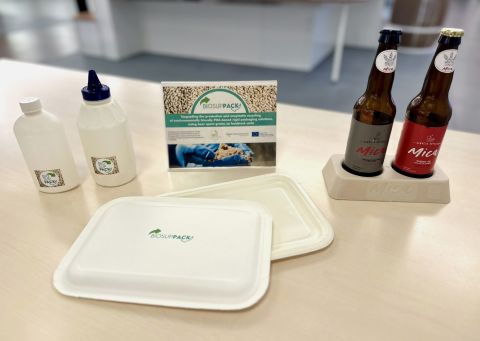
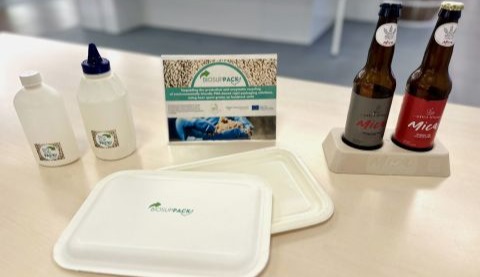
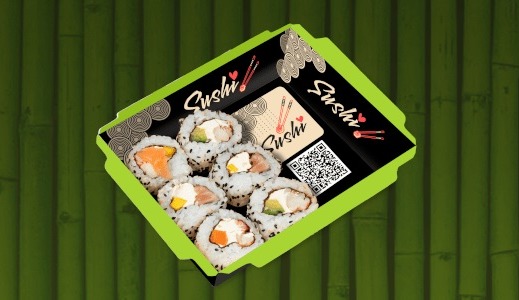
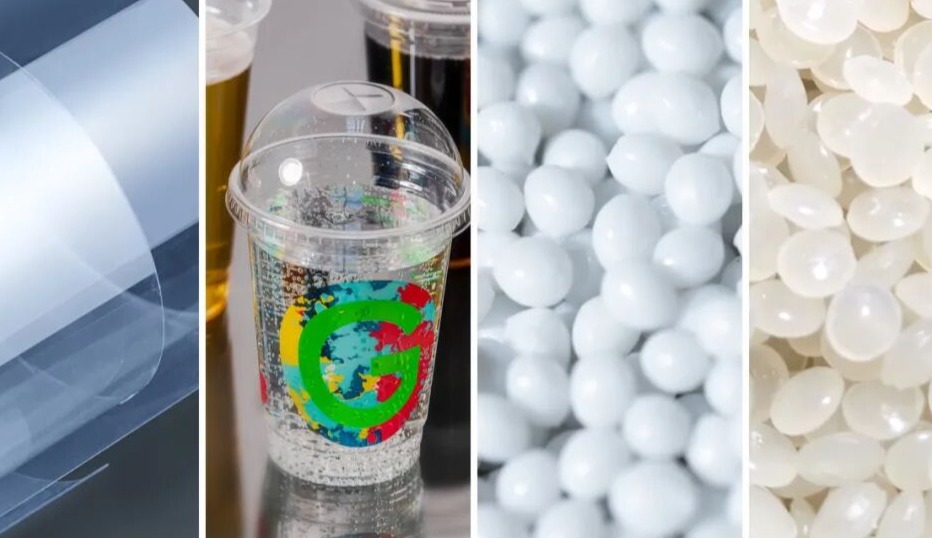
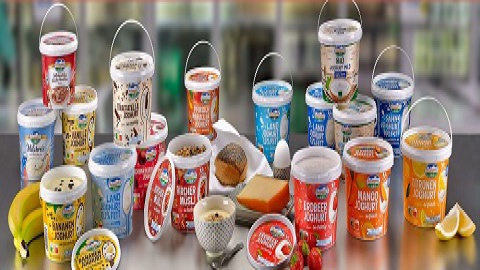
Some packaging demo from the six key innovations.
Biorefinery process for PHB production from brewery spent grains: BioSupPack has developed a scalable bioprocess that efficiently converts brewery spent grains into high-purity PHB through an innovative plasma pretreatment and microbial fermentation. The process has reached TRL 6, demonstrating feasibility in industrially relevant environments.
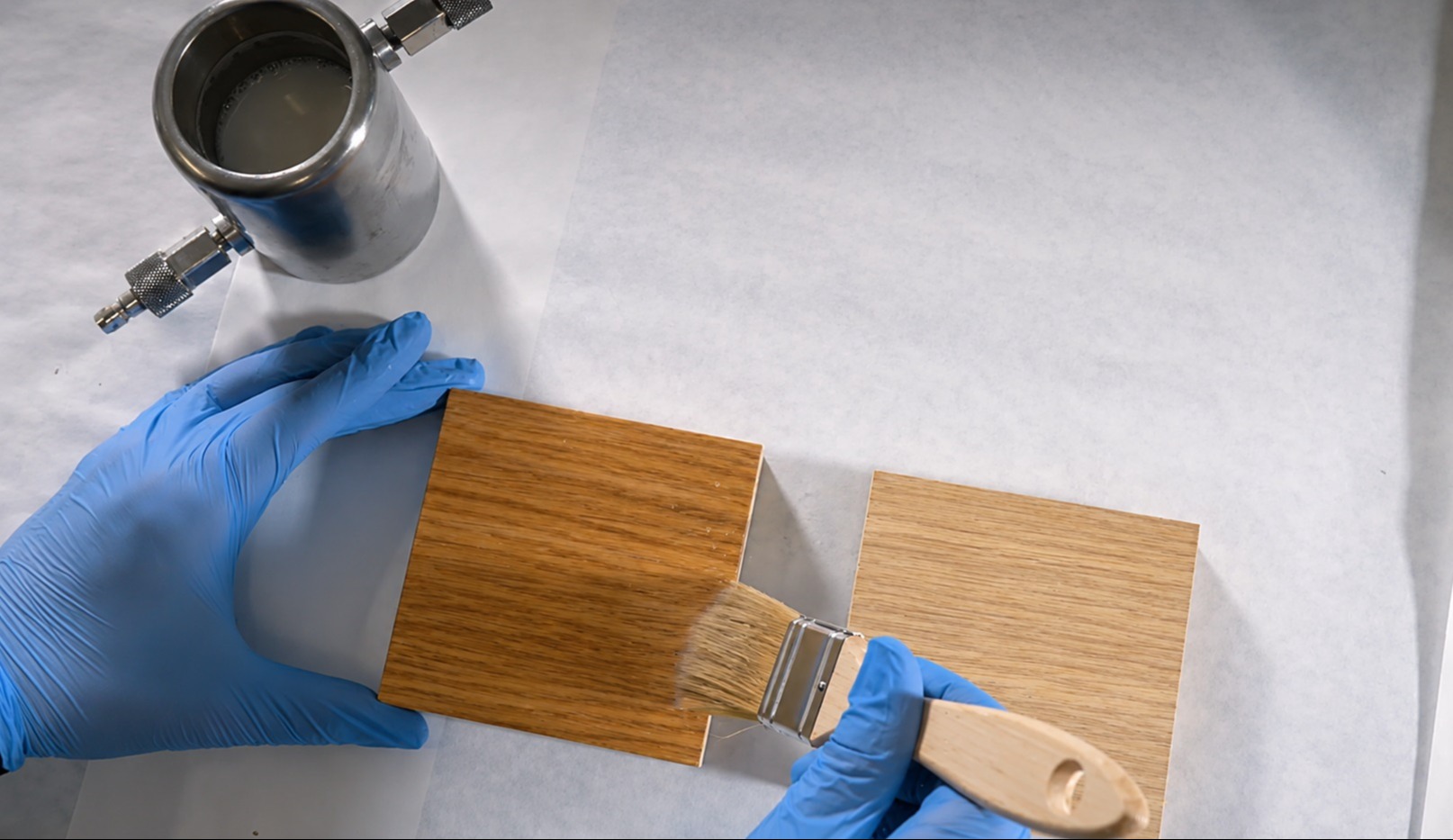
PHA-based coating formulations and compostable fiber-based packaging: BioSupPack has developed PHA plastisol coatings that are 99% bio-based and fully biodegradable. These coatings can be applied to paperboard as alternatives to PE coatings, as well as to textiles as replacements for PVC. The innovation is protected by Centexbel’s patent and has reached TRL 6, ready for licensing to coating manufacturers.
Compostable fiber-based packaging: The consortium has created industrially compostable, fiber-based packaging with barrier properties comparable to fossil-based plastics. Applications include ice cream cups and trays. The innovation has reached TRL 7.
PHB-based formulations for rigid packaging: SABIOMATERIALS has developed PHB-based materials optimized for rigid packaging applications. The materials are produced from renewable waste streams, are fully biodegradable, both mechanically and enzymatically recyclable, and have been specifically formulated for improved processability by extrusion blow molding and injection molding. The innovation has reached TRL 7, with industrial-scale production.
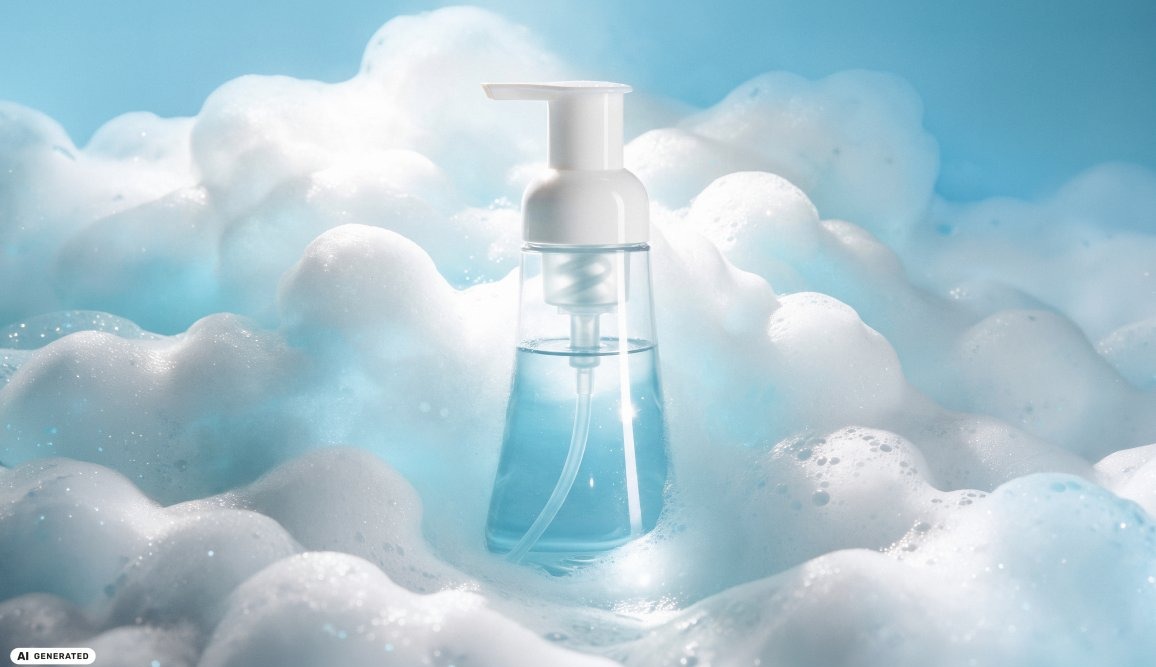
Rigid packaging for different sectors: ILAB has obtained bottles for dressings and personal care products and AIMPLAS has developed and produced a beer bottle display for the retail sector.
Sorting prototype for the novel bio-based and enzymatic recycling process: The sorting prototype for the packaging waste from IRIS, will allow the recovery of the new packaging waste streams for the subsequent enzymatic recycling, which has shown to be an effective end-of-life for these packaging materials, due to the development of novel selective enzymes.
Addressing PPWR and growing sustainability demands
BioSupPack’s innovations directly address the packaging industry’s transformation driven by the EU Packaging and Packaging Waste Regulation (PPWR). The technologies developed can be integrated into existing manufacturing infrastructure, reducing technical and economic barriers to adoption.
By demonstrating that high-performance bioplastics can be produced from industrial waste streams at scale, BioSupPack supports Europe’s industrial resilience, resource autonomy, and climate objectives while creating new value chains and economic opportunities in the circular bioeconomy.
The results achieved by BioSupPack are now available for uptake by industry stakeholders, including biopolymer producers, biorefineries, packaging manufacturers, and brand owners in the food, cosmetics, and consumer goods sectors.