














One cap, one code: Variable cap-top digital printing addresses the label-free requirement

"Traditionally, bottle caps primarily served sealing and anti-counterfeiting purposes. Now, they have evolved into a crucial interface for communication between brands and consumers."
In the digital transformation of the packaging and printing industry, some components that have long been seen as standard are experiencing a notable change in their roles. Bottle caps are a prime example of this shift.
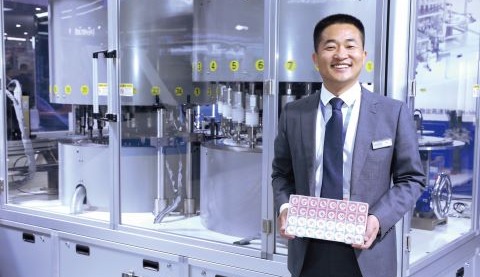
"Traditionally, bottle caps primarily served sealing and anti-counterfeiting purposes. Now, they have evolved into a crucial interface for communication between brands and consumers, and even a gateway for digital engagement," said Wang Jiazhao, Sales Director of Shanghai Onlytec Equipment Co., Ltd.
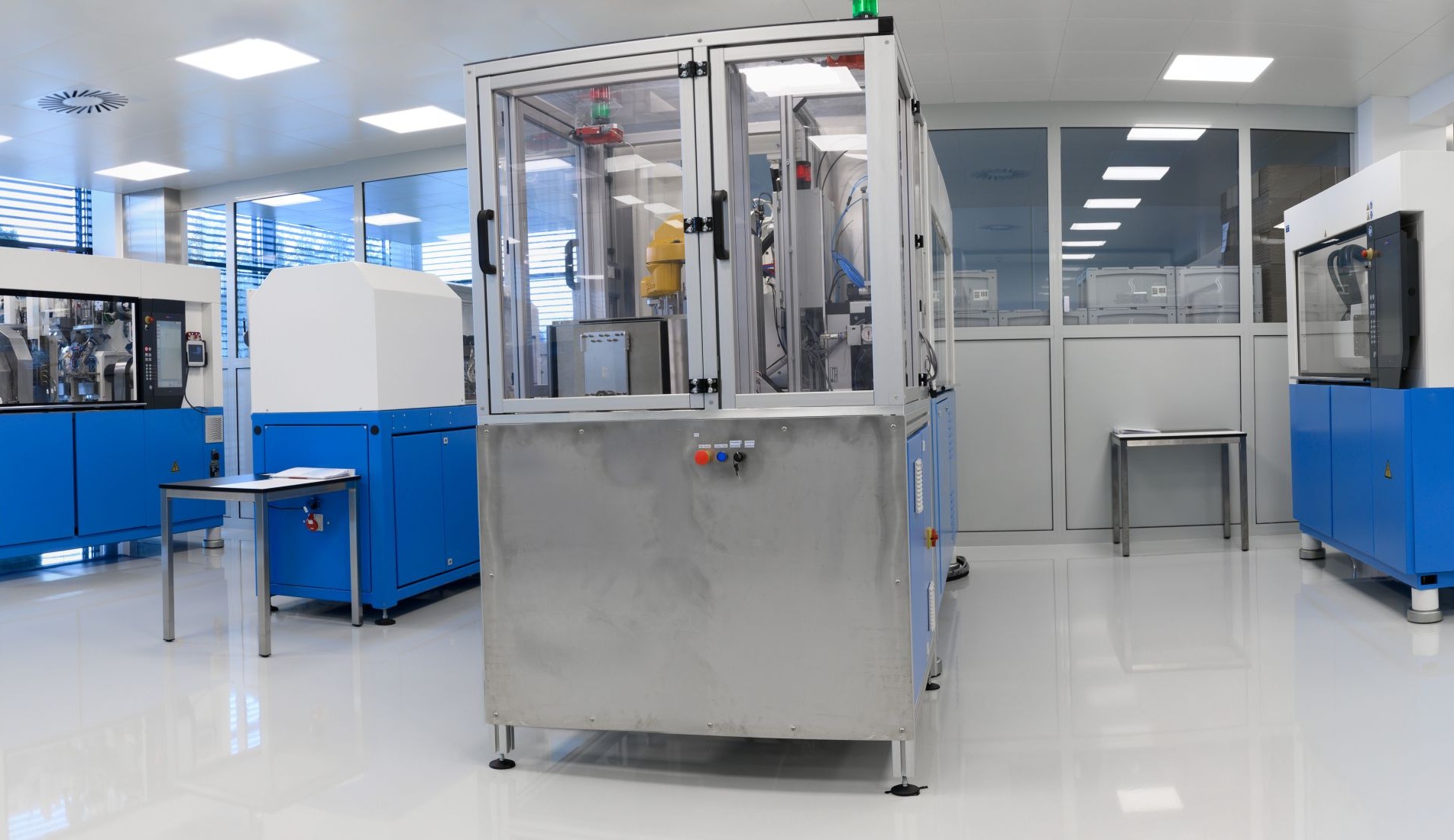
To align with this trend, Onlytec showcases its comprehensive variable cap-top digital printing solution at CHINAPLAS 2026. Wang emphasizes that this is not merely the display of a single piece of equipment; it represents a systematic upgrade of current methods for bottle cap decoration and coding.
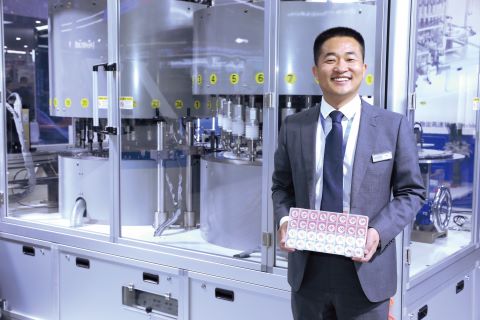
Wang Jiazhao, Sales Director of Shanghai Onlytec Equipment Co., Ltd.
Bottle caps: More than just sealing components
Wang notes that the rationale behind Onlytec's variable cap-top digital printing solutions arises from continuous observations of changes in the downstream market.
First, the influence of branding is particularly striking. In sectors such as beverages, cosmetics, food, and pharmaceuticals, the visual appeal and information displayed on bottle caps significantly impact consumers' first impressions.
"Traditional printing methods, like offset and pad printing, have considerable limits in terms of color variety, pattern complexity, and minimum order quantities. This presents challenges for new brands looking to quickly launch limited editions, seasonal products, or personalized offerings," Wang explains.
Moreover, regulatory changes are driving the need for technological upgrades. For instance, South Korea's "label-free" policy for water bottles, effective from 2026, requires more brands to transfer information that was typically found on labels directly onto bottle caps and similar areas.
"This creates specific requirements for printing methods — they must not only be capable of printing but also be flexible, variable, and compatible with data systems," he adds.
Additionally, in the food and pharmaceutical sectors, enhanced traceability systems are making bottle caps ideal locations for QR codes, batch numbers, and regulatory codes. The inherent uniqueness of bottle caps positions them as excellent carriers for the concept of "one item, one code".
Zero downtime switching enhances production efficiency
Wang believes that the significance of variable cap-top digital printing extends beyond simply replacing traditional processes.
In comparison to offset and pad printing, this solution provides distinct advantages in color and design, enabling high-definition full-color output and supporting intricate patterns and gradient effects. A major shift in production comes from significantly reduced "switching costs."
"By issuing software commands, the printing content can be switched nearly without any downtime, enabling small-batch, mixed-variety production as the norm," he explains.
A key feature is its variable data capability. Onlytec's solution incorporates a high-speed data processing system that allows for the real-time printing of QR codes, serial numbers, batch information, and even personalized images on high-speed production lines, achieving speeds of over 150,000 bottle caps per hour.
"This effectively establishes a digital identity for each bottle cap, rather than merely printing a design," Wang emphasizes.
From an environmental and smart technology standpoint, variable cap-top digital printing reduces the need for plate-making and cleaning processes. When combined with UV or eco-friendly ink systems, it enables instant curing and low-energy operation. Additionally, the equipment can integrate with visual positioning, intelligent adjustments, and MES systems, thereby preventing the creation of new data silos.
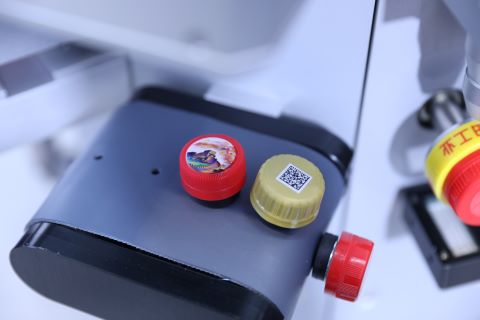
Digi-cap printing equipment provides advantages in color and design, and it significantly reduces switching costs.
Smarter: From executing commands to autonomous adjustments
Discussing industry trends, Wang Jiazhao believes that changes in end-user demand are driving upgrades in automation equipment.
"On one hand, product lifecycles are becoming shorter, which necessitates extremely high switching speed for equipment. On the other hand, equipment cannot just execute commands; it must also possess sensing and analytical capabilities."
In terms of AI applications, he views their value as a means to transition equipment from "automation" to "autonomy." Currently, Onlytec has integrated adaptive vision systems into its equipment to compensate for shifts and deformities in bottle cap positions in real time, ensuring high-speed printing accuracy.
"We are also collaborating with partners to develop predictive maintenance models based on production data to minimize unplanned downtime," he adds.
Regulations boosts growth in overseas markets
In international markets, the growth of digital printing for bottle caps is also noteworthy. Wang explains that the European market is highly sensitive to environmental regulations and sustainable production, resulting in strong acceptance of digital printing technologies that are waste-free and support recyclable packaging.
In Southeast Asia, which serves as a key manufacturing hub for beverages and personal care products, there is a clear demand for production line upgrades that balance efficiency and flexibility.
Meanwhile, the markets in Japan and South Korea, particularly with South Korea's label-free policy, have significantly enhanced the concentrated application of high-speed digital printing equipment for bottle caps.
"Our inline high-definition printing workstation is particularly popular in the Japanese and Korean markets. The QR code printing solutions for high-speed beverage production lines, along with multi-color and variable customization options tailored for the cosmetics industry, are receiving the most positive market feedback and experiencing the fastest growth in orders," he adds.
In the realm of packaging and printing, key technological focal points for the next stage of development will include further advancements in industrial inkjet printhead technology, more environmentally friendly UV and water-based ink systems, and AI-driven comprehensive quality control.
Against this backdrop, Onlytec will continue to increase investments in high-speed inkjet technology, machine vision, and AI. "Our aim is to transition from being a single equipment supplier to becoming a comprehensive partner in digital packaging for brand clients," Wang concludes.
Booth: 4.1F56