












SUDARSHAN stays customer-centric to meet premiumization trend

"Designing for recyclability, along with making bio-based and recycled materials easy to source and use, are key drivers of the sustainable plastics industry."
In times of uncertainty and change, the market is full of challenges. SUDARSHAN, a leading global manufacturer of colorants, is navigating challenges through product innovation and application development together with their customers, especially in areas of sustainability.
“Designing for recyclability, along with making bio-based and recycled materials easy to source and use, are key drivers of the sustainable plastics industry,” says Wang Peifeng, Head of Sales, Greater China, SUDARSHAN. He also sees an increased utilization of bio-based plastics and PFAS-free plastic materials in the market.
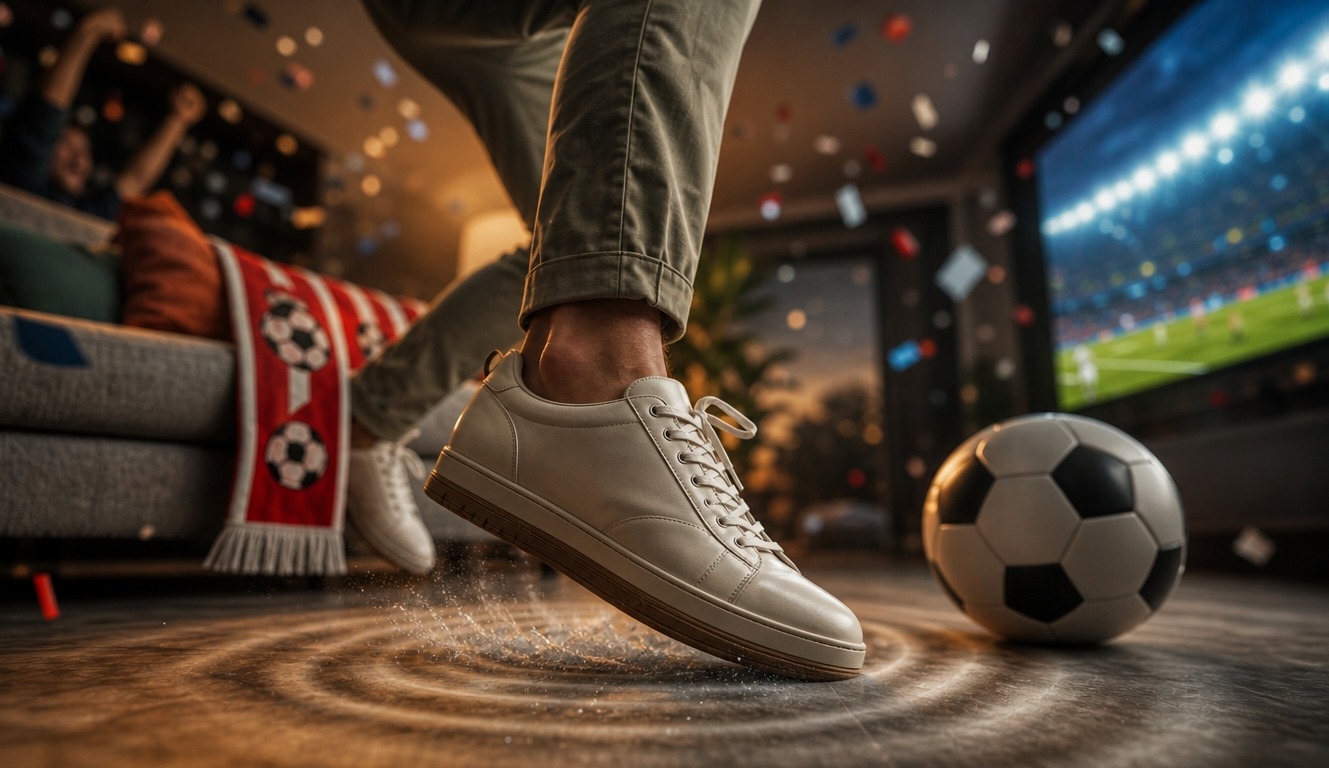
Collaborating closely with customers is also essential to deliver tailored solutions that meet their goals. Wang notes that the demand for greater consumer customization is enabled by smart manufacturing processes such as 3D printing, which is becoming increasingly important in footwear and sports gear.
Wang adds that performance requirements and environmental considerations are also strongly influencing the choice of plastics and rubbers for sports shoe midsoles.
Apart from smart manufacturing, the company is increasing its use of digital technologies including AI tools, which can empower employees to work more efficiently and broaden their work scopes.
Wang observes that as electric vehicles grow in popularity, new opportunities are emerging because electrification is fundamentally changing plastics requirements in the automotive sector. He also notes that rising power demands and greater heat generation in AI data centers are driving higher quality standards for the plastics and rubber that support them.
The company also sees a trend toward "premiumization", in which firms emphasize higher-end products and color plays a critical role in supporting that. "Premiumization serves as a primary, nonverbal communicator of quality, sophistication, and exclusivity," Wang explains
Collaborating with customers to support their success
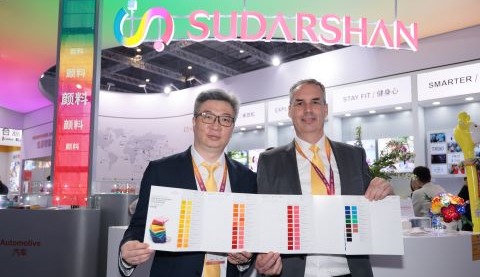
Wang's views are echoed by Marc Zwart, Technical Manager, China Plastics: “We work together with our customers to identify the right grades for their applications.”
Zwart emphasizes that this collaboration is particularly important in scenarios such as metamerism, where colors match under one light source but appear different under another. For example, the growing use of tunable LED lighting for white and full-color illumination in automotive and consumer settings, which enables dynamic, user-defined lighting atmospheres, can increase the incidence of metamerism.
Another example is post-production coloration, such as batch dyeing and painting, being increasingly replaced by mass coloration (often called spin-dyeing in the fiber industry), where colorants are added directly during processing. This approach is also being used more with physically or chemically recycled resins, which can have off-colors compared with virgin materials.
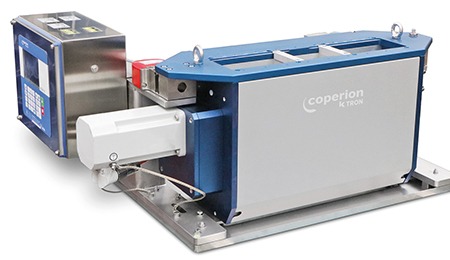
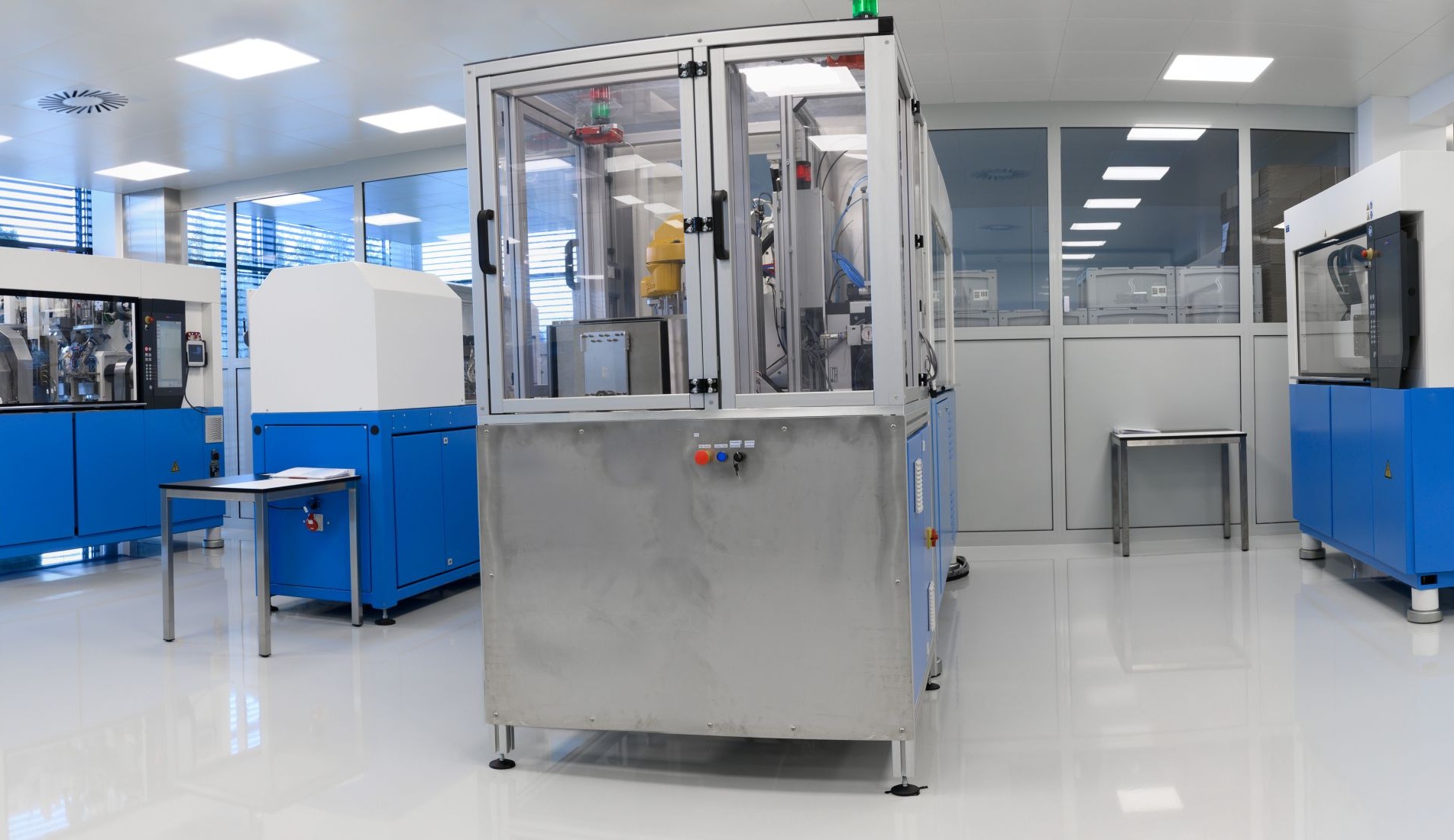
Zwart reveals that the company is investing in latest lab equipment to enhance customer support at its Shanghai Technical Application & Regional (STAR) Color Competence Center. New additions include a twin‑screw extruder for dispersibility testing, a torque rheometer for sensitive viscosity measurements, and a tunable LED light booth for advanced metamerism evaluation.
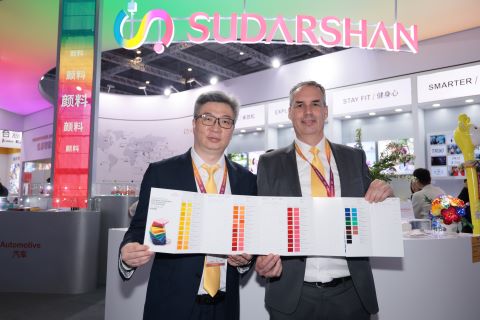
Wang Peifeng, Head of Sales, Greater China (Left) andMarc Zwart, Technical Manager, China Plastics
Innovations to help customers stay ahead
With premiumization driving demand for more striking colors, the products showcased at this year's CHINAPLAS emphasize pigments that deliver maximum chroma or transparency for greater consumer impact. These products also reflect the growing use of sustainable plastics—bio-based, recycled, and PFAS-free—and the corresponding need for appropriate coloration solutions.
Highlights include pigments that deliver high chroma and strong migration fastness for bio-based TPU, including formulations suitable for 3D printing in footwear and sports gear, and pigments offering high chroma and transparency for transparent bio-based polyamides used in smart wear, such as AI glass frames and headset bands.
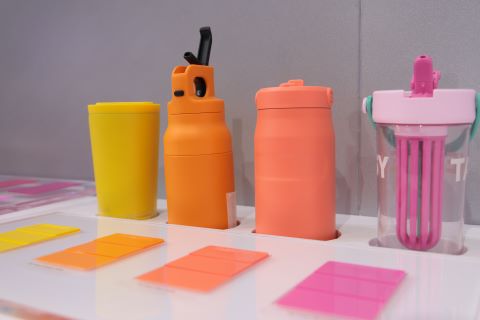
Huebach highlights pigments that deliver high chroma.
The company has also expanded its range of pigments with certified Product Carbon Footprints and adopted more sustainable production processes to improve impurity profiles. These products, including pigments certified for coloring the latest bio-based EVA, TPU, and PA grades, are also on display at CHINAPLAS.
Other showcased products include PV Fast Yellow H9G 01—the greenest high-performance pigment—alongside PV Fast Yellow H4G and Sudaperm Yellow 3033K. All three offer indirect food-contact approval and good lightfastness, making them well suited for consumer items such as cooling boxes and thermal mugs. Also featured are "Aqua Blue" colorant solutions, the commonly used color for automotive FAKRA connectors used in advanced driver-assistance systems (ADAS) and camera systems.
Booth: 8.2F31