










KRAIBURG TPE’s solution with high recycled content for automotive sealing systems

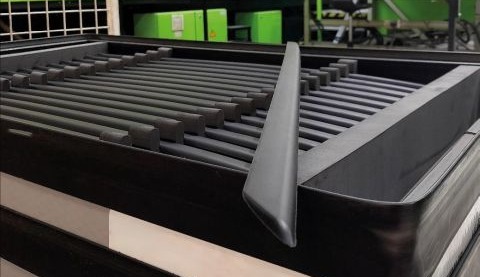
KRAIBURG TPE has cooperated with SaarGummi, an international automotive supplier, in developing the use of THERMOLAST K product series, with recycling content made of post-industrial and post-consumer recyclates of more than 50%, in automotive sealing applications.
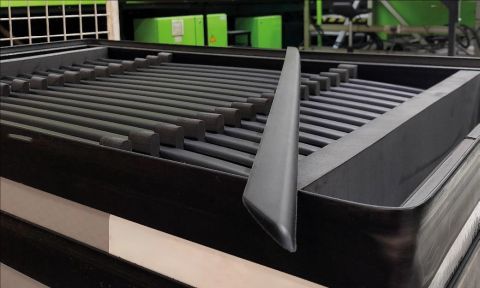
The long-standing partnership between KRAIBURG TPE and SaarGummi forms the basis for joint development projects in the field of innovative and recycling-based materials solutions for the automotive industry.
THERMOLAST K product series meets the high requirements of the automotive industry for quality, processability and functionality.
Successful tests confirm materials performance
Both the existing material and the new recycling variant were already tested in comparable conditions at an early project stage. The results showed that the new materials solution meets the relevant requirements and can be reliably integrated into the production process.
Alexander Mayer, Senior Business Development Manager at KRAIBURG TPE, explains: “The first results have shown that we are on the right track with this development. Our aim was to design a materials solution that saves more resources, while meeting the high quality standards of the automotive industry.”
High recycling content with unchanged performance
The result of the joint development effort is a TPE solution with a recycling content of about 56%. The recycling content consists of post-industrial and post-consumer recyclates and enables a materials option with reduced resource consumption for sophisticated automotive applications.
Sebastien Roux, TPE Material & Process Specialist at SaarGummi, comments: “The new material meets the requirements of our application and can be reliably combined with existing components. At the same time, the increased recycling content makes an important contribution to greater sustainability.” It was possible not only to increase the recycling content, but also to reduce the product carbon footprint (PCF) of the material compared to that of the previous variant.