









From waste to wallet: Turkey's new plan to recycle 25bn bottles annually

Turkey has announced the nationwide launch of its Deposit Management System. Starting July 1, 2026, the country will pay consumers a uniform incentive of 1 Turkish Lira (approximately US$0.03) for each eligible beverage container returned.
The landmark environmental initiative aims to fundamentally overhaul waste management across all 81 provinces and 973 districts, effectively transitioning the country toward a robust circular economy.
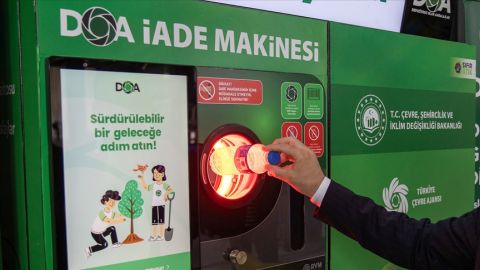
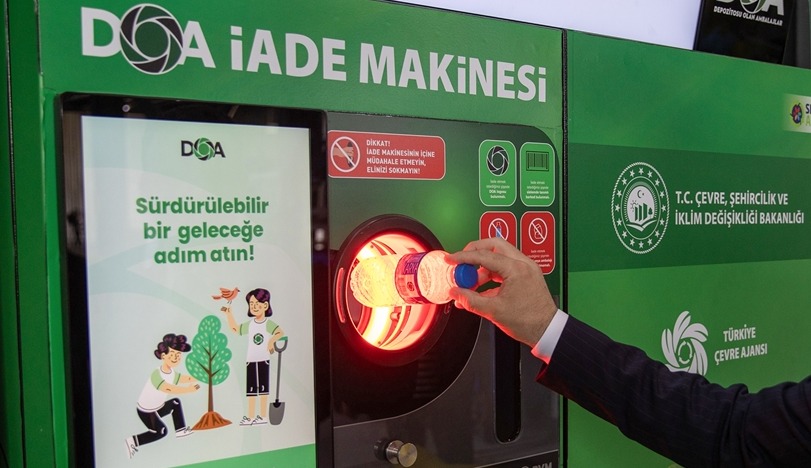
(Photo: Anadolu Agency)
Ambitious recycling goals
The primary objective of the new system, which is a flagship expansion of Turkey’s broader "Zero Waste" framework, is to drastically improve the country’s current recycling metrics.
By implementing a financial incentive, the government aims to skyrocket the nationwide container collection rate from its current 35% up to 90%.
How the system operates
The program applies strictly to single-use packaging between 0.1 and 3.10 liters made of plastic (PET), glass, and aluminum. To be eligible for the refund, containers must clearly display the official, specialized "DOA" logo.
Consumers can drop off their empty beverage containers at designated collection points or reverse vending machines (RVMs).
The technical architecture relies heavily on digitization. The RVMs scan the specialized logo on the bottle, and the refund is immediately credited to the user's digital wallet via the free DOA mobile application. The collected digital currency can then be moved directly into traditional bank accounts, withdrawn at ATMs, or spent directly at participating retail partners.
Furthermore, officials clarified that the initiative is cost-neutral for shoppers; the 1-lira payout is entirely funded by recycling fees already levied on manufacturing companies.
Economic and environmental impacts
The projected scale of the logistics network will place Turkey among the largest recycling systems in Europe and the Middle East. Government forecasts indicate that the program will successfully recover up to 25 billion pieces of packaging waste annually.
Beyond the massive reduction in litter and landfill strain, the program boasts an impressive economic upside. The government expects the systemic recovery of these raw materials to generate 30 billion liras (approximately US$930 million) in annual savings for the national economy.