











With green packaging demand steadily gaining momentum, what drives KOKSAN to expand its footprint in the Chinese market?

Against the backdrop of sustainable development and the advancing circular economy, the packaging industry is undergoing new transformations. Corporate focus has shifted from mere production capacity expansion to industrial chain collaboration, circular utilization, and global strategic positioning. KOKSAN is exploring new growth opportunities through a diversified strategy.

Industry Shifts Behind a Bottle of Beverage
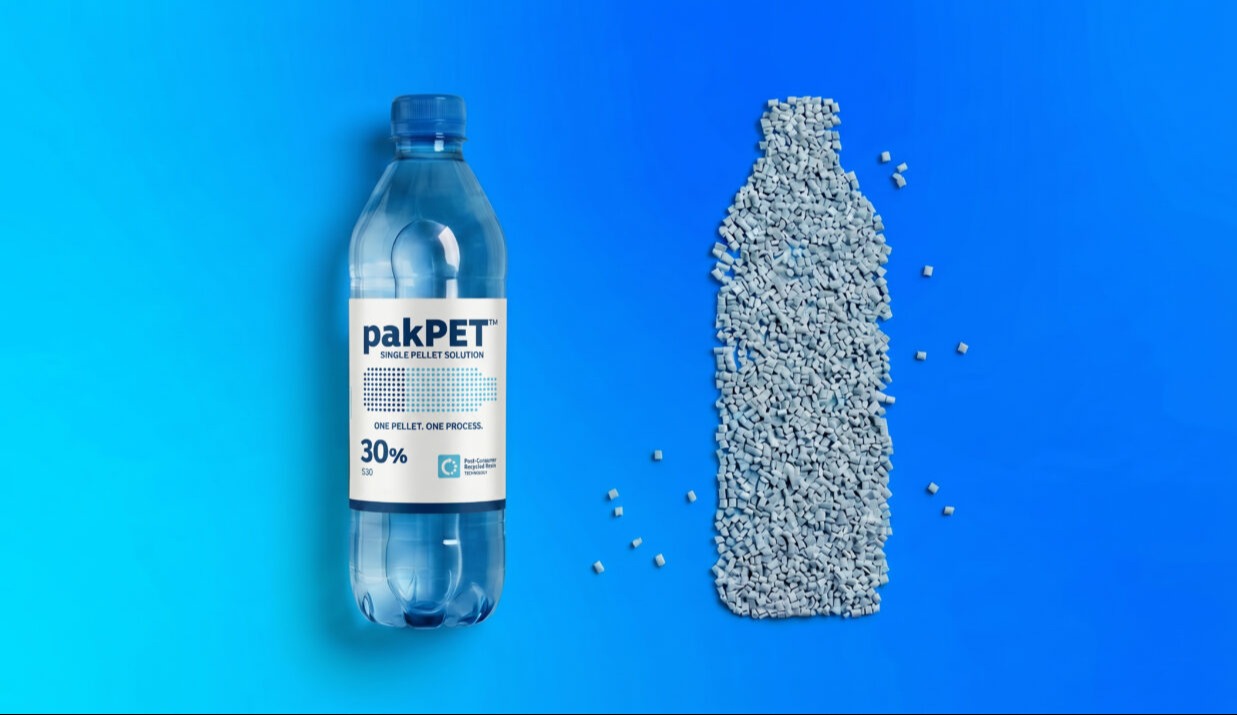
When a bottle of beverage is picked up from the shelf, most consumers pay attention to taste and packaging design—but material companies think about entirely different questions: Where did the packaging come from? Where does it go after use? Can it re-enter the next cycle? As green packaging concepts gain increasing traction, a transformation along the material value chain is quietly unfolding.
From PET Manufacturing to Industrial Chain Integration
Founded in 1968, KOKSAN operates across multiple segments of the PET packaging value chain, with products applied in beverages, food, and other sectors, and a market network covering over 100 countries and regions. In recent years, the company has steadily advanced its international expansion, identifying the Chinese market as a key strategic priority. Its business trajectory is progressively extending from material manufacturing to circular economy-related initiatives.
China Market Unlocks New Industrial Opportunities
In recent years, consumption upgrading, packaging lightweighting, and growing demand for circular utilization have created new room for development in the PET materials industry. Against this backdrop, KOKSAN's Nantong project is planned with an annual production capacity of 2.2 million tonnes of green polyester new materials, with a total investment of approximately USD 710 million. The project is designed to integrate both PET and RPET directions, supporting resource circular utilization and the application of green materials.
The Competitive Landscape Is Shifting
The next phase of competition in the materials industry may no longer be solely about scale, but about industrial synergy, technological accumulation, and long-term strategic capability. From global to local markets, and from material production to circular value chain development, companies are seeking more sustainable growth paths.
Visit our company page to send your inquiry 👇
KOKSAN (NANTONG) NEW MATERIAL CO,LTD - CPRJAdsale Plastics Network