










Top 10 technology trends: Functional films designed for thinness, strength, and speed

Functional films are undergoing a profound structural upgrade, shifting from a focus on single-performance breakthroughs to a competition over comprehensive, system-level capabilities. Stringent regulations, such as the PPWR, are driving rapid advancements in recyclability.
Concurrently, high-end sectors including new energy, electronics, pharmaceuticals, and cold-chain logistics continue to demand enhanced functionality. Beyond performance, clients are imposing increasingly strict standards on material consistency, quality stability, and large-scale batch delivery capabilities
An analysis of the case studies submitted for 2026 Top 10 Technology Trends in Plastics and Rubber reveals that the industry is advancing along three parallel and distinct pathways: material simplification and enhanced recyclability; high-performance, specialty functional films tailored for high-end applications; manufacturing upgrades focused on stability and consistency, powered by advanced equipment, optimized processes, and rigorous testing.
By directly addressing recyclability, high-performance capabilities, and reliable mass delivery, these three strategic directions form the core competitive foundation for the next generation of functional films.
Click "HERE" to read the eBook of “2026 Top 10 Technology Trends in Plastics and Rubber Report”.
Pathway 1: Mono-material design: Balancing high barrier performance and recyclability
Strict regulations, such as the PPWR, now impose mandatory recyclability requirements on flexible packaging. Traditional multi-material composite films, particularly those incorporating aluminum foil, present severe processing challenges during end-of-life recycling.
In response, eight case studies in this category focus on all-PE, all-PP, or mono-polyolefin structures. The primary objective is to engineer multiple critical functions, such as high barrier properties, secure heat sealing, and high-quality printability, into a single material system. This allows the films to maintain premium functional performance while remaining fully compatible with closed-loop recycling systems.
Reifenhäuser: Cast MDO Meets Intelligent Edge Encapsulation
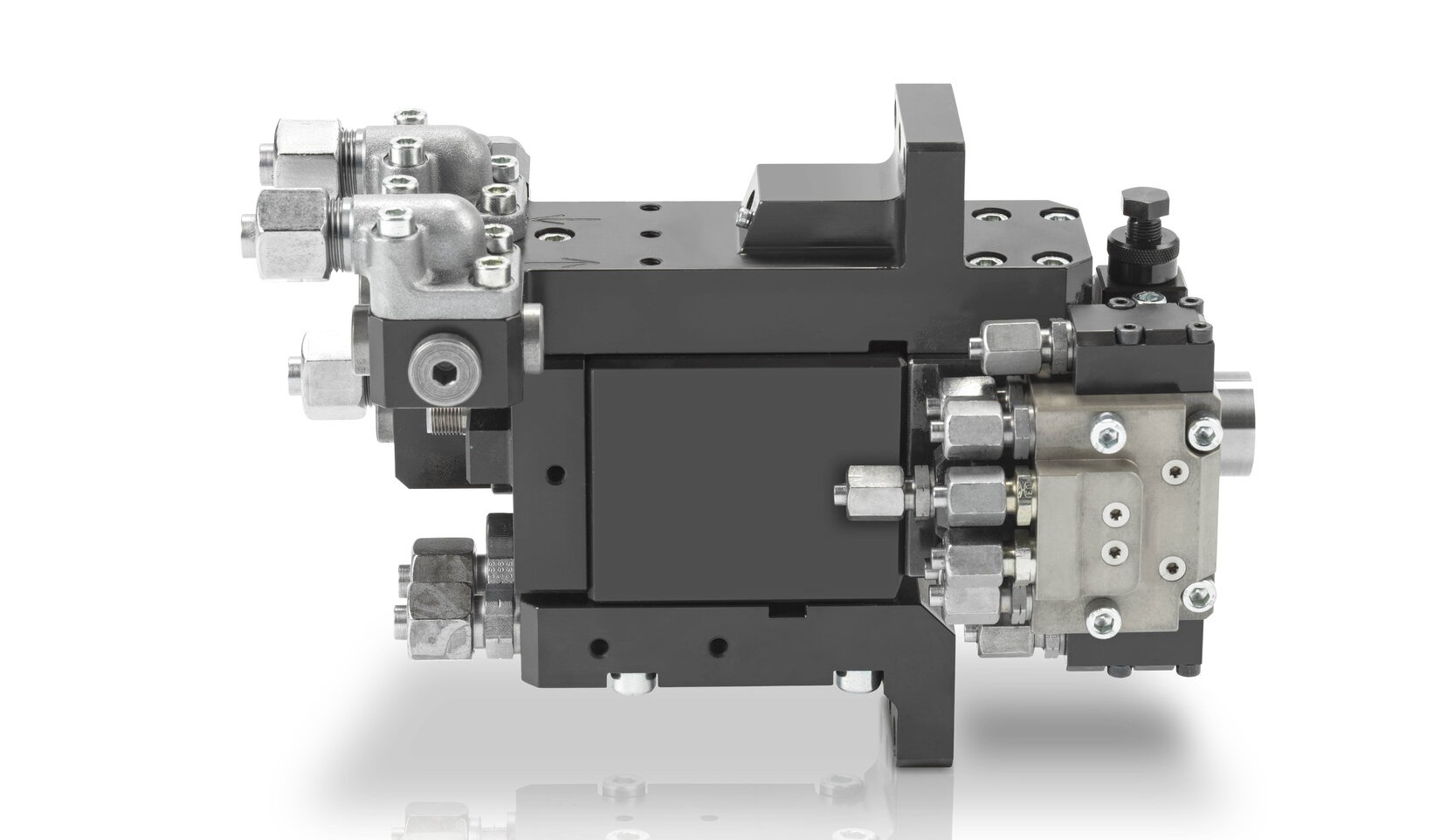
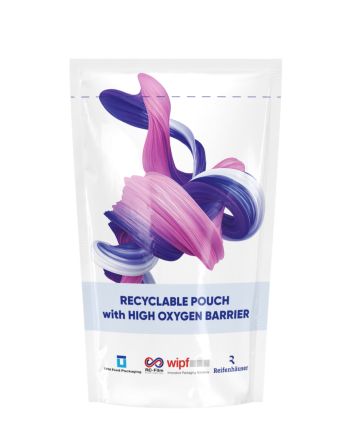
Reifenhäuser’s cast MDO technology and intelligent edge encapsulation integrate MDO stretching with encapsulation bolts directly inside the coextrusion adapter. This configuration restricts the EVOH barrier layer strictly to the film's core, leaving the edges composed entirely of pure PE or PP. By reducing total EVOH content to less than 5% of the overall packaging weight, this technology enables the cost-effective mass production of all-PE or all-PP mono-material high-barrier pouches. Furthermore, it slashes the required capital investment by up to 95% compared to conventional production setups.
LG Chem: UNIQABLE™ Sustainable Packaging Materials
LG Chem’s sustainable packaging material, UNIQABLE™, facilitates extreme lightweight downgauging for all-PE mono-material films. In partnership with Reifenhäuser, LG Chem initiated the mass production of an 18 μm MDO-PE film in 2024, and successfully reduced this thickness to a world-leading ultra-thin standard of 12 μm in 2025. Compared to standard 25 μm mono-material alternatives, this solution reduces total plastic consumption by approximately 44%.

MACCHI S.p.A.: 7-Layer Blown Film Extrusion Line
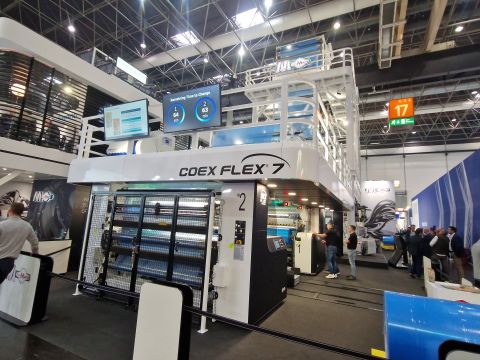
MACCHI’s 7-layer blown film extrusion line enables the high-volume manufacturing of true mono-material barrier films through the precise control of a 7-layer coextrusion process and ultra-thin EVOH barrier layers. These films can be laminated with reverse-printed MOPE to create entirely mono-material structures. The primary target markets for this technology include food packaging and high-performance agricultural films.
Hualong Membrane Material: MDO-PE Film
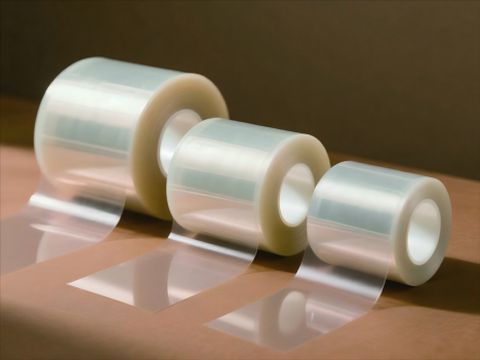
Jiangmen Hualong Membrane Material Co., Ltd. produces mono-material PE films utilizing advanced MDO processing. The resulting films integrate into existing downstream workflows, including high-speed printing, lamination, and pouch-making, while remaining fully recyclable. The solution has been successfully deployed at scale across mainstream flexible packaging applications, such as pet food, coffee beans, and laundry detergent pouches.
Zhengyi Packaging: High Barrier ALOx MDO-PE Film
Guangdong Zhengyi Packaging Co., Ltd.’s high-barrier AlOx MDO-PE film achieves exceptional protection through advanced aluminum oxide vacuum metallization and specialized coating design. The film maintains an oxygen transmission rate (OTR) below 1.0 cm³/(m²·day) while preserving its fully recyclable, eco-friendly mono-material PE structure.
HySum Flexibles: High-Barrier PE-Based Coated Film
Through the synergistic engineering of substrate and coating formulations, HySum Flexibles allows polyethylene films to achieve high-barrier performance with OTR below 1.0 cm³/(m²·day). The films are fully printable and laminable, directly resolving chronic industry pain points associated with conventional co-extruded films, such as poor barrier performance, separation difficulties during recycling, and cost-prohibitive equipment requirements.
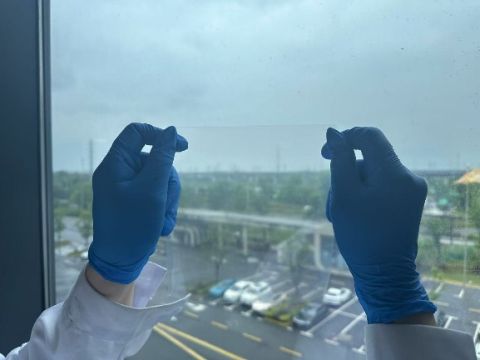
HySum Flexibles: Heat-Sealable High-Barrier Vacuum-Metallized Paper
This innovative solution integrates printing, oil repellency, heat-sealing, and high-barrier performance into a single aluminum-coated paper structure. Both its OTR and water vapor transmission rate (WVTR) are maintained below 1.0. Compared to conventional multi-layer functional composites, this paper-based solution significantly simplifies material structure while enabling easy recycling.
Decro Film New Materials: BOPP Co-Extruded Thermal Film
Guangdong Decro Film New Materials Co., Ltd.’s BOPP co-extruded thermal film features an integrated thermal lamination layer produced via a one-step co-extrusion molding process, enabling direct lamination onto paper substrates without the need for oven drying.
This streamlined manufacturing process consumes only about 40% of the energy required by traditional water-based adhesive lamination, slashing CO₂ emissions by 102.48 kg per 10,000 m² of finished product. The film has achieved widespread mass adoption in the dairy packaging of leading brands such as Yili and Mengniu.
Pathway 2: High-performance specialty films: Thinner gauges, greater functionality
In advanced applications, such as new energy, consumer electronics, pharmaceuticals, cold-chain logistics, and display technologies, films have evolved far beyond basic packaging. Today, they serve as critical, highly specialized functional layers. These include advanced battery separators, optical protective substrates, high-barrier preservation films, durable electronic labeling, and structural interlayers for safety glass.
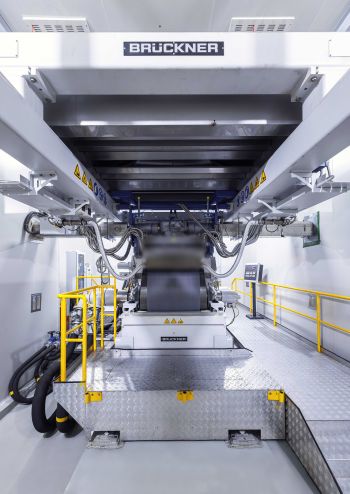
Brückner: Ultra-Thin and Ultra-Wide Battery Separator Production Line
Brückner operates the world’s widest 8.7-meter biaxial stretching production line for power and energy-storage lithium-battery separators. The system reliably mass-produces ultra-thin 5 μm separators while maintaining a thickness tolerance of just ±0.2 μm and a puncture strength exceeding 100 gf. This technological breakthrough significantly reduces production costs per unit area.
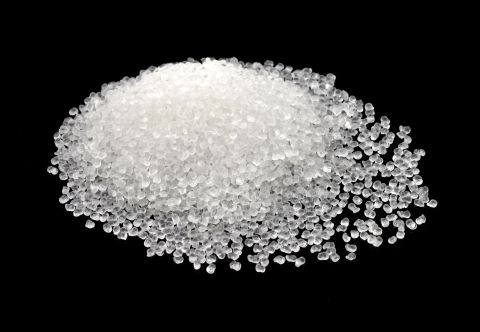
TopOlefin Technology: TAMT®/SOOC® Special Cycloolefin Copolymer
Developed and manufactured by TopOlefin Technology (Quzhou) Co., Ltd., TAMT® is a high-purity amorphous cyclo-olefin copolymer (COC). It integrates multiple high-performance functionalities, including superior gas barrier properties, excellent thermal resistance, a high elastic modulus, exceptional optical clarity, and precise, biaxial linear easy-tear performance. The product is fully REACH and FDA certified, making it highly versatile for easy-tear films, shrink sleeves, barrier packaging, medical functional films, optical displays, and automotive electronic films.
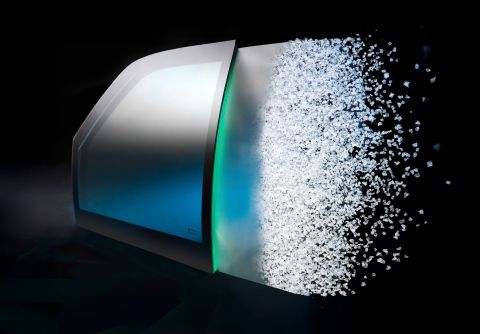
Huntsman: KRYSTALFLEX® Optical Aliphatic TPU Film
Huntsman’s KRYSTALFLEX® is an optical-grade aliphatic TPU film specifically engineered for demanding laminated glass applications. It delivers a combination of impact absorption, blast resistance, UV stability, weather resistance, exceptional optical clarity, and robust substrate adhesion.
Compatible with multiple transparent structural materials, including glass, PC, and PMMA, it has established the global industry benchmark for laminated glass in the architectural, high-security, and transportation sectors.
ExxonMobil: High-Clarity and High-Toughness Tubular Water Quench PE Substrate Film
Jointly developed by ExxonMobil and Chengdu Boshikerui, this high-clarity, high-toughness tubular water-quench PE substrate film combines ExxonMobil’s Exceed™ Tough+ series high-performance PE resins with Boshikerui’s downward water-cooled blown film technology.
The solution breaks through the optical and mechanical performance bottlenecks of conventional cast and upward blown film processes, boosting film transparency, puncture resistance, and elongation at break. It addresses key industry pain points, including the visual clarity requirements of seafood vacuum packaging and film breakage risks in cold-chain logistics.
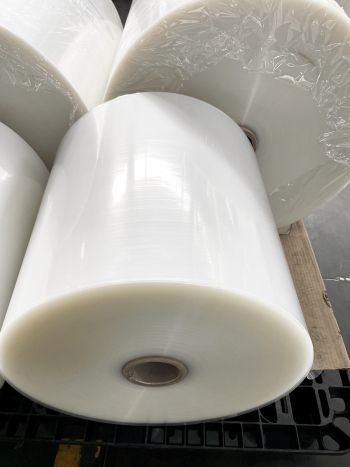
COACE: Tie Resin for Multi-Layer Co-Extruded Barrier Packaging Film
COACE’s tie resin for multi-layer co-extruded barrier packaging film is specifically engineered for 5-, 7-, and 9-layer co-extruded barrier packaging films. It resolves chronic adhesion deficiencies between PE and high-barrier layers like PA6 and EVOH, while optimizing processing stability to support the industry trend toward extreme film downgauging. For typical clients utilizing 7-layer structures, this solution enables a 20% reduction in film thickness, enhances barrier performance, boosts production speeds by 15%, and cuts raw material consumption by 15% to 30%.
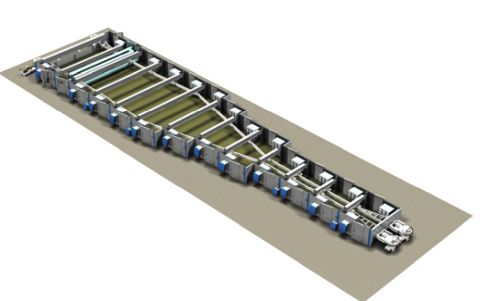
Molecular Intelligent Machinery: Line for Battery Separator Film Sequential Process
The line for battery separator film sequential process (multilayer high tensile nano-film) from Molecular Intelligent Machinery (Guangzhou) Co., Ltd. features a multi-layer composite structure combining high-modulus and high-toughness layers, together with precisely coordinated biaxial stretching.
This configuration delivers simultaneous improvements in tensile strength, modulus, and elongation at break, while markedly suppressing microcrack propagation and pinhole penetration to enhance puncture strength and thermal stability. This technology has successfully achieved full-scale industrialization.
Boxai Biomaterials: F3003 CPET/EVOH High-Temperature Resistant Barrier Cast Film
The F3003 CPET/EVOH high-temperature resistant cast barrier film from Zhejiang Boxai Biomaterials Co., Ltd. features a co-extruded CPET/EVOH structure. It withstands temperatures up to 200°C and adapts to refrigerated and frozen conditions, with water vapor transmission rate and oxygen transmission rate both below 5. This performance envelope enables a seamless full-chain workflow of “Refrigeration/Freezing - Heating – Consumption”, tailored specifically for the emerging demands of pre-cooked meals and pulp-based food container lamination.
Zhengyi Packaging: High Barrier ALOx Film
The high-barrier AlOx film from Guangdong Zhengyi Packaging Co., Ltd. achieves ultra-high barrier performance, keeping both its OTR and WVTR at or below 0.2, thanks to advanced aluminum oxide coating technology. It features high transparency, printability, excellent lamination suitability, colorless clarity, and eco-friendly properties.
Additionally, the film is microwave-safe and metal-detector compatible, making it suitable for a broad range of applications across the food, cosmetics, and industrial packaging sectors.
Decro Film New Materials: Eco-Friendly Scratch-Resistant Electronic Printing Label Film
Guangdong Decro Film New Materials Co., Ltd.’s eco-friendly scratch-resistant electronic printing label film is formulated entirely free of inorganic mineral matting agents, preventing surface abrasion on electronic products. The film features high stiffness and delivers excellent die-cutting performance. It is designed for variable-information and personalized labeling applications utilizing roll-to-roll and sheet-fed UV inkjet digital printing processes.
Pathway 3: Advancing stability and consistency: Enabling reliable film manufacturing
As films become thinner, structures grow more sophisticated, and application requirements intensify, the industry's ultimate challenge has shifted. The core question is no longer whether an advanced film can be produced, but whether its quality and performance can remain stable and consistent throughout high-speed, continuous, and large-scale manufacturing processes.
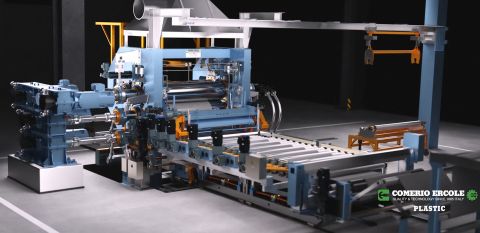
COMERIO ERCOLE: PLASTICAL® High-Performance PVC Calendering Lines
The PLASTICAL® high-performance PVC calendering line from COMERIO ERCOLE delivers micron-level precision and long-term stability for ultra-thin PVC films. The system is equipped with high-rigidity mechanical frames, thermally stable calender rolls, and advanced hydraulic gap control.
Its ultra-fast roll change solutions drastically cut downtime when switching between different film thicknesses, surface finishes, and textures. Compatible with a complete spectrum of PVC formulations ranging from highly plasticized flexible grades to semi-rigid and rigid compounds, it serves premium markets including furniture, automotive interiors, visual communications, medical supplies, and adhesive tapes.
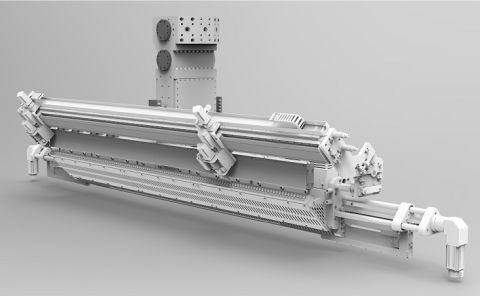
JCtimes: IM SYSTEM Intelligent Precision Die Series
Developed by JCtimes, the IM SYSTEM intelligent precision die series is tailored for flat extrusion lines with ultra-wide widths exceeding 3,500 mm. Integrated with online thickness gauges and left-right dual-drive synchronous adjusting bolts, it establishes a closed loop of “measurement – calculation – adjustment”. This configuration greatly accelerates the response speed of extra-long die heads, cuts raw material waste and reject rates, and supports 24/7 autonomous production in smart factories.
Pengxiang Machinery: Integrated Automatic Air Ring for Three-in-One Film Blowing Machine
The Integrated automatic air ring for three-in-one film blowing machine from Zhejiang Pengxiang Precision Machinery Manufacturing Co., Ltd. realizes precise coordinated regulation of air volume, wind speed and air temperature via combined mechanical linkage and intelligent electronic sensing control. It addresses longstanding drawbacks of conventional air rings including decoupled air temperature-air volume adjustment, turbulent airflow, and inflexible tuning capacity. It also sustains stable, consistent performance during high-speed film blowing production.
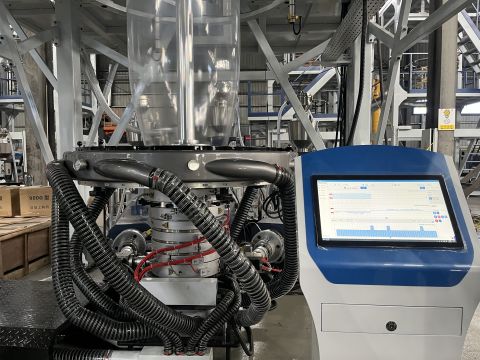
Good Vision & Motion: High Speed Quality Inspection System
Developed by Good Vision & Motion (Shenzhen) Co., Ltd., this high-speed quality inspection system is the only fully proprietary, full-stack industrial vision inspection solution engineered in China. The system supports operating speeds of up to 800 m/min, ultra-wide formats up to 10 meters, long-distance fiber-optic transmission over 1,000 meters, and micron-level imaging precision.
The system’s AI algorithms identify more than 20 types of defects and support split-track inspection, forward detection, and reverse rejection. The system also connects to MES systems to realize complete defect traceability. It has already achieved large-scale commercial deployment with leading global enterprises, including SIG Combibloc.
Moma Technology: Bubble Detection Method for Acoustic Adhesive Film
Developed by Shenzhen Moma Technology Co., Ltd., this bubble detection method for acoustic adhesive films targets the critical industry pain points of incomplete curing and solvent residue in speaker diaphragm damping films.
By inducing bubble generation through extreme high-temperature testing, the system performs real-time, online batch quality evaluations. This approach eliminates the issue of unpredictable curing periods caused by seasonal temperature fluctuations and prevents large-scale defects during downstream hot-press forming, significantly mitigating the risks of acoustic failure and material loss.
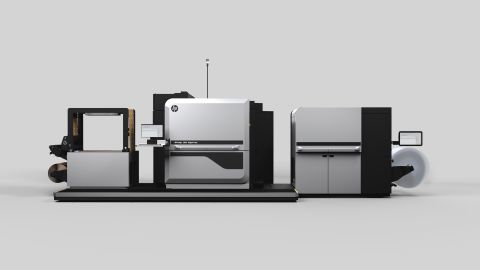
Hewlett-Packard: HP Indigo Digital Printing
HP Indigo digital printing technology is built upon liquid electrophotography (LEP) printing. It facilitates version changeovers and highly consistent color output without cylinder replacement, delivering a broad color gamut that covers over 97% of the Pantone spectrum.
The technology supports flexible printing formats, including proofing, prototyping, short-run production, multi-versioning, personalization, variable data printing, anti-counterfeiting, and one-item-one-code markings. It provides scalable, customized packaging solutions for leading global brands such as Coca-Cola, Nestlé, Oreo, and Heineken.
Conclusion
The competitive landscape of functional films is undergoing a fundamental shift from performance-driven metrics to a system-level capability competition.
In the past, evaluating a film manufacturer was relatively straightforward: success was measured by thinner gauges, higher barrier properties, and superior mechanical strength. However, this year’s 23 submissions show that leadership in a single performance metric is no longer a decisive market advantage.
Recyclability is rapidly evolving from a value-added feature into a market entry requirement. At the same time, high-end applications are redefining films from simple packaging materials into critical functional carriers that ensure battery cell safety, enable cold-chain visualization, and reinforce structural security glazing. Amid these shifts, the ability to maintain stable, large-scale mass production has emerged as the definitive moat for product competitiveness.
The leaders of the next industrial phase will not be defined by a single technological breakthrough. Instead, the ultimate winners will be the enterprises capable of consistently delivering across three dimensions: a fully recyclable product architecture, a high-end application-oriented portfolio, and an engineering foundation that guarantees stable, scalable mass production.