



















5 critical factors to evaluate when selecting a masterbatch supplier

Color masterbatch is the unsung hero of the plastics industry. It's the concentrated pigment formulation that gives plastic products their color, UV protection, and functional properties. But not all masterbatch is created equal—and the supplier you choose has a direct impact on your product quality, production efficiency, and bottom line.
Whether you're manufacturing packaging films, automotive parts, agricultural films, or consumer goods, selecting the right masterbatch supplier requires careful evaluation. After working with hundreds of plastic manufacturers over the past 25 years, we've identified five critical factors that separate reliable suppliers from problematic ones.
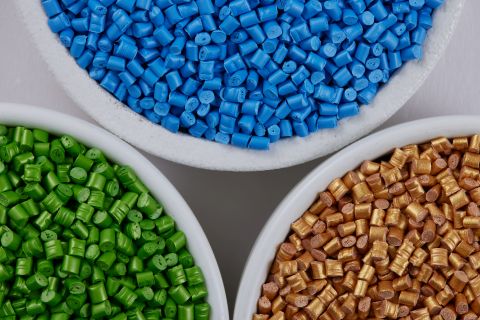
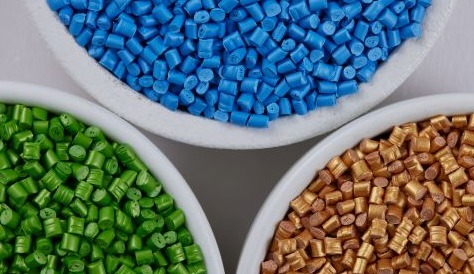
Choosing a right color masterbatch supplier has a direct impact on product quality and production efficiency. (Source: MHK Color)
1. Technical Expertise and Industry Experience
The first thing to evaluate is not the product—it's the people behind it.
A masterbatch supplier worth partnering with should have deep knowledge of polymer science, pigment chemistry, and processing technology. They should understand your specific application, whether it's blown film, injection molding, extrusion, or blow molding.
What to ask:
‧ How many years of experience does the company have in polymer coloring?
‧ Do they have a technical team that can recommend formulations for your specific resin and application?
‧ Can they provide case studies from clients in your industry?
Red flag:
A supplier who simply asks "what color do you want?" without understanding your polymer system, processing conditions, and performance requirements.
Experience matters because masterbatch formulation is a complex science. The same red pigment can behave differently in PE, PP, PET, or PVC. Carbon black content that works for a 200-micron film might cause dispersion problems in a 20-micron film. A supplier with genuine expertise will ask about your resin grade, processing temperature, let-down ratio, and end-use requirements before recommending a product.
2. Product Range and Customization Capability
Your supplier should offer both breadth and depth in their product portfolio. Standard products (black, white, primary colors) should be readily available off the shelf, while custom formulations should be developed quickly when needed.
Essential product categories:
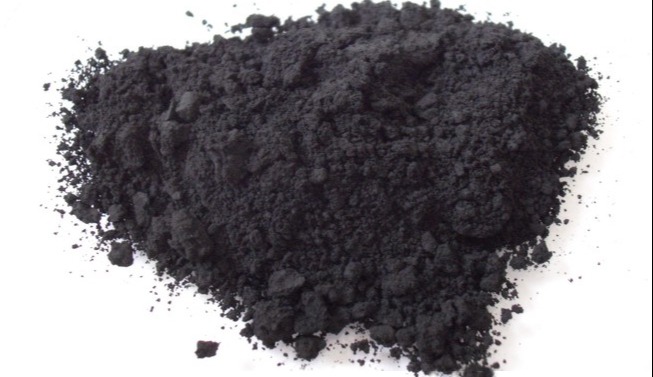
‧ Black masterbatch (various carbon black contents: 20%-50%)
‧ White masterbatch (TiO2 60%-75%)
‧ Color masterbatch (full spectrum, including custom color matching)
‧ Special effect masterbatch (metallic, pearlescent, matte, glow-in-dark)
‧ Functional additives (UV stabilizers, antistatic, slip/antiblock, desiccant, laser marking)
‧ Custom/polymer-specific formulations
Why customization matters:
Off-the-shelf products cover maybe 70% of common applications. But when you need a specific RAL or Pantone color match, a unique combination of additives, or a formulation for an unusual polymer like PPS or PEEK, your supplier's R&D capability becomes critical.
The ability to develop custom formulations quickly—ideally within 3-5 days for color matching—can be the difference between winning and losing a contract. Ask potential suppliers about their typical turnaround time for custom development and whether they have an in-house color matching lab.
3. Quality Control and Consistency
Inconsistent masterbatch is the number one cause of color variation in plastic products. A batch that's slightly off-specification can ruin an entire production run, resulting in rejected parts, customer complaints, and wasted material.
Quality indicators to look for:
‧ Batch-to-batch consistency: Ask for COA (Certificate of Analysis) from multiple batches and compare the data. Key metrics include pigment content, melt flow index, and color difference (Delta E).
‧ Testing capabilities: Does the supplier have in-house testing equipment? At minimum, they should have spectrophotometers for color measurement, melt flow indexers, and tensile testing equipment.
‧ Quality management system: ISO 9001 certification is the baseline. Suppliers with IATF 16949 (automotive) or ISO 22000 (food contact) demonstrate higher quality commitment.
‧ Traceability: Can the supplier trace each batch back to raw material lots? This is critical for regulated industries like food packaging and medical devices.
A practical test:
Request samples from three different production batches of the same product. Test them in your process. If you see visible color differences, walk away.
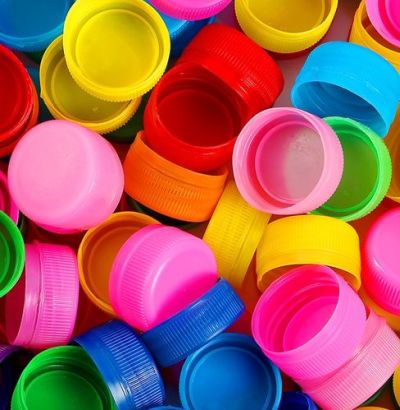
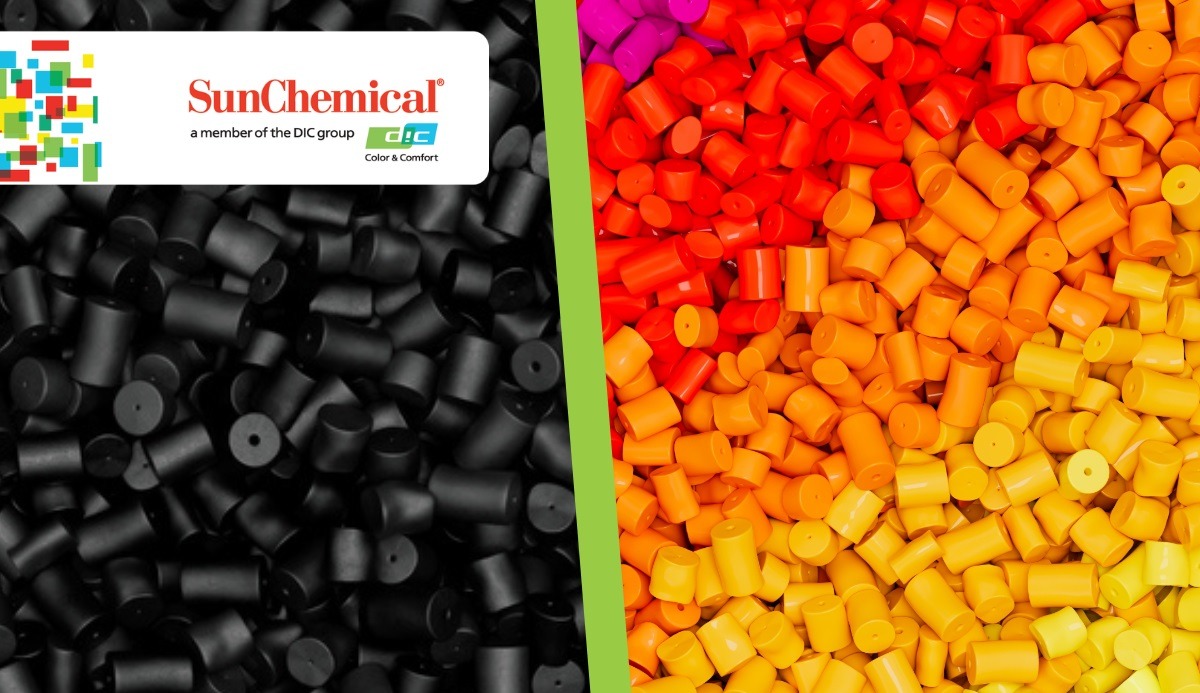
Inconsistent masterbatch is the number one cause of color variation in plastic products. (Source: MHK Color)
4. Production Capacity and Supply Reliability
The best masterbatch formulation in the world is worthless if it arrives two weeks late. Your supplier's production capacity and logistics capability directly affect your production schedule.
Key questions:
‧ Monthly capacity: Can they produce enough to meet your peak demand?
‧ Minimum order quantity (MOQ): Does their MOQ make sense for your production scale? A 25kg minimum is typical for standard products; custom formulations may require 500kg+.
‧ Lead time: Standard products should ship within 3-7 days. Custom formulations should be ready within 7-14 days.
‧ Raw material security: Do they maintain stock of critical raw materials (carbon black, TiO2, pigments) to buffer against supply chain disruptions?
‧ Logistics: Can they handle export documentation, provide proper packaging for sea freight, and offer flexible shipping terms (FOB, CIF, DDP)?
Watch out for:
‧ Suppliers who cannot provide a production timeline
‧ Extremely low prices that suggest they're using substandard raw materials
‧ No backup supply plan for critical materials
5. Regulatory Compliance and Sustainability
Regulatory requirements for plastic products are tightening globally. Your masterbatch supplier must keep pace with these changes or your products could face market access issues.
Critical compliance areas:
‧ REACH (EU): All substances must be registered. Ask for REACH compliance statements.
‧ FDA (US): For food contact applications, masterbatch must comply with 21 CFR regulations.
‧ RoHS: For electronics applications, heavy metal restrictions apply.
‧ SVHC (Substances of Very High Concern): Ensure the supplier's products don't contain restricted substances above thresholds.
‧ Food contact certifications: For food packaging, ask for migration test reports.
Sustainability credentials:
Sustainability is no longer optional—it's a competitive differentiator. Leading masterbatch manufacturers are developing:
‧ PCR (Post-Consumer Recycled) masterbatch that incorporates recycled content
‧ Bio-based carrier resins that reduce fossil fuel dependency
‧ NIR-detectable black masterbatch that enables recycling sorting
‧ Carbon-reduced formulations with lower embodied carbon
When evaluating a supplier's sustainability claims, ask for data: What percentage of recycled content? Has the carbon footprint been measured? Are there third-party certifications?
Conclusion
Selecting a masterbatch supplier is not a decision to be made on price alone. The cheapest supplier often becomes the most expensive when you factor in quality issues, production delays, and compliance failures.
The right supplier is a technical partner who understands your application, maintains consistent quality, invests in R&D, and supports your regulatory needs. By evaluating potential suppliers against these five factors—technical expertise, product range, quality control, supply reliability, and compliance—you can make an informed decision that protects your product quality and your brand reputation.
About the Author: MHK Color is a professional color masterbatch manufacturer with 25+ years of polymer coloring expertise, based in Foshan, China. We supply black, white, color, special effect, and functional additive masterbatch to B2B customers worldwide across packaging, automotive, agriculture, healthcare, and construction industries.