

















Food-Grade masterbatch compliance: What manufacturers need to know in 2026

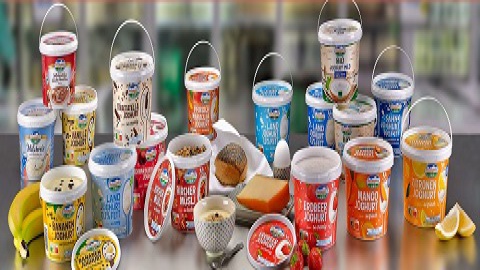
If your plastic product touches food—packaging film, containers, closures, utensils, or kitchenware—your masterbatch is part of the food-contact material and subject to the same compliance obligations as your base resin. This is a point many manufacturers overlook until a customer audit or regulatory inspection surfaces the problem.
Non-compliant colorants are one of the most common causes of food-contact material recalls and market access failures. A masterbatch that's "food-grade" in name but not in documentation offers no protection when regulators or customers ask for proof.
This guide explains what food-grade masterbatch actually means, which regulations apply, and how to verify compliance before you buy.
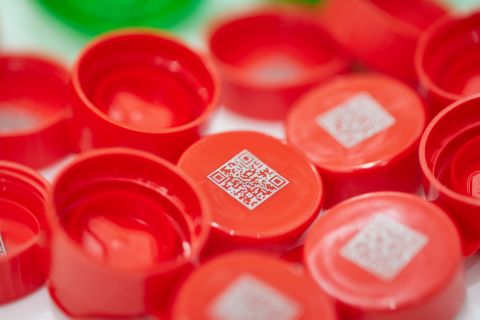
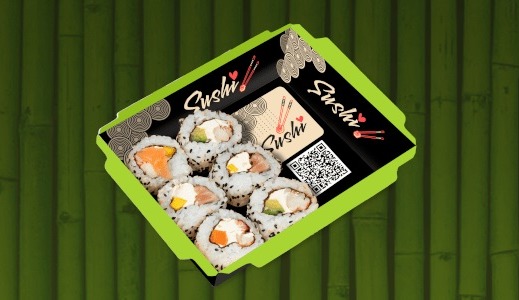
Masterbatch is part of the food-contact material and subject to the same compliance obligations as the base resin. (Source: MHK Color)
1. What "Food-Grade" Actually Means
A food-grade masterbatch is not simply a masterbatch made in a clean factory. It means the final colorant system, in the intended end-use and at the intended loading, migrates within the legal limits established for food contact.
Three components must all be compliant:
‧ Pigments and dyes: Must be approved for food contact (e.g., on positive lists) or demonstrate migration below limits.
‧ Carrier resin: Must be a food-contact-grade polymer with appropriate monomer limits.
‧ Additives and dispersants: Every functional additive in the formulation must also be food-contact compliant.
The compliance is evaluated on the finished article—the colored plastic product—not on the masterbatch in isolation. This is why your supplier must know your base resin, loading ratio, end-use application, and food type (aqueous, acidic, fatty, dry) to determine suitability.
2. The Three Regulatory Frameworks That Matter Most
United States — FDA 21 CFR:The FDA regulates food-contact materials under the Code of Federal Regulations. Colorants must be either listed in the appropriate sections (such as 21 CFR 178.3297 for colorants in polymers) or meet exemption criteria. The key concept is that each substance must be "suitable for its intended use."
European Union — EU 10/2011 (Plastics Regulation): The EU's framework is stricter and more documentation-heavy. All substances in the final plastic must be authorized and tested for specific migration limits (SMLs). The Regulation also requires a Declaration of Compliance (DoC) supported by migration testing under worst-case conditions.
China — GB 9685 / GB 4806 series: China's updated food-contact standards require positive-list compliance for additives and colorants, with specific migration limits and testing under GB 31604 methods. Exporters to China must ensure their masterbatch documentation aligns with these standards.
For manufacturers exporting to multiple markets, the practical answer is to source masterbatch that satisfies the strictest applicable standard, so one material covers the widest range of destinations.
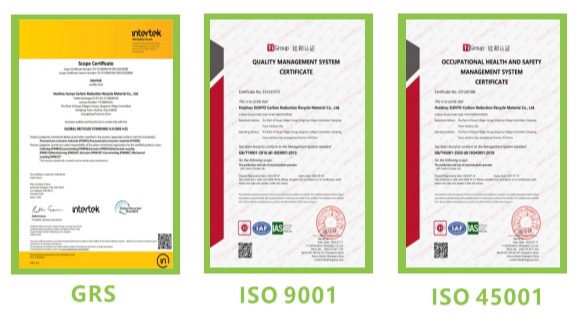
3. Documentation You Should Require from Your Supplier
Compliance is proven on paper, not by assertion. When sourcing food-grade masterbatch, require:
‧ Declaration of Compliance (DoC) for EU markets, referencing EU 10/2011 and the relevant test conditions
‧ FDA compliance statement identifying the applicable CFR sections
‧ Migration test reports conducted under conditions matching your actual use (food simulant, temperature, time)
‧ Positive-list references for all pigments and additives used
‧ Batch traceability linking each masterbatch lot to raw material certificates
A supplier who responds with "yes, it's food grade" but cannot provide these documents is not compliant in any meaningful sense. The documentation is the compliance.
4. Common Pitfalls That Cause Rejections
The "one-size-fits-all" mistake. A masterbatch compliant for dry food contact at room temperature may not be compliant for fatty foods at elevated temperature. The same formulation can pass for a bread bag but fail for a microwaveable container holding oily food.
Loading ratio changes compliance. Migration depends on concentration. If you increase the masterbatch loading to hit a deeper color, you change the migration profile. Always re-verify compliance at the actual loading you'll use.
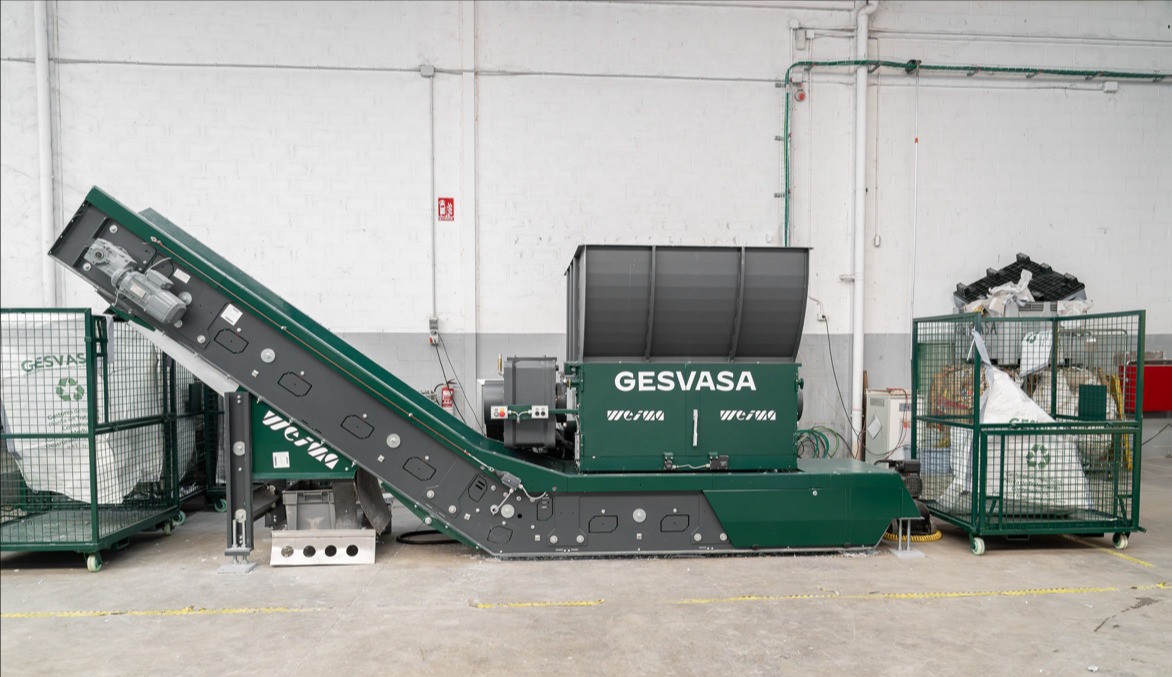
Mixing non-compliant colorants. A production line that alternates between food-grade and non-food-grade runs risks cross-contamination. Food-grade production requires dedicated equipment or rigorous changeover procedures.
Ignoring the finished-article test. Your base resin, processing conditions, and any other additives all affect final compliance. The masterbatch supplier's DoC is one input; the finished article may still require its own testing for your specific application.

A production line that alternates between food-grade and non-food-grade runs risks cross-contamination. (Source: MHK Color)
5. Beyond Compliance: What Buyers Are Asking For
Food-contact compliance is now table stakes. Increasingly, buyers in food and beverage packaging also ask for:
‧ Low odor and low taint: Colorants that don't impart taste or odor to food
‧ High purity: Low levels of heavy metals and restricted substances (beyond regulatory minimums)
‧ Sustainability documentation: Recycled content, carbon footprint, and recyclability support
‧ NIR-detectable options for packaging that must be sorted in recycling streams
Suppliers who can combine full food-contact compliance with these additional attributes give you a competitive advantage with demanding brand owners.
Conclusion
Food-grade masterbatch is a compliance discipline, not a product label. It requires approved pigments, food-contact-grade carriers, complete documentation, and verification against the specific end-use and loading you'll actually run.
Before you commit to a supplier, ask for the DoC, the migration test reports, and the positive-list references—and be specific about your base resin, food type, and use conditions. The suppliers who can answer precisely are the ones who will keep your products on the shelf and out of regulatory trouble.
About the Author: MHK Color is a professional masterbatch manufacturer with 25+ years of polymer coloring expertise, based in Foshan, China. We supply food-grade masterbatch compliant with FDA, EU 10/2011, and GB 9685, with complete migration documentation and batch traceability.