















Clariant EnviCat NSCR catalyst exceeds emission reduction targets at Rustavi Azot nitric acid plant of Indorama Group

Clariant announced that its EnviCat NSCR non-selective catalytic reduction catalyst surpassed guaranteed emissions reduction targets at the nitric acid production plant of AO Rustavi Azot in Georgia.
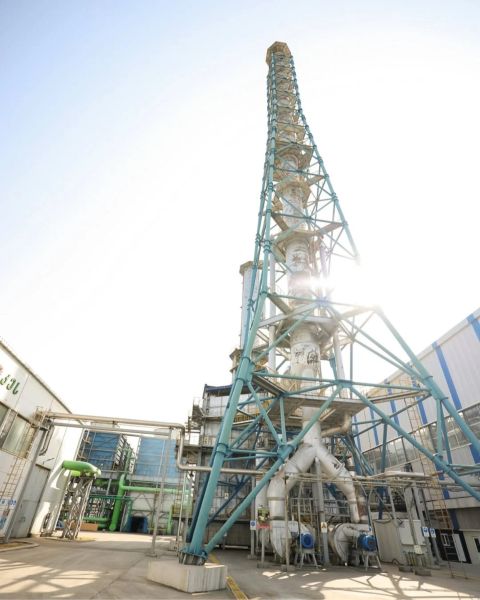
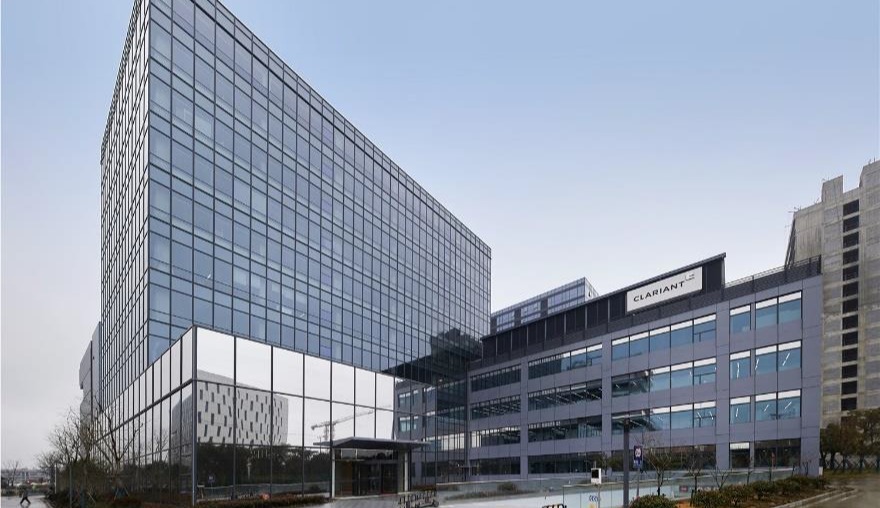
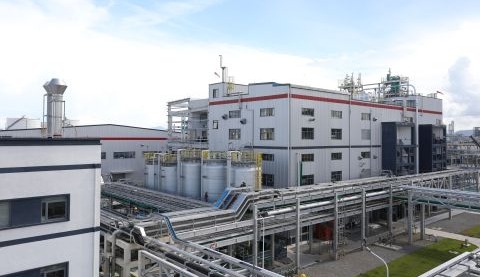
The nitric acid plant of JSC Rustavi Azot, part of Indorama, in Rustavi, Georgia, where Clariant's EnviCat NSCR catalyst is installed.
The project was executed in collaboration with Alvigo, Clariant's engineering partner, and received partial subsidization from NACAG (Nitric Acid Climate Action Group), part of GIZ (Deutsche Gesellschaft für Internationale Zusammenarbeit).
“The results at Rustavi Azot demonstrate that high performance and economic viability are fully compatible. Together with our partner Alvigo, we are proud to be contributing to the decarbonization of nitric acid production in Georgia and beyond,” said Nora Schiefenhoevel, Vice President and Head of Clariant Specialty Catalysts.
Effective and economically viable solution for existing reactor
Founded in 1956 and a member of the Indorama Group since 2023, JSC Rustavi Azot operates a nitric acid unit that had been in continuous service for decades, with its last reactor revamp approximately 15 years ago.
The plant was operating with an aging high-palladium-loading alumina bulk NSCR catalyst for NOx removal, risking non-compliance with emissions regulations.
"Our requirements were straightforward: reduce emissions, preserve our existing unit, and keep costs manageable. The EnviCat NSCR catalyst delivered on every aspect and went further than anticipated," commented Gocha Kartelishvili, Chief Engineer at JSC Rustavi Azot.
Honeycomb shape contributes
In operation, the honeycomb catalyst reduced nitrogen oxides (NOx) by 98.97% and nitrous oxide (N2O) by 97.8%, exceeding the guaranteed thresholds of 95% for both pollutants.
Due to its honeycomb shape, EnviCat NSCR carries a significant cost advantage over conventional bulk catalysts and can be easily configured to a plant’s existing reactor, eliminating the need for capital-intensive infrastructure changes.
The catalyst uses methane as a reducing agent to convert up to 95% of NOx and N2O into harmless nitrogen and water.
The exceptional results at the JSC Rustavi Azot plant are consistent with the long-term reliability demonstrated across the catalyst’s reference portfolio. Designed for tail-gas temperatures above 400°C, EnviCat NSCR offers high temperature stability, with monoliths featuring a large surface area that delivers low pressure drop and a long operating life.