













Medical
Market experts attend Medical Grade Polymers conference
Sep 24, 2007

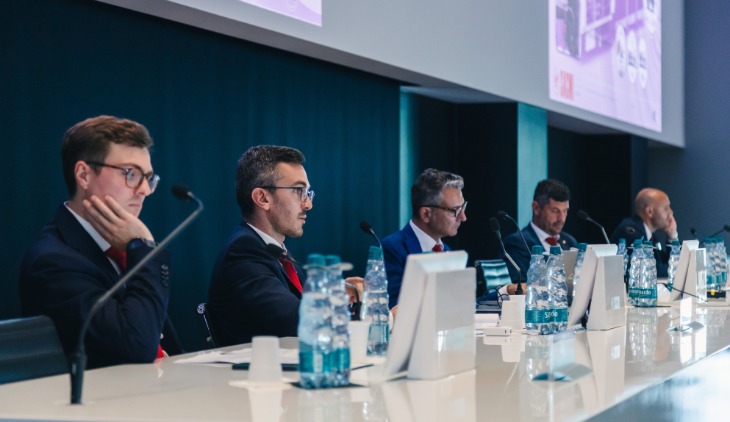
The recent AMI conference on Medical Grade Polymers, held on Sept 12-13, 2007 in Philadelphia, US, attracted a cross-section of the medical device industry. There were a lot of mechanical engineers visiting to try to understand the materials that they have to work with and the materials suppliers were happy to provide the information.
The global medical device/equipment market was valued at US$165 billion in 2006 with a further US$600 billion in pharma. 54% of devices are used in the US, 25% in Western Europe and 17% in Asia-Pacific. With the ageing population this market is set to grow with patients requiring more user-friendly products. Clare Frissora (SABIC Innovative Materials) described the gamma irradiation stable polycarbonate and compounds with enhanced lubricity, allowing for ease of movement of parts. The Ultem range offers biocompatibility, autoclavability and chemical resistance.
Jim Hicks (Solvay Advanced Polymers) covered the issues in plastic to metal conversion. This is being done to reduce weight and to save costs (metals such as titanium are high price). Computer aided engineering is used to predict material behaviour. Generally the designs have to be adapted to the properties of the plastic. They have helped to develop a range of products including surgical instruments such as retractors.
Dr Mattamal (FDA) gave an overview of approvals and in particular adhesives. The Medical Device User Fee and Modernization Act (MDUFMA) includes user fees for premarket reviews of new products, from US$4,000 for Class I and II to US$200,000 for Class III devices. He commented that it had taken 34 years for the FDA to approve the higher level cyanoacrylate adhesives. George Cramer (Adhesives Research) has worked with pressure sensitive adhesives used in device assembly and applications such as electrodes, drug delivery, wound care, diagnostic devices and capillary flow devices. Ken Morton (Dymax) described the capabilities of light cure adhesives, currently used in cardiac catheters, balloon catheters, needle hubs, laryngeal masks, endotracheal tubes, etc. New colour technology indicates if the adhesive is fully cured - a form of quality control.
Mark Yeager (Bayer Material Science) looked at molding efficiency including factors such as wall thickness, cooling time and ease of assembly. High quality materials such as polycarbonate can reduce failure rates. The material supplier is used to working with manufacturers in the whole material selection and manufacturing process.
Sterilization is a big issue in the device industry with the aggressive techniques being used to try to prevent the spread of Mad Cow Disease. Josh Blackmore (RTP) reported on the effects of gamma sterilization on TPEs. It can cause discoloration and property changes and needs to be tested for each product. Bob Wells (Saint-Gobain Performance Plastics) looked at the compounding of SEBS thermoplastic elastomers, which can give a broad range of properties. Around 2% of the SBC market is medical compounds. TPEs are used in gaskets, seals, closures, tubing and overmolding.
Brent Hindman of JOA described the link between surface defects and particulate contaminants in manufacturing and innovative clean room technology.
Donald Dodge gave an overview of the implantable wires from Calmont Wire and Cable. The three principal polymer insulation materials are Teflon (tough, high dielectric strength, colourable), polyurethane (tough, flexible, colourable and impermeable) and silicones (flexible, colourable, and permeable).
Rakesh Kumar (Specialty Coating Systems) looked at the use of parylene (a vapor deposited fluoropolymer coating) to protect implanted devices such as electronics, cochlear implants and pacemakers.
André Colas of Dow Corning has extensive experience in silicones - there are 358 registered products in pharma compendia alone. The elastomers reduce encrustation in urinary catheters reducing patient pain on removal. They have a wide range of device applications from electrical insulation to skin prostheses and dressings. The permeability to oxygen allows the skin to breathe.
Michael Hansen of Mack Molding gave the molders view. The material specification is increasingly moving to the molder who has to work closely with the designers to meet all the requirements and figure out how to manufacture the device. It is not uncommon to work with a range of materials and a series of moulding sequences to produce a product. For example, one battery case had a clear polycarbonate window insert molded with a rigid case and insert overmolded with an elastomeric seal material. In another case a surgical instrument was overmolded with a soft touch handle material - this required a hard PP base and a TPE-O for softness. He has also worked on metal to plastic conversions.
Christian Bonten of BASF described MABS - a clear ABS with good impact strength, sterilizability and chemical resistance that has been tested and has a drug master file number. The company has an expensive policy of keeping all parts of the production process consistent to support medical device manufacturers and give 36 months notice of changes.
Peter Colburn (Cyro Industries) looked at diagnostic devices from acrylic materials with high clarity. As many tests are performed using light transmittance from samples contained in the acrylic, the optical requirements are high. These can be affected by factors such as lubricants and the processing temperature.
Claudia Vaz (DSM Dyneema) has worked on the biocompatibility of UHMWPE fibers, which are difficult to produce but offer excellent strength for sutures and fixation devices as they combine strength with 'the softness of silk'.
Tony Walder (Lubrizol Advanced Materials) looked at the uses of thermoplastic polyurethanes in medical devices - the variable chemistry means that they can be adapted. They offer flexibility, strength, biocompatibility, softening and ease of processing. Polycarbonate based polyurethanes are being used in long-term implants.
Medical Grade Polymers 2007 provided a place for mechanical engineers to meet chemists and work together on the challenges of producing safe medical devices.
The global medical device/equipment market was valued at US$165 billion in 2006 with a further US$600 billion in pharma. 54% of devices are used in the US, 25% in Western Europe and 17% in Asia-Pacific. With the ageing population this market is set to grow with patients requiring more user-friendly products. Clare Frissora (SABIC Innovative Materials) described the gamma irradiation stable polycarbonate and compounds with enhanced lubricity, allowing for ease of movement of parts. The Ultem range offers biocompatibility, autoclavability and chemical resistance.
Jim Hicks (Solvay Advanced Polymers) covered the issues in plastic to metal conversion. This is being done to reduce weight and to save costs (metals such as titanium are high price). Computer aided engineering is used to predict material behaviour. Generally the designs have to be adapted to the properties of the plastic. They have helped to develop a range of products including surgical instruments such as retractors.
Dr Mattamal (FDA) gave an overview of approvals and in particular adhesives. The Medical Device User Fee and Modernization Act (MDUFMA) includes user fees for premarket reviews of new products, from US$4,000 for Class I and II to US$200,000 for Class III devices. He commented that it had taken 34 years for the FDA to approve the higher level cyanoacrylate adhesives. George Cramer (Adhesives Research) has worked with pressure sensitive adhesives used in device assembly and applications such as electrodes, drug delivery, wound care, diagnostic devices and capillary flow devices. Ken Morton (Dymax) described the capabilities of light cure adhesives, currently used in cardiac catheters, balloon catheters, needle hubs, laryngeal masks, endotracheal tubes, etc. New colour technology indicates if the adhesive is fully cured - a form of quality control.
Mark Yeager (Bayer Material Science) looked at molding efficiency including factors such as wall thickness, cooling time and ease of assembly. High quality materials such as polycarbonate can reduce failure rates. The material supplier is used to working with manufacturers in the whole material selection and manufacturing process.
Sterilization is a big issue in the device industry with the aggressive techniques being used to try to prevent the spread of Mad Cow Disease. Josh Blackmore (RTP) reported on the effects of gamma sterilization on TPEs. It can cause discoloration and property changes and needs to be tested for each product. Bob Wells (Saint-Gobain Performance Plastics) looked at the compounding of SEBS thermoplastic elastomers, which can give a broad range of properties. Around 2% of the SBC market is medical compounds. TPEs are used in gaskets, seals, closures, tubing and overmolding.
Brent Hindman of JOA described the link between surface defects and particulate contaminants in manufacturing and innovative clean room technology.
Donald Dodge gave an overview of the implantable wires from Calmont Wire and Cable. The three principal polymer insulation materials are Teflon (tough, high dielectric strength, colourable), polyurethane (tough, flexible, colourable and impermeable) and silicones (flexible, colourable, and permeable).
Rakesh Kumar (Specialty Coating Systems) looked at the use of parylene (a vapor deposited fluoropolymer coating) to protect implanted devices such as electronics, cochlear implants and pacemakers.
André Colas of Dow Corning has extensive experience in silicones - there are 358 registered products in pharma compendia alone. The elastomers reduce encrustation in urinary catheters reducing patient pain on removal. They have a wide range of device applications from electrical insulation to skin prostheses and dressings. The permeability to oxygen allows the skin to breathe.
Michael Hansen of Mack Molding gave the molders view. The material specification is increasingly moving to the molder who has to work closely with the designers to meet all the requirements and figure out how to manufacture the device. It is not uncommon to work with a range of materials and a series of moulding sequences to produce a product. For example, one battery case had a clear polycarbonate window insert molded with a rigid case and insert overmolded with an elastomeric seal material. In another case a surgical instrument was overmolded with a soft touch handle material - this required a hard PP base and a TPE-O for softness. He has also worked on metal to plastic conversions.
Christian Bonten of BASF described MABS - a clear ABS with good impact strength, sterilizability and chemical resistance that has been tested and has a drug master file number. The company has an expensive policy of keeping all parts of the production process consistent to support medical device manufacturers and give 36 months notice of changes.
Peter Colburn (Cyro Industries) looked at diagnostic devices from acrylic materials with high clarity. As many tests are performed using light transmittance from samples contained in the acrylic, the optical requirements are high. These can be affected by factors such as lubricants and the processing temperature.
Claudia Vaz (DSM Dyneema) has worked on the biocompatibility of UHMWPE fibers, which are difficult to produce but offer excellent strength for sutures and fixation devices as they combine strength with 'the softness of silk'.
Tony Walder (Lubrizol Advanced Materials) looked at the uses of thermoplastic polyurethanes in medical devices - the variable chemistry means that they can be adapted. They offer flexibility, strength, biocompatibility, softening and ease of processing. Polycarbonate based polyurethanes are being used in long-term implants.
Medical Grade Polymers 2007 provided a place for mechanical engineers to meet chemists and work together on the challenges of producing safe medical devices.
原创,请勿转载
Specials



US
CHUZHOU SEP MATERIAL CO,LTD.
XUCHANG XINSHENGYANG NEW MATERIAL TECHNOLOGY CO.,LTD
JIASHAN ITAFLON FLUORO TECHNOLOGY CO.,LTD.

JINPAN MOULD PARTS (HK) CO., LTD.
GP MATERIALS TECHNOLOGY(SHANDONG)CO., LTD

CHANGLONG SCIENCE & TECHNOLOGY(YANGJIANG)CO.,LTD.

Guangdong Benqi Eco-New Material co.,ltd

Gienkee Plas Science & Technology (Shanghai) Co., Ltd.

Guangdong Liansu Machinery Manufacturing Co.,ltd


Comments




Specials
Automotive
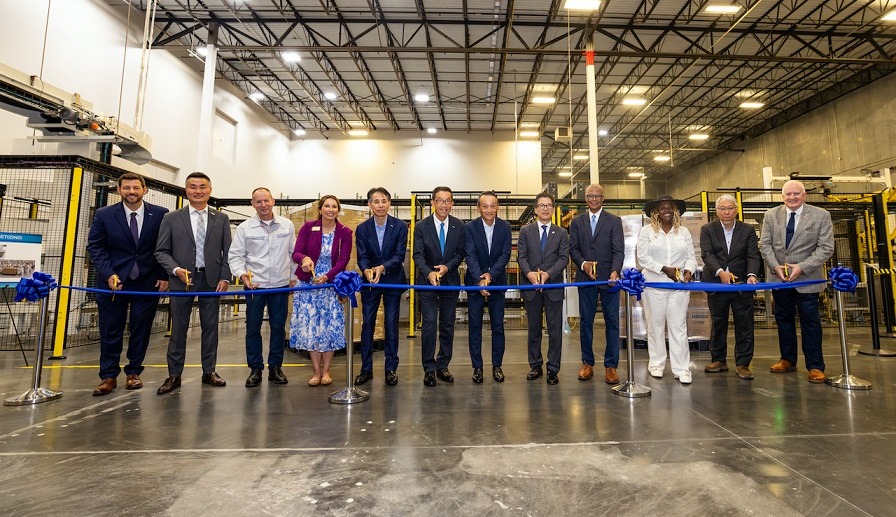
Asahi Kasei announced the official opening of its new Hipore wet-process lithium-ion battery separator coating line in Charlotte, North Carolina, US.
Aug 28, 2026
Corporate News
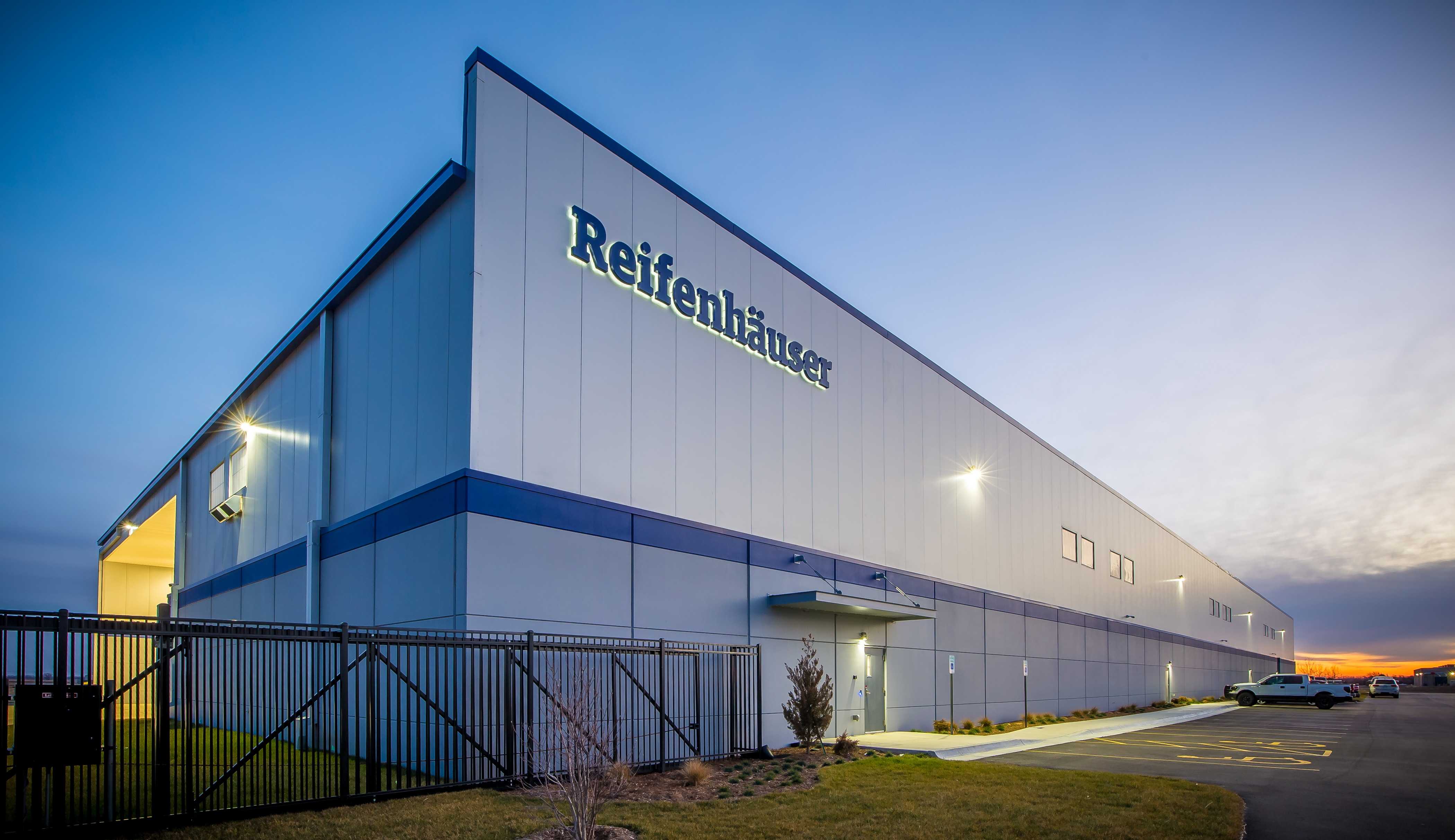
Over the past 12 months, the organization has been significantly reinforcing sales, service, and customer care, strengthening its ability to provide direct, knowledgeable, hands-on support close to customers’ operations.
Aug 7, 2026

Corporate News
As a multi-million-dollar investment, the expansion is expected to add over 30% capacity in the the company’s US manufacturing footprint.
Jul 10, 2026
Chemicals
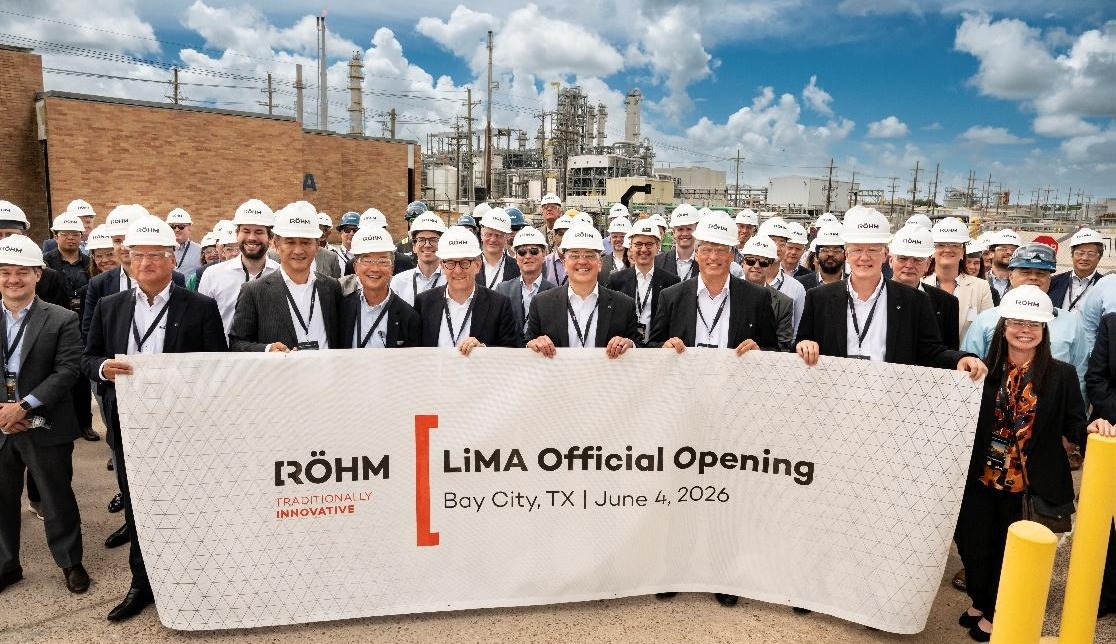
For the first time worldwide, Röhm’s proprietary LiMA technology has been operating at full industrial scale at its Bay City methyl methacrylate (MMA) plant in Texas, the US.
Jun 12, 2026

Corporate News
INVISTA announced a set of proposed strategic actions that aims to strengthen its global operating footprint and position the business for long-term competitiveness.
Jan 19, 2026

Corporate News
SABIC divests its European Petrochemicals business to AEQUITA and its Engineering Thermoplastics business in the Americas and Europe to MUTARES, for a total combined enterprise value of US$950 million.
Jan 12, 2026