













Why Do LNG Valve Seals Always "Crack" Below −100 °C?

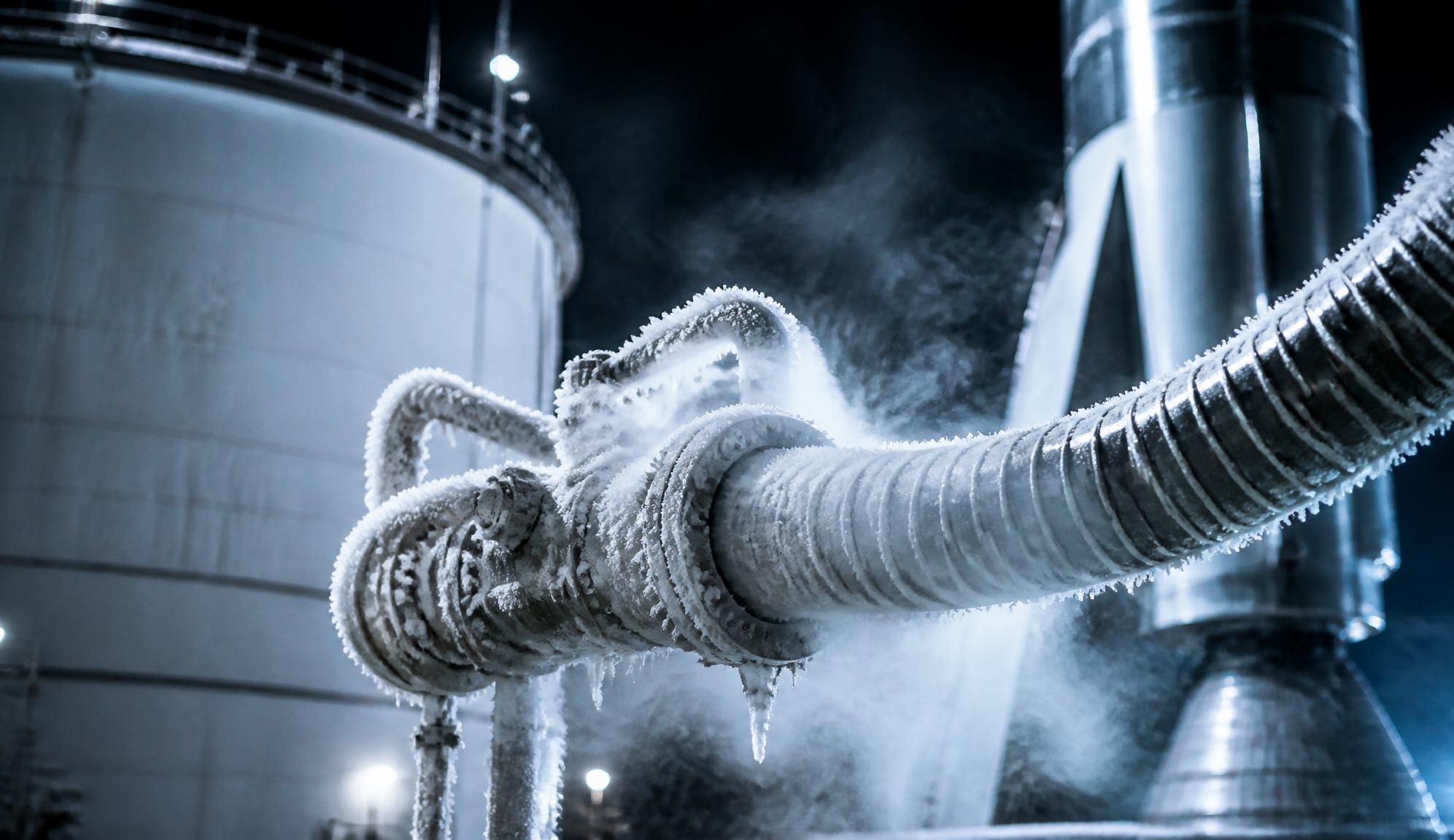
On the maintenance floor, an LNG loading arm was just opened up — the seal crumbled like crisp bread. Lab-rated "tough below −100 °C" — yet gone on first real-world contact. PE shakes its head nearby: "I fear water." PTFE sighs: "I wear fast." Nylon throws up its hands: "I wilt at acid." Only PCTFE steps silently onto the floor.
Seal Parts: Four Properties, Every LNG Critical Node Covered
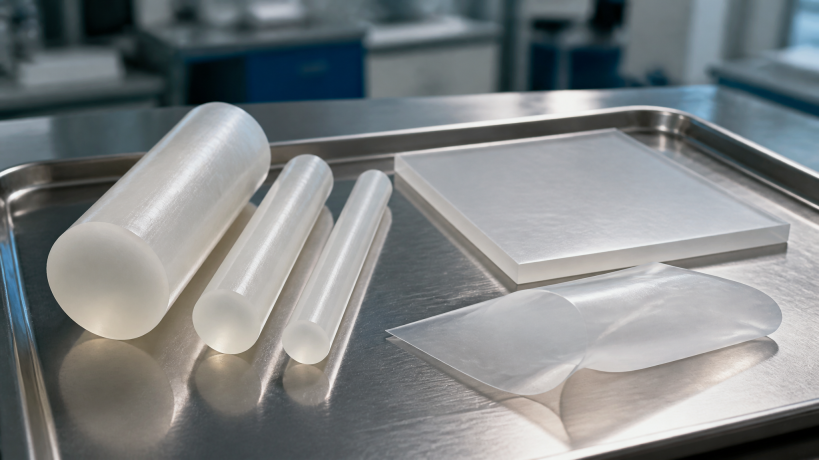
toughness below −100 °C, creep-and-vibration resistance, chemical resistance, low-temperature-fluid barrier — covering LNG valves, LNG loading arms, LNG low-temperature pipelines and LNG cryogenic-system shielding.
Film: Three Core Skills Guard Sensitive Scenes
Cast film — moisture barrier for pharma blister and electronics in high-humidity / salt-spray environments; cryogenic toughness for frozen-cell storage tubes, stem-cell droplets and platelet bags; UV resistance for high-UVC-transmission flexible plastic parts. Thickness, width and grade tunable to your line.
Looking for the DFLON grade that fits your process?
👇 Send inquiry now
DSP CHEMICAL CO.,LTD - Adsale Plastics Network