













Recycling
WRAP launches project to demonstrate closed-loop recycling of WEEE plastics
Aug 1, 2006

An open tender has been launched by WRAP (the Waste & Resources Action Programme) inviting bids which will increase the use of recycled plastic materials within the Electrical and Electronic Equipment (EEE) industry.
The tender forms part of WRAP's newly announced Manufacturing programme, which aims to maximize the recyclate used in UK manufacturing through a number of major shifts from virgin to recycled material.
To stimulate early development in the key area of EEE plastics, WRAP is inviting directed research tenders that demonstrate on a large scale: the technical ability to recycle waste EEE (WEEE) plastics into materials suitable for use in the manufacture of new EEE products; the economic viability of the recycling opportunity; and the environmental impact of the recycling opportunity, in comparison with the use of virgin materials. In particular, WRAP is interested in proposals that involve EEE manufacturing opportunities with major Original Equipment Manufacturers (OEMs).
Gerrard Fisher, WRAP's Manufacturing Development Project Manager, said: "We want to kick-start the closed-loop recycling of EEE plastics: this project aims to demonstrate the technical feasibility on a large scale, along with the economic and environmental benefits of doing it. By encouraging major OEMs to get involved we aim to make this an opportunity that they can continue to exploit once the project is completed.
"WRAP's previous projects on recycled PET for food applications have shown that recycled materials can perform in demanding applications, we'd like to repeat that success in the EEE sector."
原创,请勿转载
Specials




Recycling




Comments



Specials
Packaging
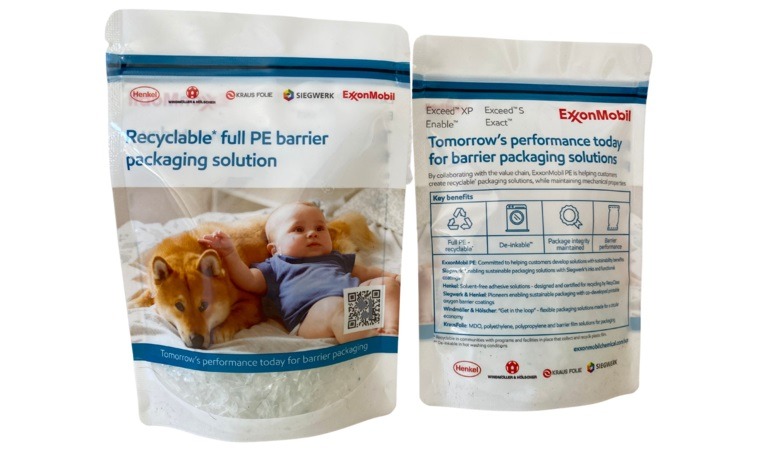
The patented technology covers solvent-based and water-based deinking primer technologies, while Siegwerk's broader deinking portfolio also includes solutions for UV printing applications.
Nov 5, 2026

Packaging
Avery Dennison is now the first manufacturer to offer an RFID solution recognized by both major regional bodies for compatibility with mechanical PET recycling streams.
Nov 5, 2026
Recycling
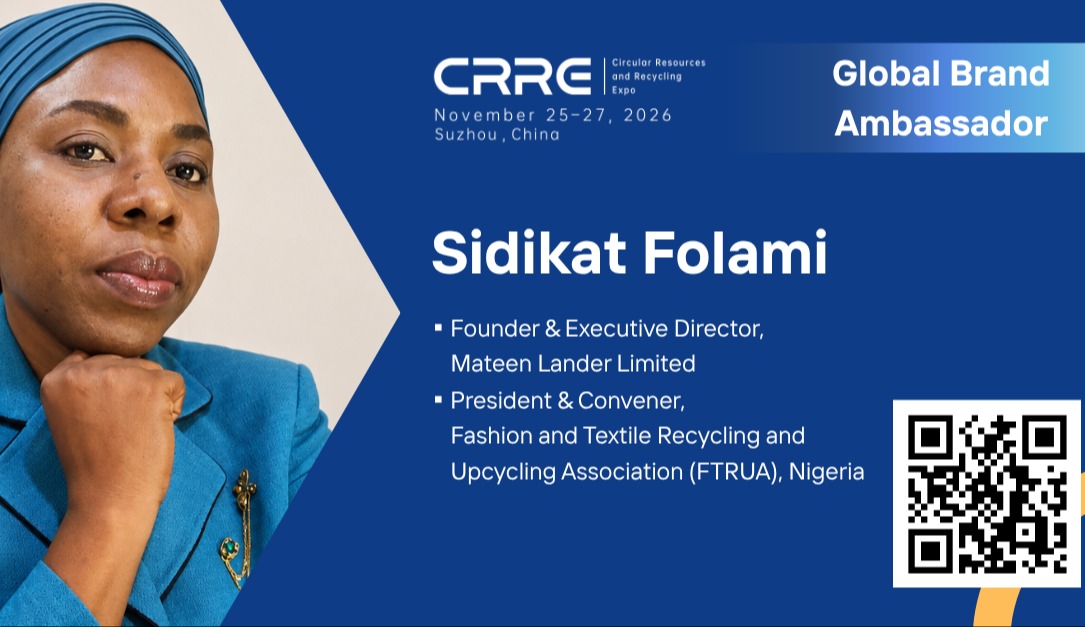
The Circular Resources and Recycling Expo (CRRE) recently spoke with Sidikat Folami, President of the Fashion and Textile Recycling & Upcycling Alliance (FTRUA).
Nov 4, 2026
Recycling
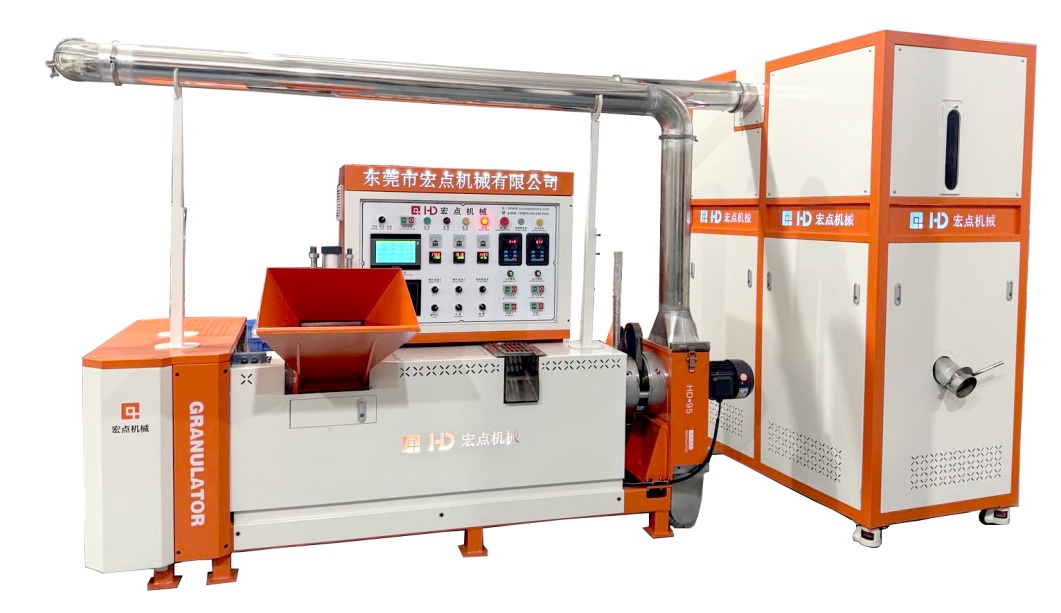
The company's competitive advantage is low-temperature extrusion combined with air-cooled hot-cut and air-cooled strand pelletizing, across single-screw, twin-screw, and complete recycling lines.
Nov 2, 2026

Automotive
This plan highlights a potential future business line even as the site faces possible closure from the early 2030s under the group's restructuring.
Oct 30, 2026
Recycling
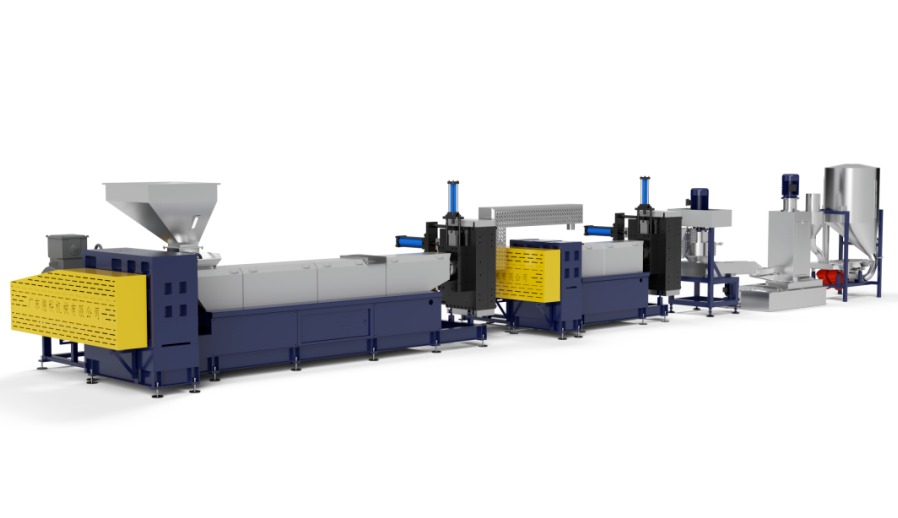
A pelletizing line's output depends on more than its extruder. Feeding, strand cutting, dewatering, and drying interact, and a weak link in any stage shows up in pellet quality and line stability.
Oct 29, 2026