

















Automotive
BASF introduces new TPU technologies for automotive interior applications
Jul 14, 2006

BASF has launched two new technologies in its Elastollan thermoplastic polyurethanes (TPU) product line for automotive interior applications.
Both materials combine the inherent attributes of TPU - weatherability, colorfastness, scratch and mar resistance, soft touch and easy processing - with enhanced features that enable TPU to be a viable material for automotive interior end uses.
Elastollan LP9277 (68A) and LP9299 (60A) aliphatic HPM TPUs both yield the necessary attributes for interior soft trim applications of soft touch without the use of plasticizer and good weatherability. In addition to achieving an appealing surface finish, these components feature the good scratch and mar resistance of TPU-based products, good color fastness and low fogging. The good substrate adhesion of this TPU series also makes it ideal for over-molding end uses.
BASF also introduced an aliphatic slush-molding grade, Elastollan SP9269 TPU, for instrument panel skins with good heat-aging resistance, and the ability to produce a seamless air bag design. Even though the Elastollan TPU technology is more complex than polyvinyl chloride (PVC)-based systems, it can produce instrument panel skins with very low scrap rates of less than 4% in commercial applications.
Both materials combine the inherent attributes of TPU - weatherability, colorfastness, scratch and mar resistance, soft touch and easy processing - with enhanced features that enable TPU to be a viable material for automotive interior end uses.
Elastollan LP9277 (68A) and LP9299 (60A) aliphatic HPM TPUs both yield the necessary attributes for interior soft trim applications of soft touch without the use of plasticizer and good weatherability. In addition to achieving an appealing surface finish, these components feature the good scratch and mar resistance of TPU-based products, good color fastness and low fogging. The good substrate adhesion of this TPU series also makes it ideal for over-molding end uses.
BASF also introduced an aliphatic slush-molding grade, Elastollan SP9269 TPU, for instrument panel skins with good heat-aging resistance, and the ability to produce a seamless air bag design. Even though the Elastollan TPU technology is more complex than polyvinyl chloride (PVC)-based systems, it can produce instrument panel skins with very low scrap rates of less than 4% in commercial applications.
原创,请勿转载
Specials




Interior
Automotive
BASF








Comments




Specials
Chemicals
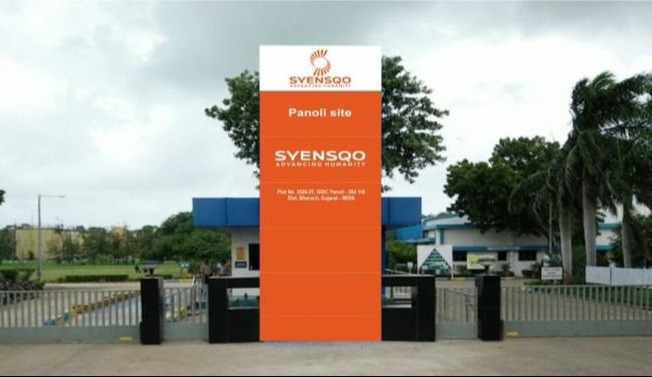
Syensqo is investing in a new compounding line for high-performance aromatic polymers at its Panoli site in India, strengthening its ability to serve customers in one of the world’s fastest-growing automotive markets.
Sep 8, 2026
Injection
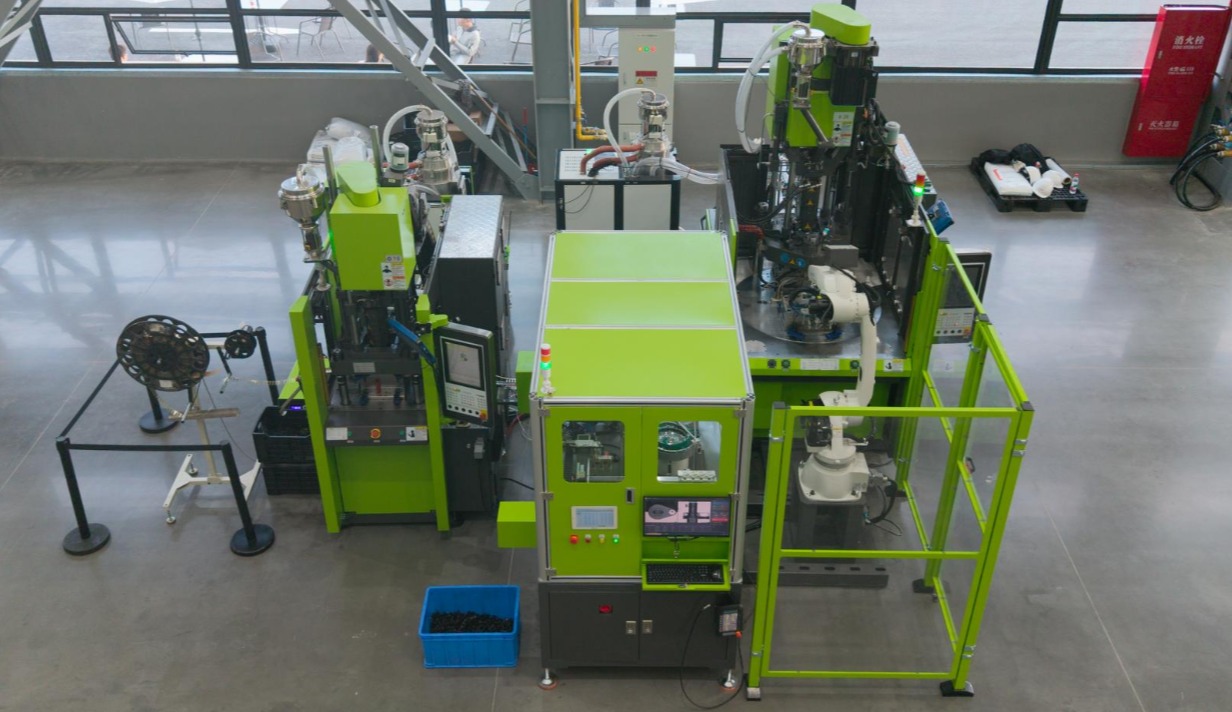
All‑in‑One ABS Sensor Solution: One solution for precision insert molding and housing encapsulation. Strip feeding, insert molding, housing encapsulation and finished-part takeout.
Aug 31, 2026
Automotive
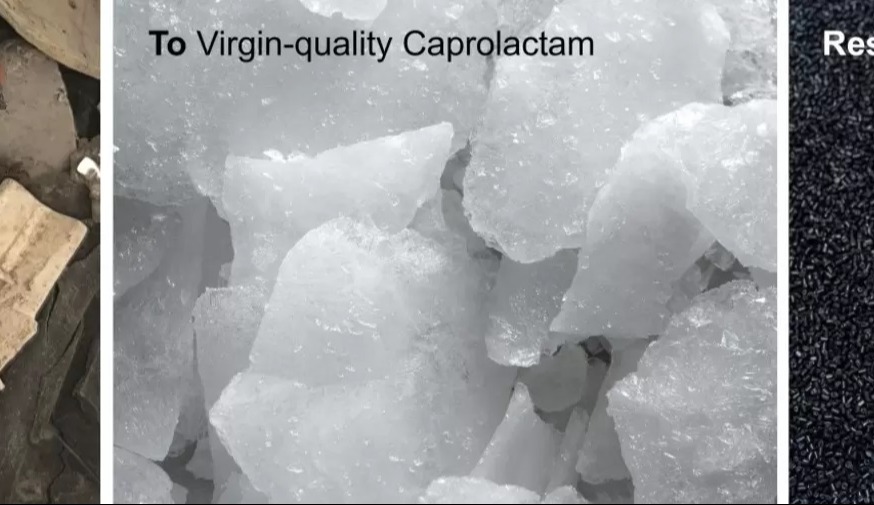
Envalior and SECARA collaborate to test and validate pathways to incorporate high-quality PCR content into technical material grades based on SECARA’s novel catalytic depolymerization process.
Aug 28, 2026
Automotive
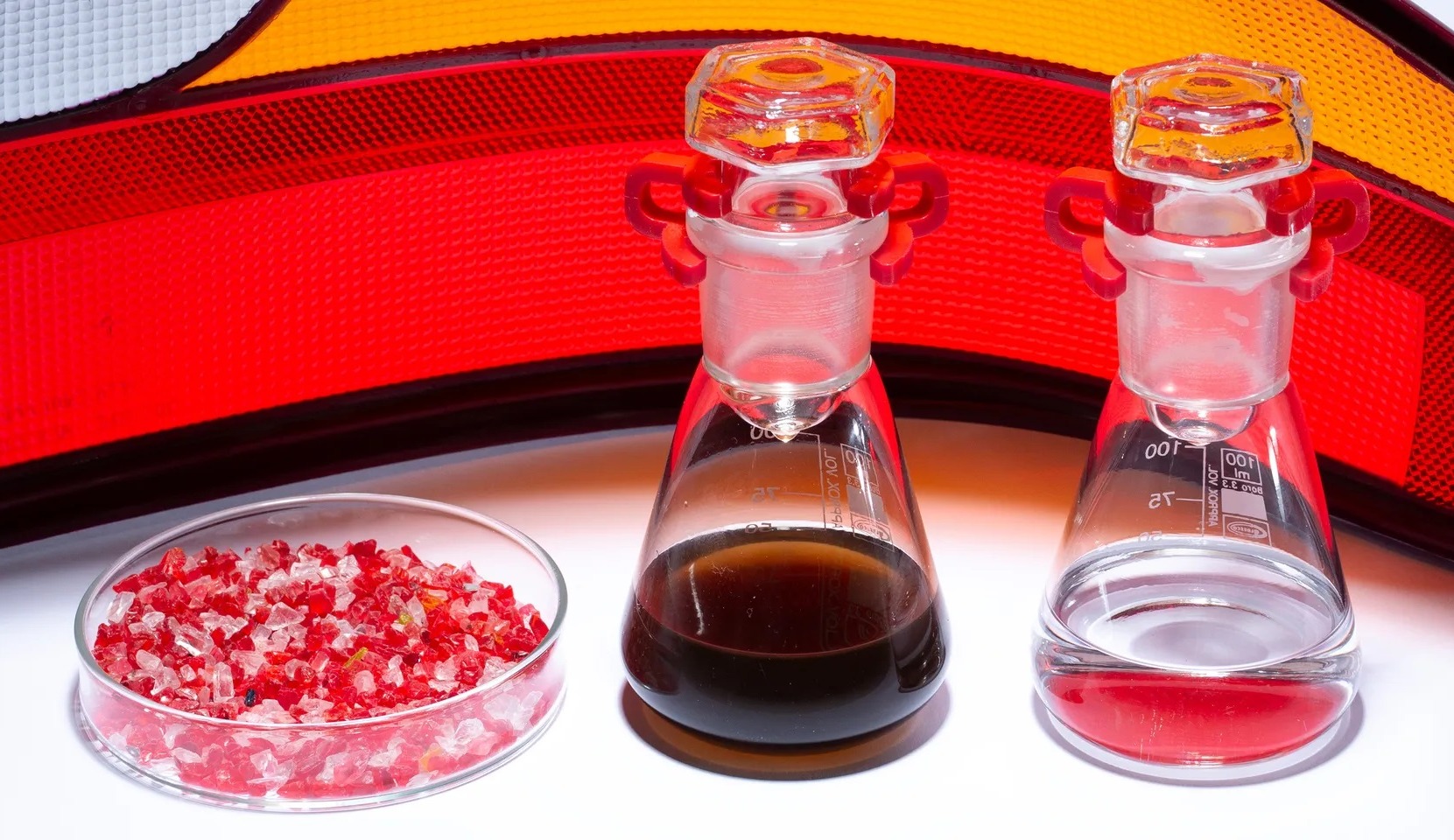
As EU’s End-of-Life Vehicles Regulation was confirmed, Röhm’s PLEXIGLAS PMMA contributes to the circularity in future mobility, supporting customers with recycled materials.
Aug 27, 2026
Chemicals
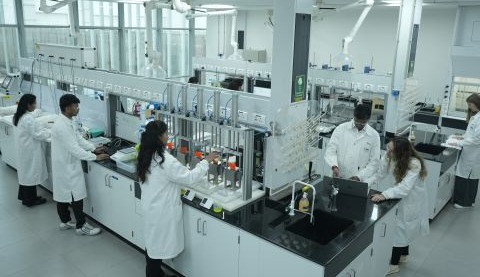
BASF has officially inaugurated its new Performance Lab for diapers and superabsorbents in Mumbai, India, which will provide technical and application services to superabsorbent customers globally.
Aug 27, 2026
Automotive
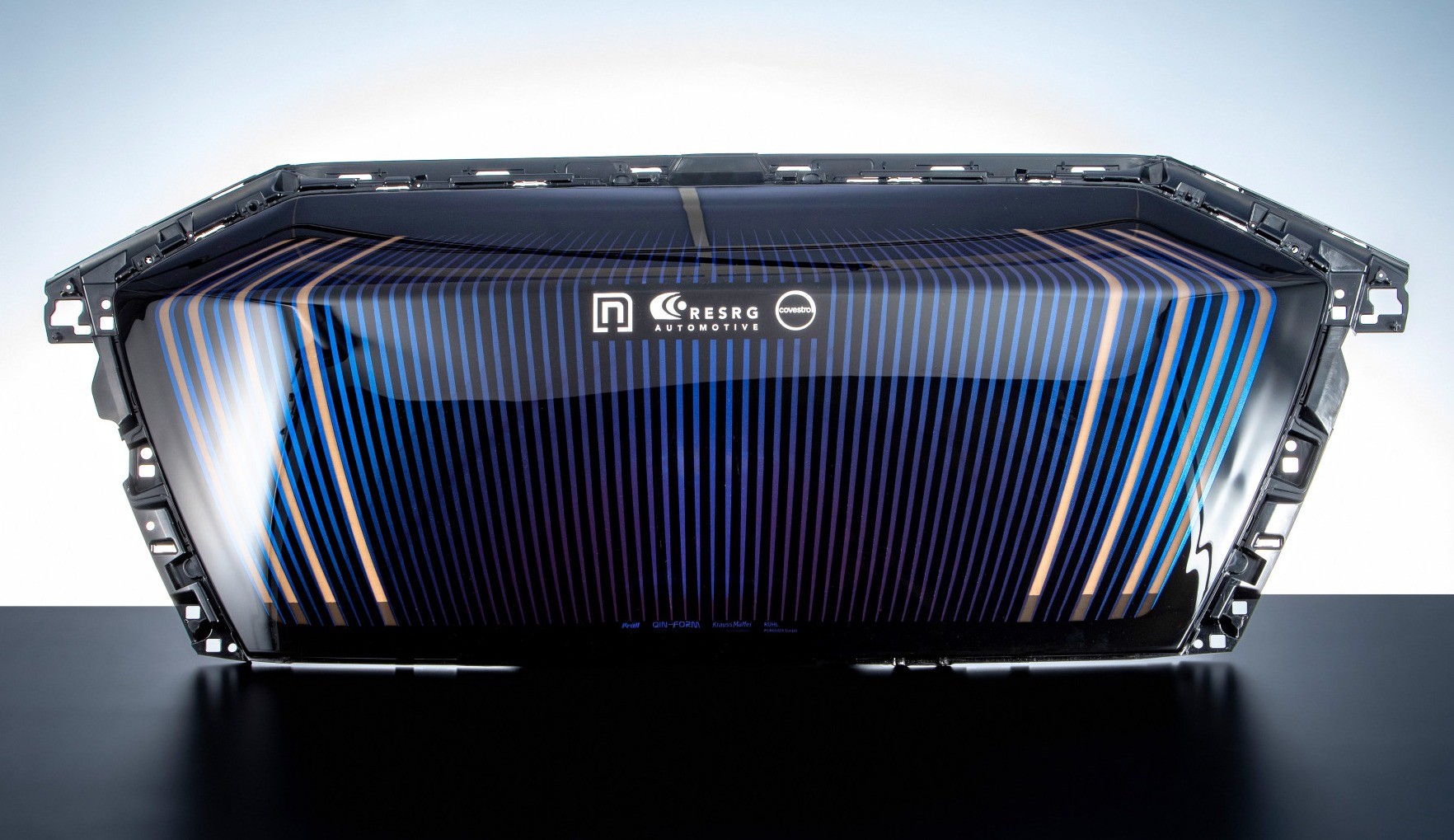
Polyurethane (PUR) in-mold coating (IMC) has been increasingly adopted in new automotive projects recently.
Aug 21, 2026