

















Quick chat: Malaysian plastics industry sets to prosper despite cost challenge

The plastics industry in Malaysia has experienced remarkable development in recent years, and it is one of the fastest-growing industries in the country.
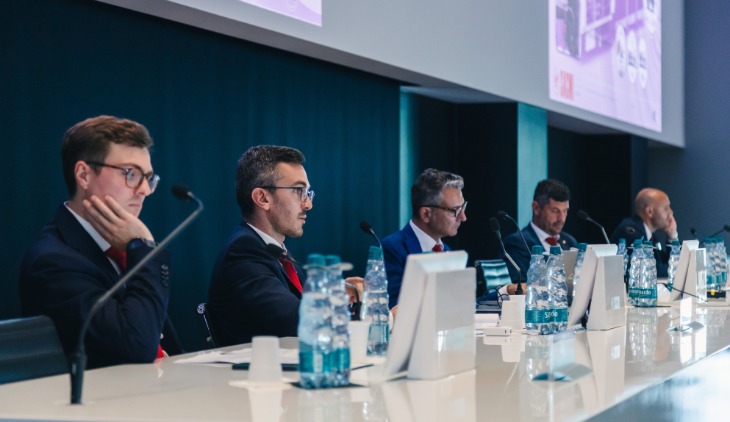
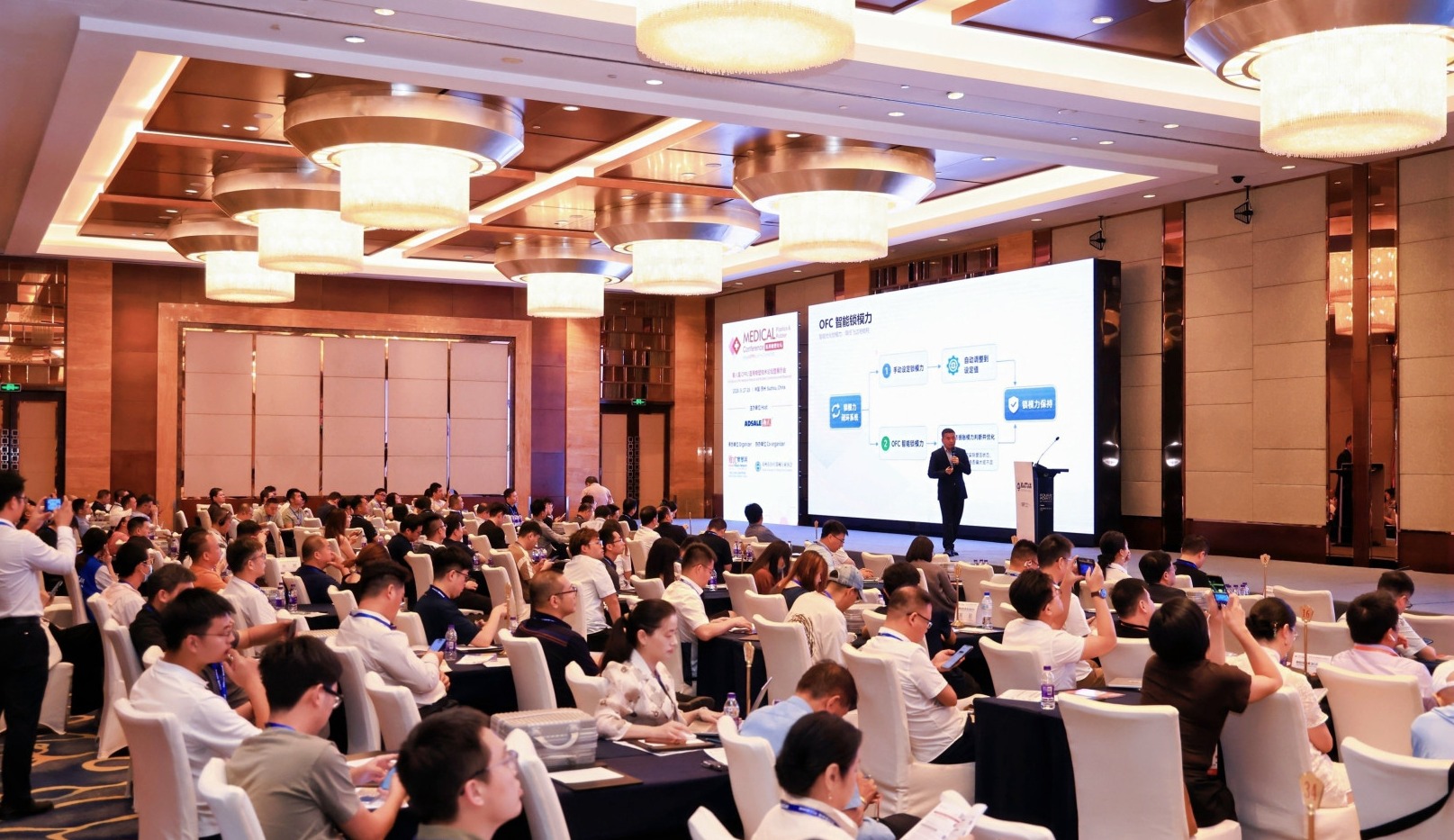
CC Cheah, President, Malaysian Plastics Manufacturers Association, addressed the market trends and challenges facing the local plastics industry at the World Trends & Plastics & Rubber Technology Summit held during CHINAPLAS 2024.
Adsale Plastics Network had a quick chat with the president who is optimistic about the future, thanks to the geographical benefits of Malaysia as well as the recovery of the global economy.

CC Cheah, President, Malaysian Plastics Manufacturers Association.
Are you optimistic about the Malaysian plastics industry in the next few years?
Cheah: I think Malaysia is a beneficiary of the China Plus One strategy by many countries and many companies because Malaysia has strong E&E, medical and automotive sectors. There was a lot of investment in various sectors, including the plastics sector, over the past two to three years in Malaysia, from companies from China, the US, Europe, Korea, and so on.
When these companies invest in Malaysia, they also need the support of the plastics supply chain. Besides, Malaysia is one of the biggest producers of flexible packaging in Asia Pacific. The recovery of global economy over the next few years should also benefit the sector.
Therefore, packaging, E&E, medical as well as automotive are the highest potential sectors for the Malaysian plastics industry. On the other hand, what are the biggest challenges for the industry?
Cheah: The biggest challenge for the industry is a huge increase in electricity tariff since January 2023. Due to the increase in material prices, there was impact in terms of cost for energy generation, the government decided to remove subsidies, so we actually have suffered an increase of 50% in energy cost.
In the coming few years, another concern will be labor cost. There will be a minimum wage review in this year, and the minimum wage will likely increase. But I think this will be true for our neighboring countries as well because inflation has been high since last year. Adjustment in basic wage is understandable.
This year, we are having recovery in terms of plastics consumption. I believe we will have better recovery in the second half year because the E&E sector is expected to turn around in the second half year.
Do you think that the developments in ASEAN are also helping the growth of the Malaysian plastics industry?
Cheah: Definitely. The countries in ASEAN represent a population of over 600 million and they are working very closely in growing the economy. Most of the countries have at least 3-6% of growth so that will directly impact the plastics industry, especially the food packaging sector.
The middle-income group of ASEAN countries is growing, and they will need a lot of automotive and electronic products. So I think the ASEAN countries will prosper.
Challenges of rising electricity and labor costs
From January 2023, the Malaysian government no longer provides full electricity tariff subsidy to large companies with high electricity consumption as “more targeted and sustainable subsidy management is a priority in ensuring that government expenditure can be channeled to provide higher added value to the national economy.”
The Malaysian government will review the minimum salary this year in accordance with the National Wages Consultative Council Act 2011 which mandates the council to restudy the minimum wages order every two years. The current minimum wage was set at RM1,500 on May 1, 2022.