









750+ professionals join CPRJ Packaging Conference, discuss four key trends

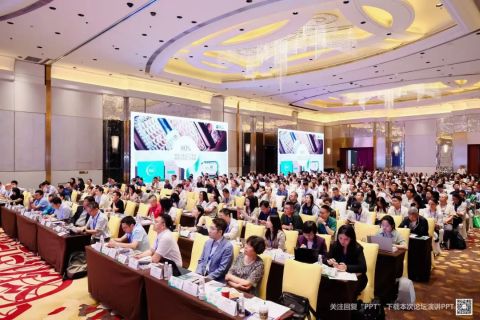
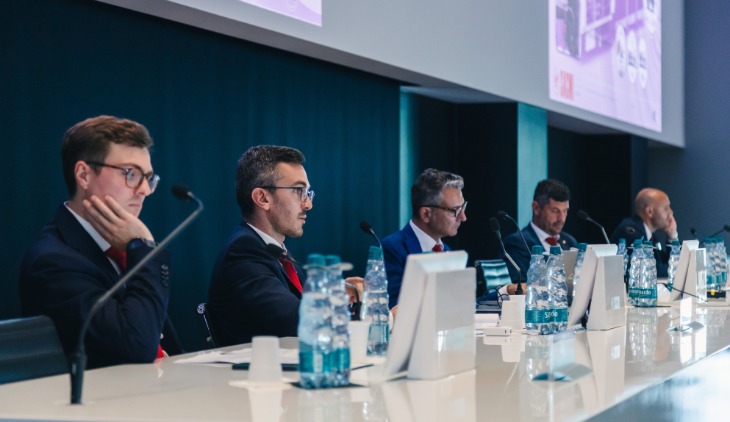
The 12th Edition CPRJ Plastics in Packaging Conference and Showcase was grandly held today (1 August) in Shanghai, China to explore the future of plastic packaging industry. The event attracted more than 750 industry professionals to join.
The Conference was hosted by Adsale Group and Shenzhen Beauty Star Co., Ltd., organized by Adsale Plastics Network, China Plastic & Rubber Journal (CPRJ) and CPRJ International.
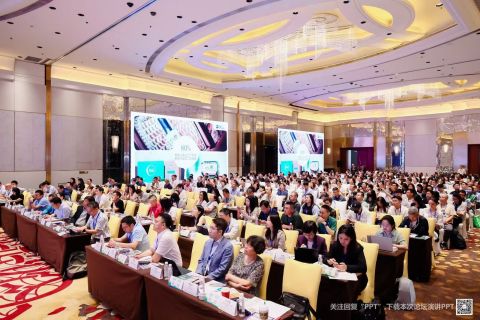
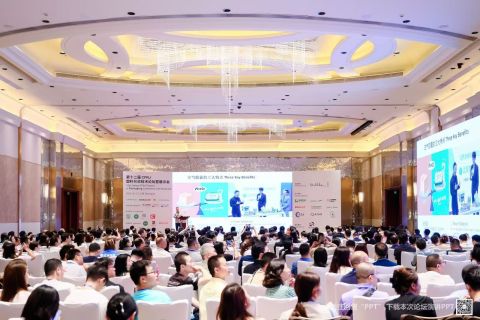
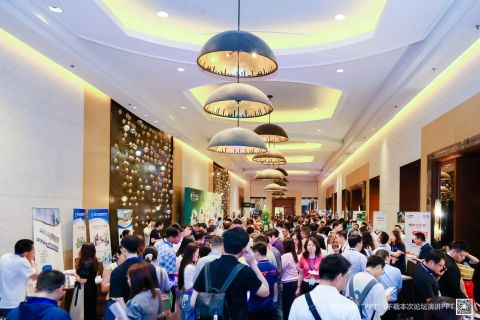
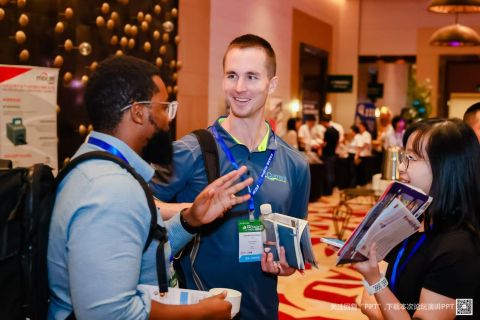
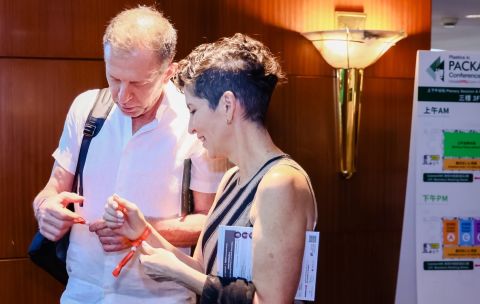
More than 750 industry professionals participated in the Conference.
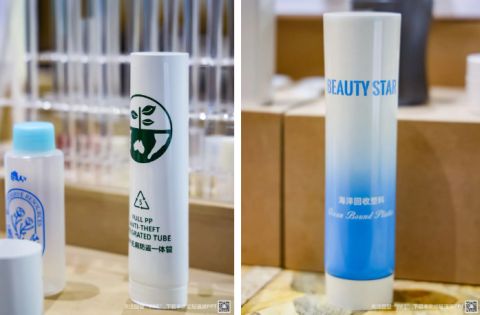
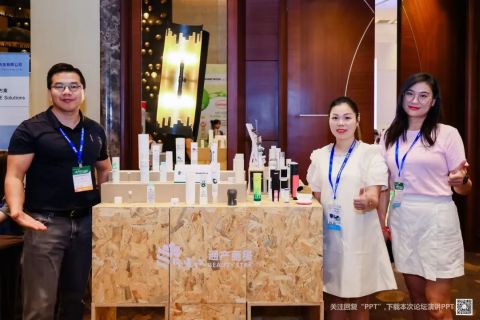
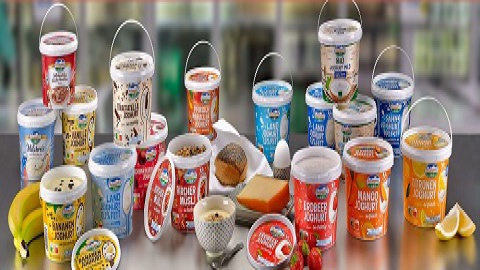
Shenzhen Beauty Star showcased its recyclable, degradable and lightweight packaging solutions on site.

Scan the QR code to view the photo album.
The Conference was co-organized by Shanghai Packaging Technology Association, Shanghai Plastic Engineering Technology, PKG FAMILY and Houshang Academy.
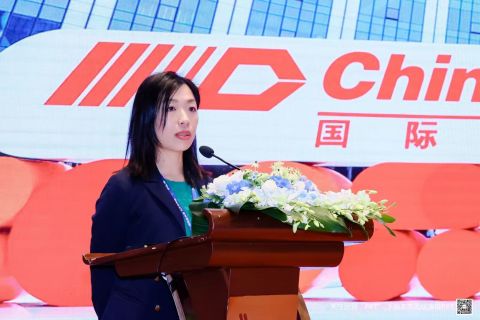
Rita Chu, Vice Chairman, Adsale Group
"Today’s event gathers discussion on material, process and automation of innovative packaging. We hope that audience can draw more ideas and inspiration from this conference." - Rita Chu, Vice Chairman, Adsale Group
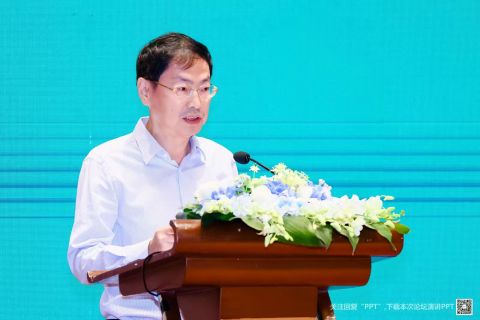
Zhengyu Yao, General Manager, Shenzhen Beauty Star Co., Ltd.
"With popularity of the economics of beauty, demand on cosmetic products rises and brings challenges to the development of sustainable cosmetic packaging. Promotion and application of green packaging not only requires technological advancement, but also needs every stakeholders’ effort." - Zhengyu Yao, General Manager, Shenzhen Beauty Star Co., Ltd.
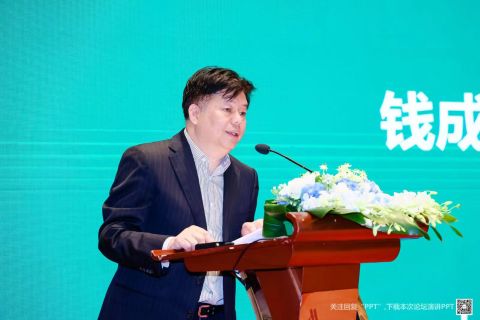
Chengxi Qian, President, Shanghai Packaging Technology Association
"With our effort and AI data on packaging material to optimize solution, I believe that packaging performance can be greatly enhanced. We should hold confidence that the packaging industry will expand in the future." - Chengxi Qian, President, Shanghai Packaging Technology Association
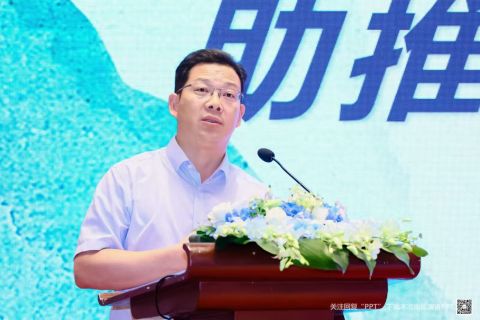
Hongjun Wu, Deputy Secretary General, China Packaging Federation
"The key to achieving a green and low-carbon development in packaging industry is to strengthen the guidance of green transformation, promote the low-carbon transformation of energy and resources, enhance independent innovation capabilities, improve green manufacturing, enhance green design capability of products, increase supply of green products, as well as promote digitalization in the industry and enhance intelligent manufacturing in the industry." - Hongjun Wu, Deputy Secretary General, China Packaging Federation
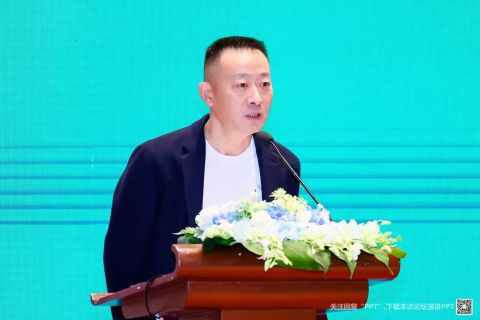
Lin Wu, Founder, PKG FAMILY
"Under the new situation, we have observed that the packaging industry is shifting from high-speed development to high-quality development. Therefore, it is important to have industrial meetings similar to today’s event, to facilitate such enhancement from brand to manufacturing end." - Lin Wu, Founder, PKG FAMILY
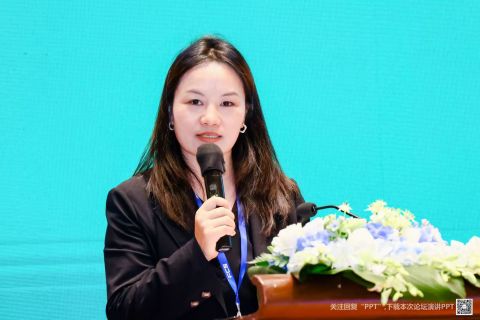
Tiffany Zhu, Executive Editor, Adsale Plastics Network
"Today, we hold the 12th Edition CPRJ Plastics in Packaging Conference in Shanghai. Over the past 12 years, we have witnessed the remarkable development of plastic packaging in food and beverage, daily chemical and beauty industries. Through visiting various exhibitions and enterprises, we have found that brands or sub categories that accurately focus consumers’ pain points, itch, and pleasure points are constantly producing hot products or gaining growth." - Tiffany Zhu, Executive Editor, Adsale Plastics Network
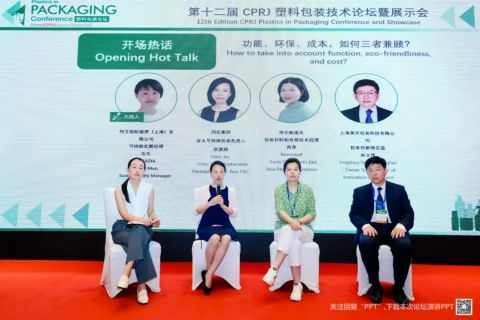
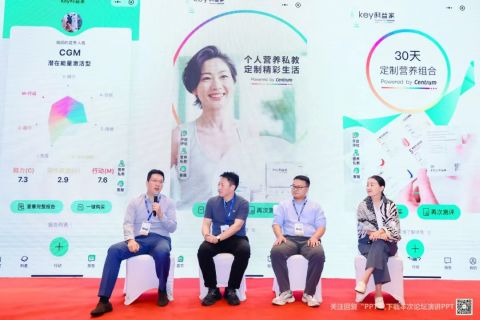
Theme Salon and Flash Show panel discussions were held during the parallel sessions.
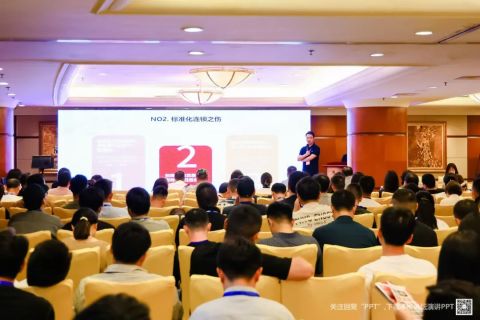
A forum dedicated to chain catering and ready-to-eat meals was also held.
Trend 1: Green transition in packaging industry
Green transition in packaging industry accelerates, food contact material management, cosmetic packaging safety and carbon footprint management system facilitate plastic packaging towards safer and greener development.
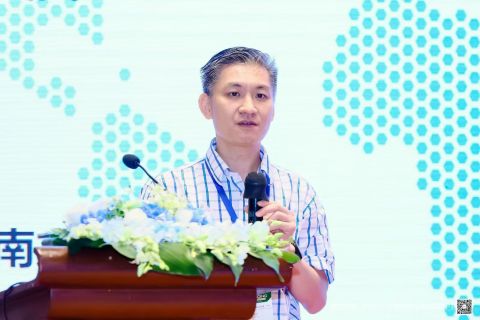
Marco Zhong, Director from National Reference Laboratory for Food Contact Material of Guangdong, introduced the progress and concerns on the utilization of food grade rPET in China. He stated that the technical evaluation of food grade rPET in China has been basically completed, and policy management is currently under discussion.
From his point of view, enterprises should implement standardized collection, sorting, decontamination and cleaning processes to ensure that pollutants in rPET can be effectively removed and pass challenging experiments. Enterprises should also comply with safety standards for food contact materials, manage the entire supply chain from raw materials to products according to regulations.

Jun Liu, Deputy Director of Institute of Quality Inspection Light Industrial Products and Chemical Products, National Center of Quality Inspection and Testing on Consumer Goods, introduced the new regulations on cosmetic safety and their impact on packaging.
He suggested that related enterprises can strengthen the quality control management of the entire process from raw materials to finished products, improve the construction of technical database, establish evaluation and detection prevention measures, improve the selection of accelerated tests, simulated substances, typical cosmetics, and establish compliance teams to achieve cosmetic safety assessment.
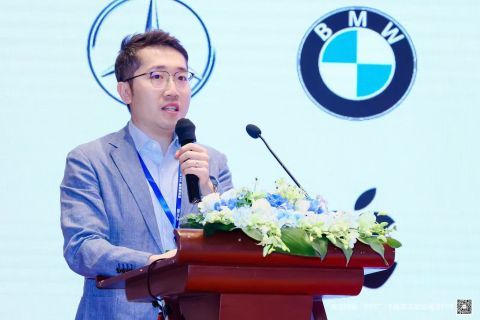
Jianchuan Qi, Researcher of School of Environment in Tsinghua University, shared the development of green packaging in China regarding PPWR and carbon footprint. He pointed out that when facing “green trade barriers” from Europe and America, China is accelerating the building of product carbon footprint management system.
However, China’s industrial technological advantages have not been highlighted in carbon footprint management, resulting a “bottleneck” challenge. To this end, under the leadership of Prof. Kebin He, Tsinghua University has partnered with 43 institutions to jointly build an internationally recognized database, to promote green and low-carbon transformation, ensure trade safety, and help achieve carbon neutral goal.
Trend 2: Innovative designs in packaging
The blooming of innovative designs in packaging enhances functionality and convenience, to optimize users’ experience.
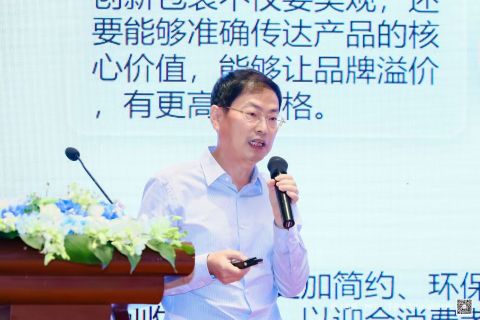
In his presentation titled “Creative packaging drives brand power”, Zhengyu Yao, General Manager, Shenzhen Beauty Star, emphasized that innovative packaging needs to tell brand story, promote product value. At the same time, it has to adapt to market demand, enhance brand recognition and interactive experience, as well as promote social media communication to comprehensively enhance brand influence.
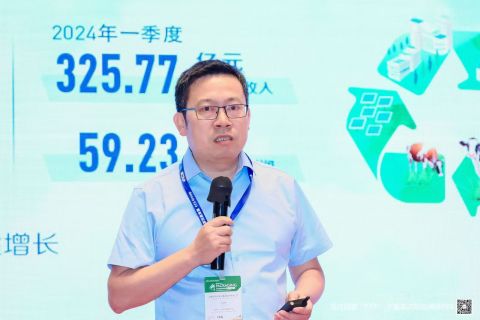
Yuming Deng, Senior R&D Director of Innovation Center, Inner Mongolia Yili Industrial Group, shared the new ideas and practices of Yili Group in exploring packaging innovation. Examples include lock-fresh cap to create a series of storage cap technologies that meet different needs, innovation in barrier material technology, preserve product nutrition, and Yili's packaging design principles based on 4R+1D with LCA quantification, practicing social responsibility through sustainable packaging.
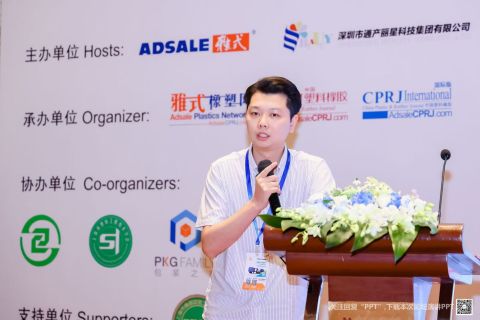
Ziwei Zhang, Head of Development and Procurement, Zhejiang haomai technology, shared insights on the packaging supply of popular products and innovative ideas in the segmented tracks.
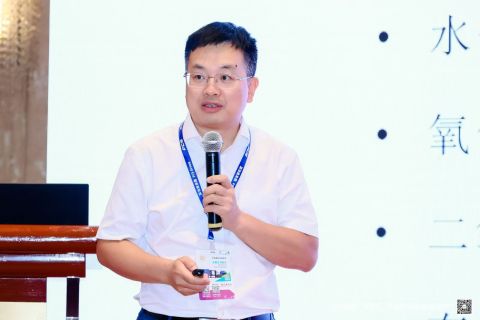
Frank Zeng, Founder of York Colour, introduced the application of oxygen absorber in juice, tea beverage, dairy products and beer.
Trend 3: Diversified materials for sustainable packaging
Diversified types of material, including mono-material, biobased material and recycled material, facilitate sustainable and low emission packaging.
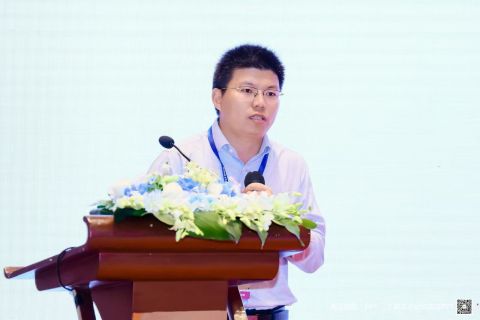
Liang Lu, Senior Account Manager for Milliken Asia Pacific, Milliken Enterprise Management (Shanghai), introduced the innovative application of transparent polypropylene (PP). Transparent PP can replace glass, PETG, HDPE, and ABS for cosmetic packaging, achieving high-end design, lightweight, cost optimization, and easy recycling of mono-material. It can also replace HDPE, PVC, and PET for daily chemical and food packaging, providing high barrier while achieving weight reduction and easy recycling.
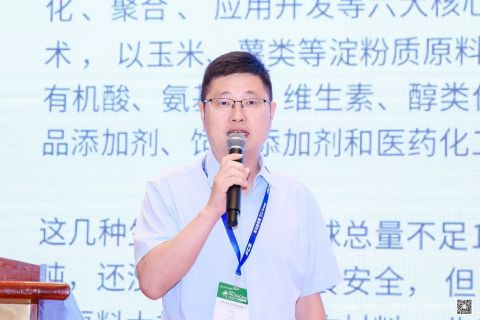
Song Fu, General Manager from AN HUI BBCA BIOCHEMICAL, introduced the high-value application technology of crop straw in BBCA and shared the innovative applications of polylactic acid and biobased polyurethane, such as BBCA’s high content polylactic acid film bag modification material (PLA55%+PBAT45%), for shopping bags, milk tea bags, garbage bags, roll bags, etc.
DFRL Company in India uses BBCA’s FY804 as main material to produce mineral water bottles with barrier properties that meet product quality requirements and have been officially recognized by the Indian authorities.
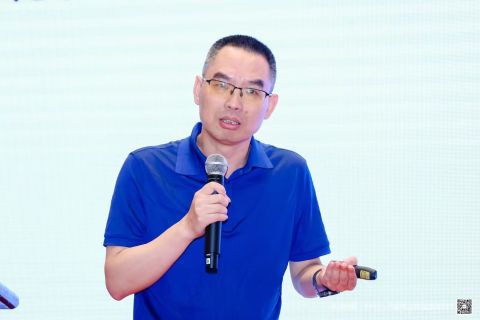
Min Liu, R&D Director of Yangzhou Shengzhibao New Material Technology, introduced the innovation and development of MDOPE film technology. Shengzhibao's mono-material MDOPE film features high tensile strength, stiffness, transparency and gloss, good printing performance, water resistance, thinning, and reduced substrate thickness, and can be 100% recycled.
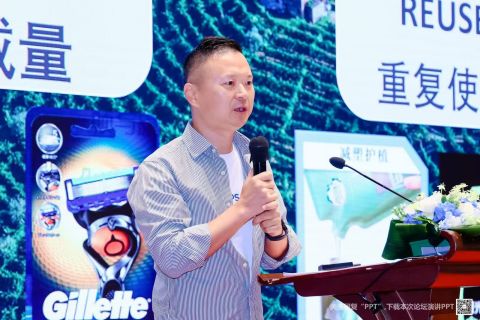
Neo Yang, Director of P&G China Supply Chain Package Innovation, shared the innovation of green packaging in P&G’s e-commerce and retail stores. P&G’s sustainable goals include, by 2030, reducing the use of raw plastics by 50% and eliminating the need for secondary protection for 80% of products, and achieving net zero emissions by 2040.
P&G promotes packaging recycling through three technological path – reduction, reuse, and recycling. It also launched recyclable PDQ to reduce material waste and use of paper and plastic, improve storage efficiency, and reduce storage and transportation volume.
Shiyan Liu, Director of Public Utilities, Shanghai Totole Food, shared Totole’s sustainable packaging practices, stating that the company has achieved sustainable packaging development by eliminating cardboard film covering, changing dark covers to light colors, changing aluminum foil bags to aluminum plated ones, reducing ink on product packaging, removing wrapping films in storage and logistics, using reusable bandages, and advocating plastic flexible packaging recycling.
Taogen Lin, Deputy Director of Packaging Design Center, Nice Group, introduced the innovative optimization of Nice’s all plastic tube and the innovative application of plastic container creep test technology.
Nice has achieved green and recyclable all plastic toothpaste tubes by optimizing the thickness of tube and increasing the proportion of main material. Its plastic container creep testing technology can achieve reasonable lightweighting of plastic bottles, such as its latest generation of laundry detergent bottle, which has an average weight reduction of more than 10% compared to the previous generation with the same specifications.
Emily Cao, Packaging Manager of Herbalife Nutrition Product Innovation Center, shared how Herbalife enhances its brand and promote sustainable development through packaging innovation. For example, Herbalife’s protein shake products achieve green design through food grade white PP, soy ink, bottomless paper labels, zero residue sealing gaskets, and food grade white HDPE, as well as the brand’s easy tear film powder canned product has won “Double Easy Certification”.
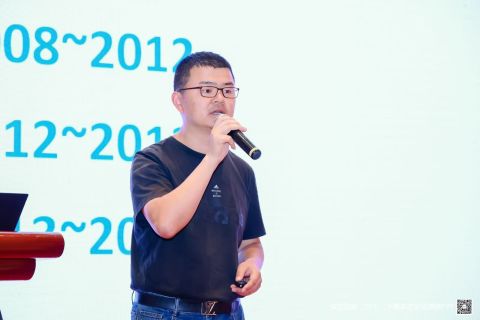
Bruce Shen, Packaging Development Head for Reckitt North of Asia Business, Reckitt (China), stated that Reckitt is committed to reducing 50% of plastic raw materials in product packaging by 2030, and by 2050, increasing the recycled content in plastic packaging to 25% and ensuring 100% of packaging is reusable or recyclable. Currently, sustainable design is achieved through recycled plastics, all plastic pumps, and mono-material flexible packaging.
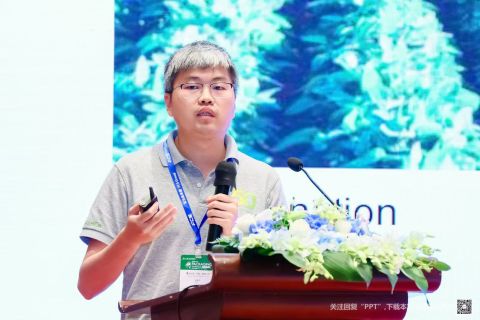
Kevin Jin, Asia Pacific Packaging Item Procurement Manager, Cargill Investment (China), shared the sustainable packaging journey of Cargill. Cargill designs packaging solutions to balance the overall environmental footprint, to avoid food waste while preserving food freshness and quality. 100% of Cargill's fiber packaging comes from recycled or certified sustainable materials.
Based on existing infrastructure, 100% of Cargill's packaging materials are reusable, recyclable, or compostable. In addition, Cargill also tries to avoid unnecessary packaging and uses recycled or renewable materials as much as possible.

Chandler Qian, Head of Packaging Development, Colgate-Palmolive (China), introduced Colgate-Palmolive’s practices on innovative packaging. By leveraging and influencing partners, CP achieves its packaging and plastics sustainability strategy with efficient and beneficial design, advanced circular systems, etc. The goal is to have no unnecessary packaging, all packaging recyclable, reusable or compostable, and eliminate 1/3 virgin plastic (use 25% PCR) by 2025.
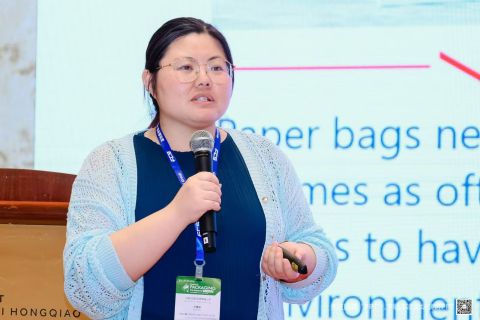
Sophia Su, Consumer Brand Coloration and Styling Packaging, Henkel (China), shared Henkel’s sustainable packaging target, in which by 2025, it aims to achieve 100% recyclable or reusable material in packaging, reduce 50% fossil-based virgin plastics, and meet zero waste target.
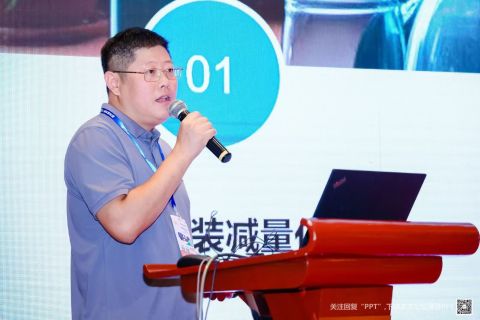
On the topic of “Design solution and technological breakthrough for reducing plastic packaging”, Lianghai Sun, Deputy Director of Packaging Materials R&D, Zhonghebaosang Biotech, stated that packaging innovation can break traditional frameworks by prioritizing practicality, recycling, optimizing material selection, simplifying structure, and transparent display.
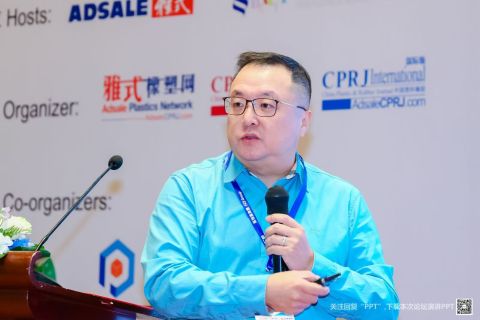
Yong Lv, General Manager of Asia, Plastipak Trading (Shanghai), listed the problems and opportunities of using recycled PET. Plastipak can recycle 20 billion plastic containers annually in its recycling factories worldwide. Its five factories in North America and Europe can recycle and process recycled PET and HDPE through bottle-to-bottle technology, making it the largest food grade rPET producer in Europe.
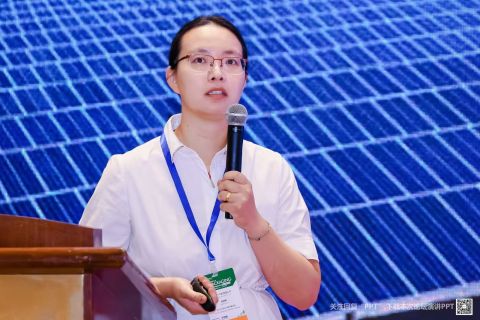
Beven Hou, Product Care Sustainability Development Manager in Sealed Air China, introduced the innovative case of Sealed Air’s green protective packaging, including the collaboration with ExxonMobil to adopt advanced recycling programs to recycle food grade plastics. This successfully overcomes key challenge of circularity for food grade plastics, of which food grade plastics used for protection and distribution must meet strict hygiene and performance standards. This project can prevent approximately 900 tons of plastic waste from being sent to landfill or incinerated annually.
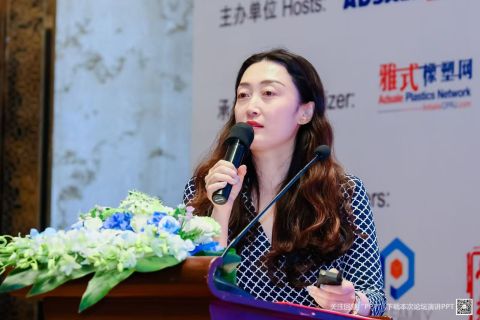
Chloe Lin, Head of Sustainability from OATLY (Shanghai) Beverage, introduced OATLY's sustainable development goals and packaging practices. She stated that OATLY prioritizes the use of packaging materials with relevant certifications (e.g. FSC), the use of renewable energy or recycled packaging materials, the use of recyclable packaging materials. The brand also carefully considers the use of plastic products and optimizes structural design to reduce the use of packaging materials.
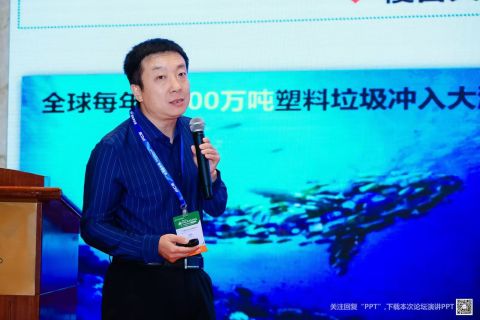
Hongsheng Liu, Technical Director of Green Fill Material Technology and Professor in South China University of Technology, introduced the technology progress and application of green buffer packaging. With low-cost and renewable non-edible industrial starch as raw material, as well as the adoption of self-developed starch modification and full chain green foaming technology, the technical team introduced world’s first foaming material with high buffering performance and fully degradable ability. This solves the high cost and uncontrollable “bottleneck” problem of degradable material.
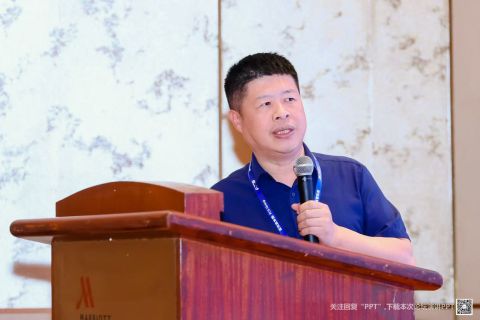
On “Thoughts on development of packaging enterprises under new situation of sustainable development”, Jun Li, General Manager of Membrane Division in Hysum (Zhejiang) New Material, stated that cost, recycling, supply chain adjustment and evaluation of alternative solutions are the four major challenges in “the path towards low carbon”.
Hysum New Materials is committed to low-carbon and sustainable packaging, mainly focusing on the use of mono-material polyolefins, as well as exploring compostable, biodegradable, and biobased materials, while considering the application of paper or cellulose. In addition, Hysum New Materials actively promotes strategies such as chlorine free, dealumination, and the use of recyclable mono-material.
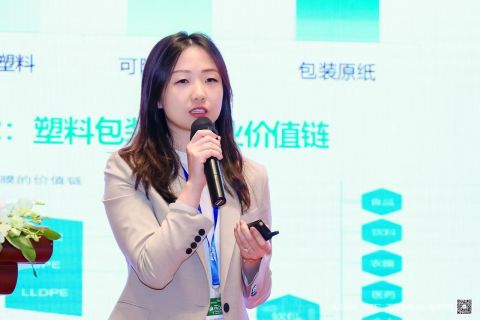
Cynthia Huang, Chief Strategy Officer of UDN Packaging, introduced various innovative sustainable products, such as the fifth generation integrated tube, which reduces material usage by 55% through the use of mono-material lightweight design. It can be produced with full automation, and is easy to recycle as whole. UDN also uses 100% post-consumer ocean recycled plastic (OBP rHDPE) to replace traditional plastics in the production of tubes, reducing reliance on virgin plastics, with the outer layer reaching highest ratio of 100%.
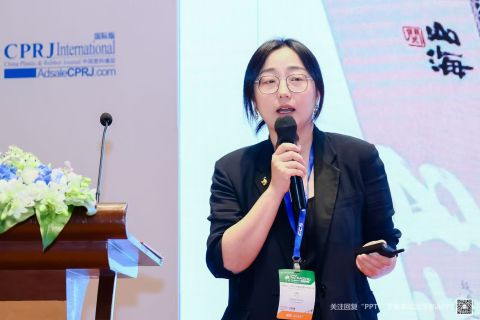
Xin Liang, Co-founder & CMO of Elezone Technology, introduced the innovative path of sustainable packaging in ELEAI Zero Carbon Packaging 100 Plan. Based on the current situation of product packaging, ELEAI innovates and redesigns the structure, process and materials of packaging, with the goal of “three abilities, four reductions, and one improvement”, striving to maximize the environmental friendliness and user experience of packaging. These include using biodegradable materials such as PHA and tea residue in packaging to reduce carbon emissions and achieve sustainable packaging.
Trend 4: Cost reduction and efficiency enhancement
Injection molding servo motor direct drive, hot runner quick color change, high-speed printing, highly compatible visual inspection, and fully automatic packaging process reduce costs and increase efficiency for plastic packaging.
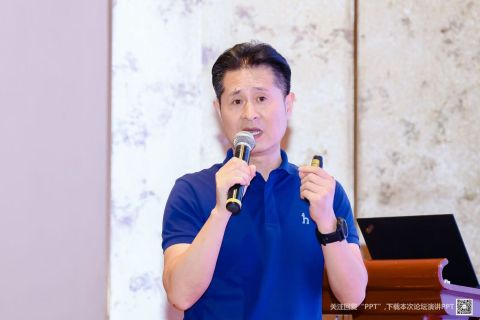
Weigang Shao, Manager of BERICAP, introduced the green intelligent manufacturing and application of various bottle caps from BERICAP. These caps include DIN barrel mouth plastic caps, agricultural caps with cut and folded anti-theft rings, sealed or with gasket suitable for different containers series, edible oil and seasoning bottle caps, water bottle caps, dairy product bottle caps, and stacking barrel caps with flow nozzles.
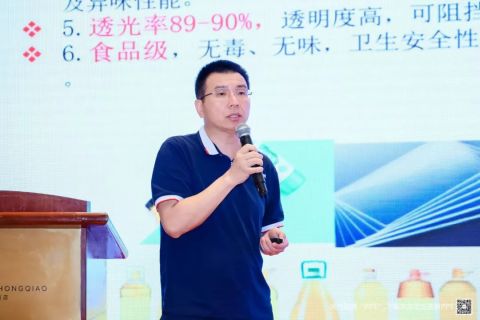
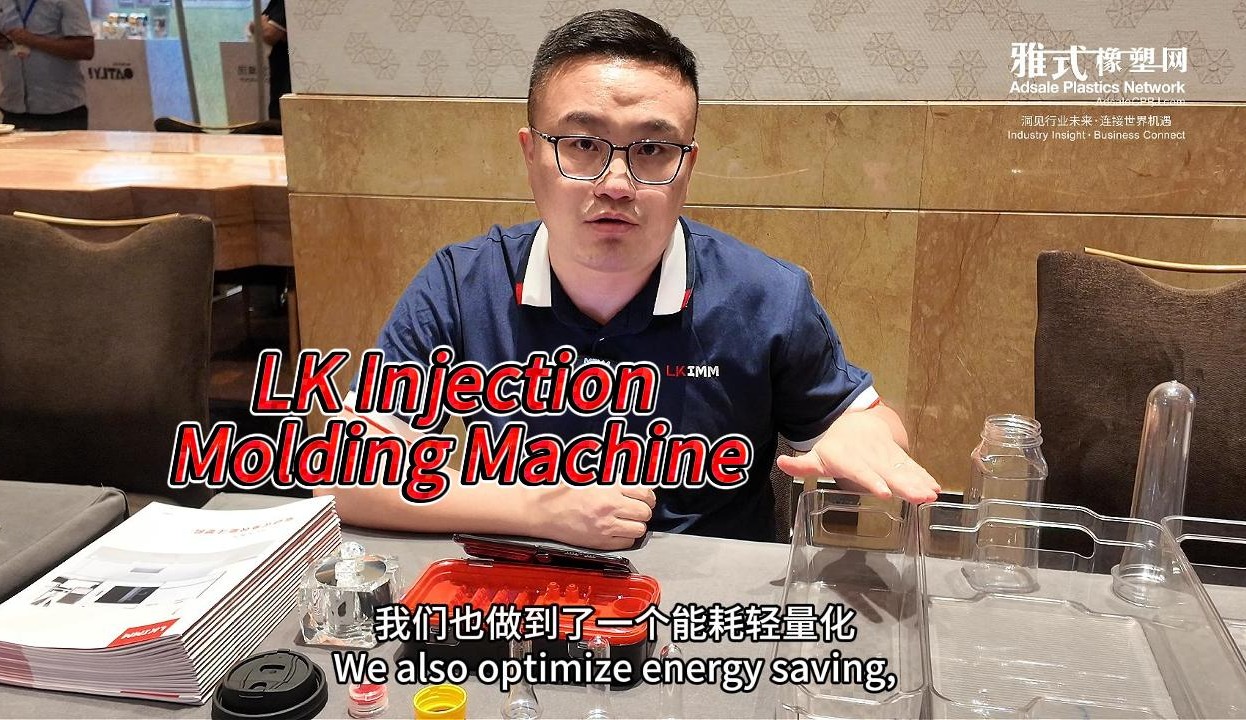
Shaozhang Xion from LK Injection Molding Machine introduced the application and technical advantages of LK’s PET special machine in the packaging industry. According to him, the machine directly drives each motion axis through servo motor to achieve higher corresponding speeds.
After upgrading the power system, the injection speed reaches 400mm/s to achieve higher production efficiency. Besides, the proved control system, mechanical structure as well as processing and manufacturing capabilities ensure higher stability.
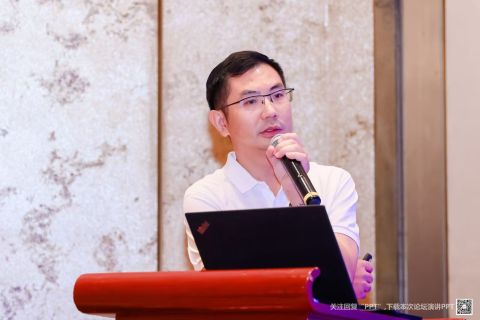
Anod Yuan, East China Sales Director, Shen Zhen Mould-Tip Injection Technology, talked about the application of hot runner quick color change in packaging plastic molds. The company achieves quick color change through reasonable hot runner design, some special structures for dead-end processing, precise temperature control of the manifold, and runner polishing.
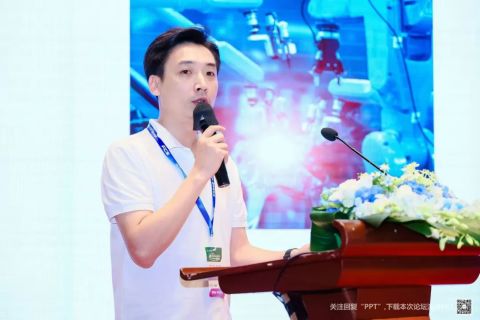
Andy Chen, Marketing Director, Sojet Marking Technology (Xiamen), discussed the policies related to inkjet printing and marking as well as the development trends of inkjet marking for packaging. He also introduced the advanced equipment of Soject.
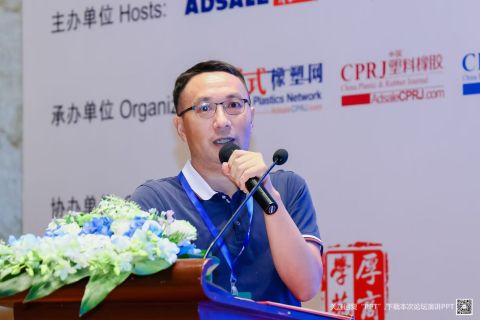
Anhui Keye Information Technology focuses on AI visual inspection through self-developed cameras, light sources, and parameters. The company’s products are used for inspection of caps, bottles, cups and preforms.
In his presentation, Tianxin Yan, Chairman, Anhui Keye Information Technology, explained how AI visual inspection has become the success factor for breakthroughs of enterprises.
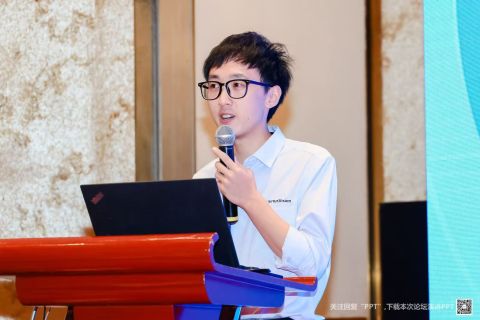
Kevin Ni, CMO and Assistant to the Director, Siriusvision Shanghai, introduced the latest applications of visual inspection in the printing industry. For example, the company’s visual inspection software uses a combination of multiple algorithms to suppress over-detection to the limit.
In addition, the software is also compatible with detecting fixed patterns and variable printing. A set of cameras and computers can be used for inspection at the same time, saving space and costs significantly.
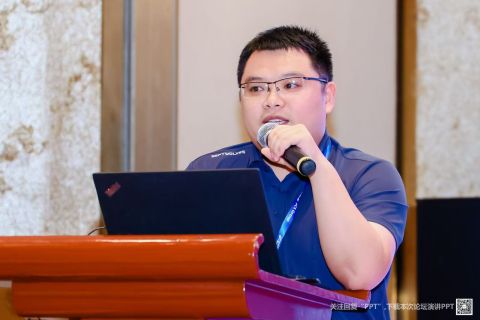
How can fully automatic packaging machines adapt to the diverse needs of bottle types?Dongguan Xinzheng Machinery offers a solution which uses multi-servo and multi-link design, said Xin Wu, General Manager, Dongguan Xinzheng Machinery.
As introduced, with this equipment, multiple bottle types can be adjusted with one click, meeting the need for quick adjustment in 20 minutes. The equipment can pair with a high-speed bottle arranging machine to achieve productivity of one pack in 30 seconds.
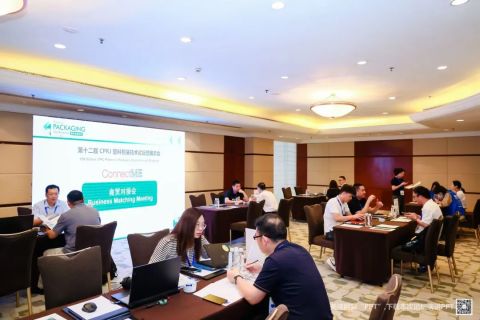
ConnectME - Business matching
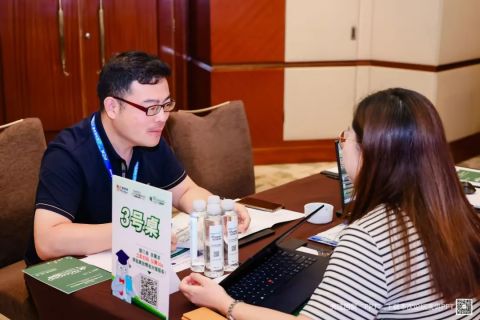
In order to facilitate one to one business matching across the supply chain, the organizers set up a special area for “ConnectME” and conducted 62 online and offline business matching meetings on the spot.
Innovative packaging and solutions showcase
In addition to the inspirational presentations, the Conference also attracted six end-user brands and packaging product companies, as well as 60+ renowned suppliers of advanced materials, molding equipment, molds and hot runners, automation solution suppliers, etc. to showcase their innovative and packaging solutions on site.
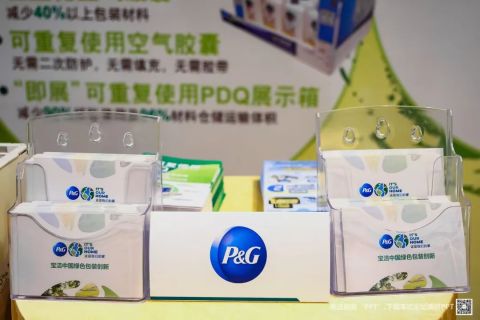
P&G showcased reusable air capsules & reusable PDQ display boxes.
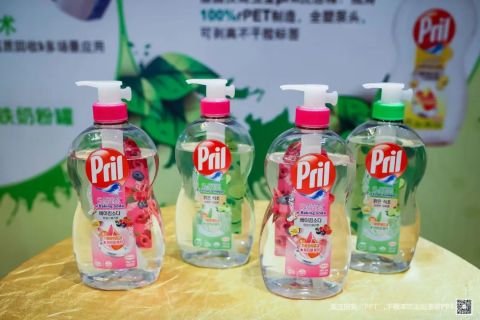
Henkel’s Pril features a bottle made of 100% rPET, an all-plastic pump head, and a peelable label.
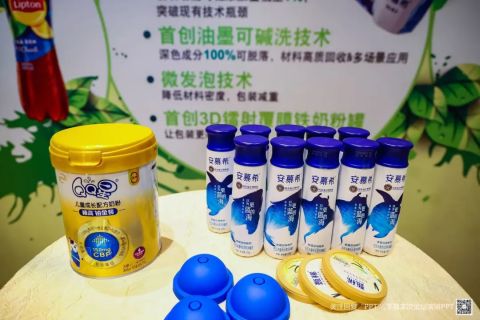
Yili displayed solutions such as micro-foaming, 3D laser technology, and alkali-washable ink technology, which facilitate high-quality packaging recycling.
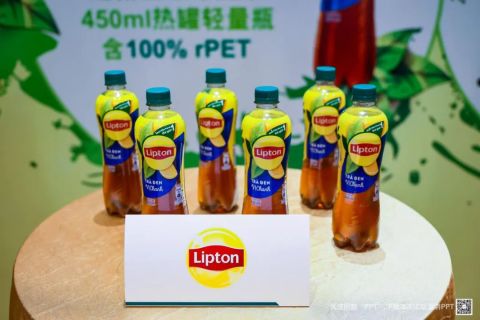
Unilever Vietnam’s Lipton features lightweight hot-filled bottle made of 100% rPET.
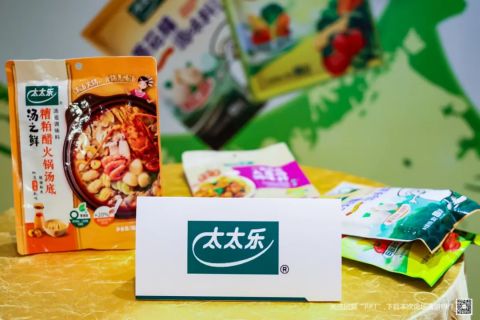
Totole upgrades its original product packaging to recyclable packaging.
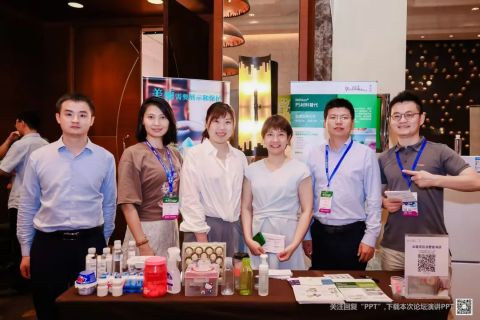
Milliken Enterprise Management (Shanghai)
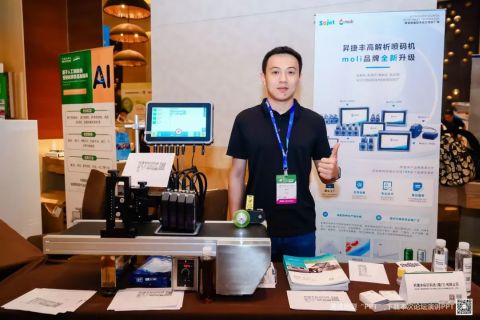
Sojet Marking Technology (Xiamen) Co., Ltd.
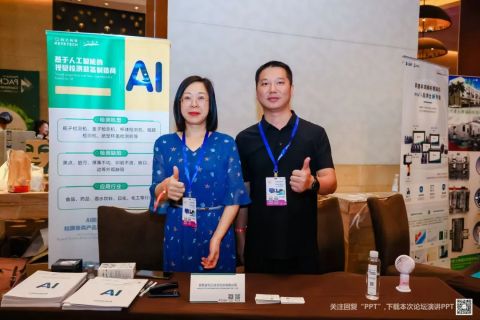
Anhui Keye Information Technology Co., Ltd.
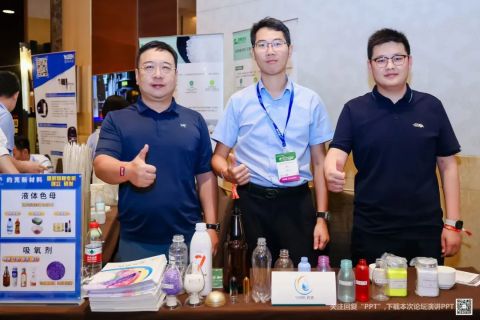
York Colour LTD
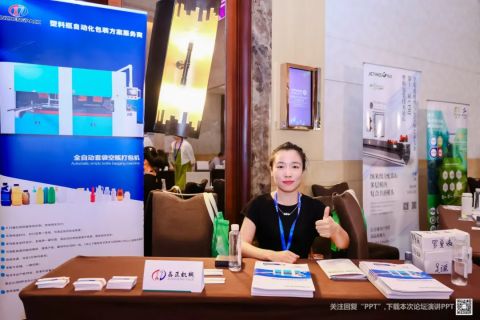
Dongguan Xinzheng Machinery Co., Ltd.
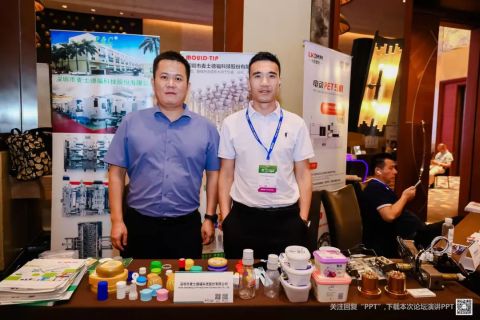
Shen Zhen Mould-Tip Injection Technology Co., Ltd
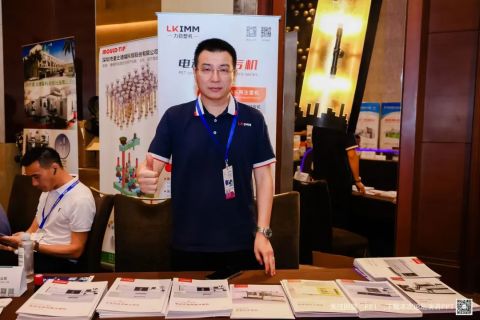
LK Injection Molding Machine Co., Ltd.
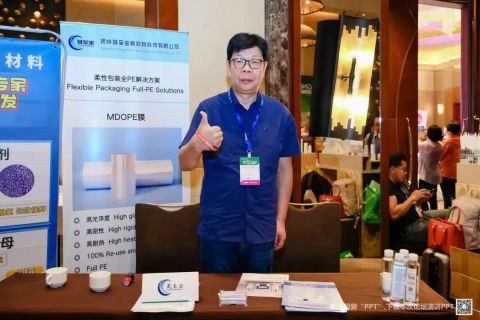
Yangzhou Shengzhibao New Material Technology Co., Ltd.
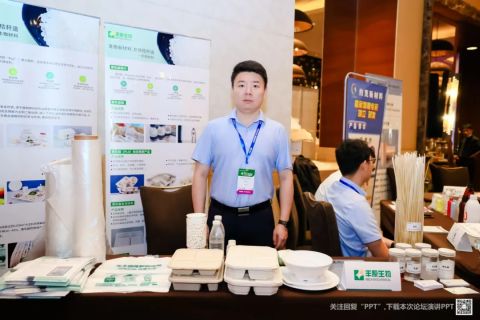
An Hui BBCA Biochemical Co., Ltd.