

















Biodegradable packaging growth doubles rate of standard polymers, research finds

Smithers, a multinational provider of testing, consulting, information, and compliance services, published a research on the forecast of biodegradable and compostable packaging to year 2029.
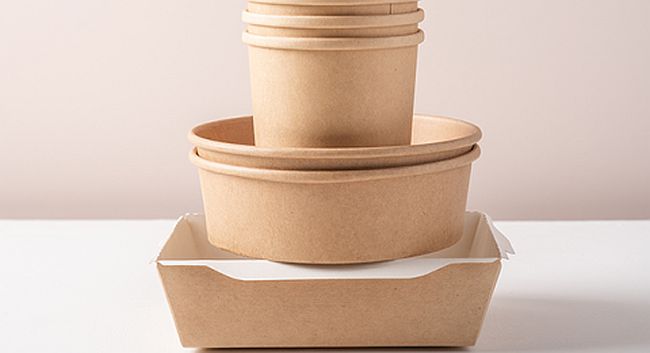
Smithers published a research on the forecast of biodegradable and compostable packaging.
According to the research, biodegradable and compostable packaging was worth US$2.56 billion in 2024. Its demand is increasing, powered by consumer preference, brand owner’s corporate citizenship commitments, and a suite of new regulatory requirements.
Smithers forecasts the sales value of biodegradable and compostable packaging will increase at a 9.1% compound annual growth rate (CAGR) across the next five years, more than double the rate for standard polymer types. This will push total market value to US$4.00 billion in 2029, at constant pricing.
The bio-based polymers include polylactic acid (PLA), aliphatic-aromatic copolyesters, starch/starch blend plastics, cellulose acetate, and polyhydroxyalkanoates (PHAs). Total consumption of these in packaging across the Smithers forecast period will increase from a projected 770,000 metric tons in 2024 to 1.17 million tons in 2029.
The largest market in packaging is the bioplastic PLA, which has already been presented in several rigid plastic formats and is now being supplemented by more flexible PLA grades and a family of recycled PLA grades produced from chemically recycled feedstocks.
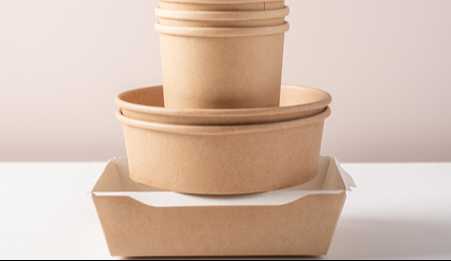
Food and food service packaging combined account for over 40% of contemporary consumption, and across the next five years some single-use formats, such as coffee capsules, will witness very strong growth. Demand in these sectors will be strongest in Europe and parts of the US.
Non-food applications still account for the largest share of the market, due mainly to mandates to replace retail carry-out and trash bags with less polluting alternatives, in many countries, including China.