











Get ready for INC-5 on plastic pollution - stay tuned

The fifth session of the Intergovernmental Negotiating Committee (INC-5) to develop an international legally binding instrument on plastic pollution, including in the marine environment, will be taking place from 25 November to 1 December 2024 at the Busan Exhibition and Convention Center in Busan, Republic of Korea. Adsale Plastics Network will attend the INC-5 event, so stay tuned for updates.
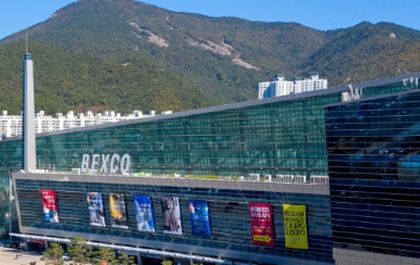
INC-5 will be held at the Busan Exhibition and Convention Center.
Background of the session
In March 2022, at the resumed fifth session of the UN Environment Assembly (UNEA-5.2), a historic resolution was adopted to develop an international legally binding instrument on plastic pollution, including in the marine environment.
The resolution (5/14) requested the Executive Director of the UN Environment Programme (UNEP) to convene an Intergovernmental Negotiating Committee (INC) to develop "the instrument," which is to be based on a comprehensive approach that addresses the full life cycle of plastic, including its production, design, and disposal.
The INC began its work during the second half of 2022, with the ambition to complete the negotiations by the end of 2024. The previous four sessions of the INC took place in Uruguay, France, Kenya, and Canada.
The framework of the international legally binding instrument primarily addresses substantive aspects, including the design, production, trade, extended producer responsibility, and waste management of plastics. It also encompasses operational issues such as implementation, capacity building, reporting, compliance, and the financial and technical resources available to stakeholders.
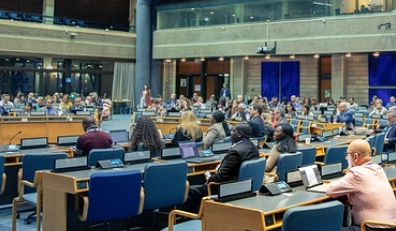
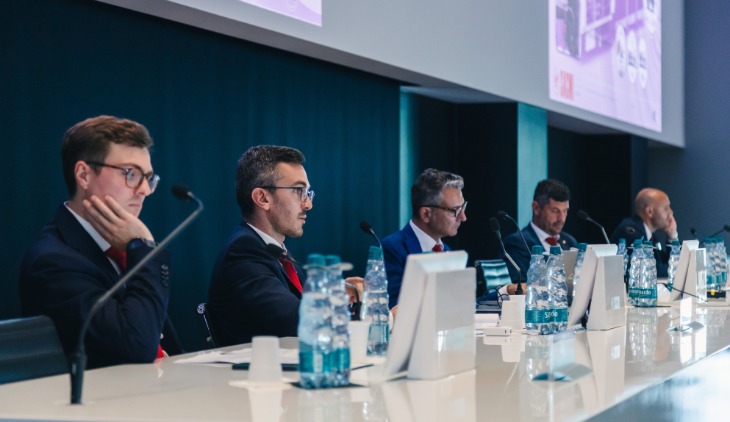
Consensus is currently being reached on several key issues among parties.
Varied viewpoints from parties
Consensus is currently being reached on several key issues, including plastic waste management, the need for recycling and product redesign, and special measures to regulate plastic fishing gear that adversely affects marine life when lost or discarded.
However, differences remain among parties regarding the production process, particularly on the following points:
∎ Should primary plastic polymer production be included? Is this a mandatory requirement or a voluntary obligation?
∎ Should the production of chemicals and polymers used in plastics be regulated?
∎ How should the production of problematic and avoidable plastic products be addressed?
∎ Is it necessary to establish a globally unified product design standard?
∎ Should global plastic production be capped?
∎ How will countries finance their obligations under the final agreement?