

















End pollution: Plastic Europe urges INC-5 negotiators to include EPR

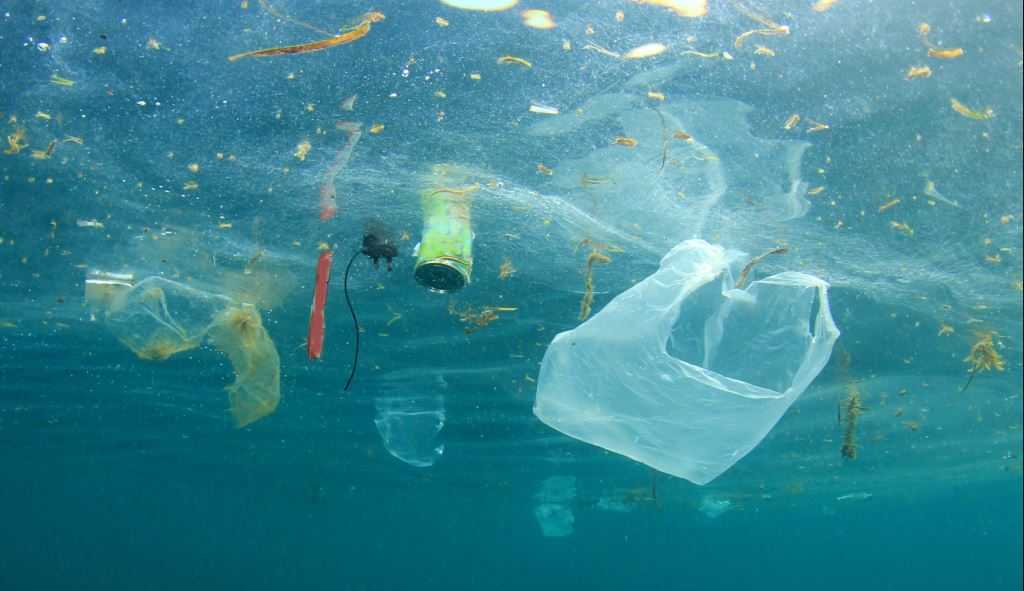
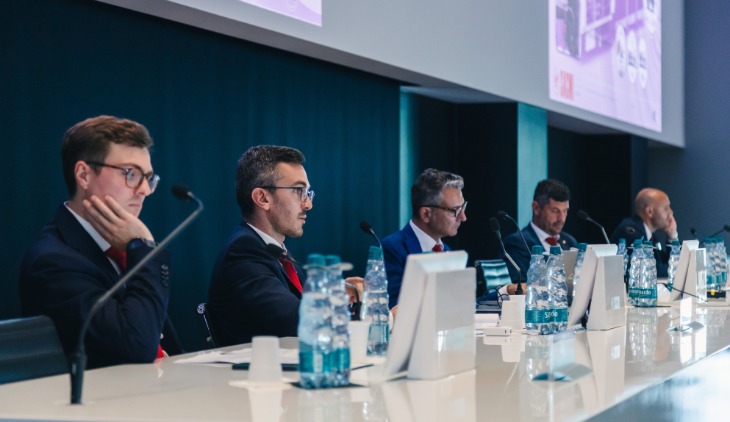
With the final round of Intergovernmental Negotiating Committee (INC-5) meeting scheduled to be take place in Busan, South Korea, on November 25 – December 1, negotiations on the internationally legally binding agreement to end plastic pollution by 2040 have reached a pivotal moment.
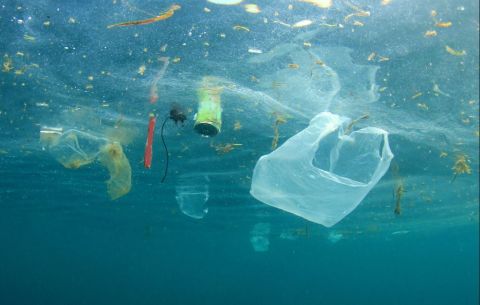
INC-5 meeting aims to stop global plastic pollution. (Source: Plastic Europe)
“We believe that transitioning to a circular plastics system, in which all plastics applications are reused, recycled, and responsibly managed, is the key to tackling the problem of plastic waste and a successful agreement,” said Virginia Janssens, Managing Director of Plastics Europe.
Janssens also pointed out that it is important to identify common solutions in the agreement, as well as to ensure the agreement makes plastic waste as a commodity with real value.
Sustainable financing system and plastics application-based approach
Mobilizing and facilitating access to necessary finance is a major challenge, particularly for emerging economies.
Therefore, the agreement should include sustainable financing mechanisms, including EPR (extended producer responsibility) schemes, which will unlock massive investments to both public and private sectors.
Plastics application-based approach and design principles
A plastics application-based approach to the agreement can define and avoid problematic and avoidable plastics applications leaking into the environment, without creating additional environmental damage and unnecessary socio-economic harm.
In addition, the agreement should draw on existing and emerging international design principles and standards to plastics in order to make plastics more easily reused, recycled, repaired and durable, improving the lifetime and circularity of plastic products.
Global obligations x national measures
“Countries face different challenges and require different solutions. A one-size-fits-all global approach will not work,” added Janssens.
She emphasized that the agreement should strike a right balance between global obligations and national measures. From a European perspective, it is important that the agreement supports the European plastics industry’s transition to circularity and competitiveness.
The final agreement should require countries to develop national action plans which include mandatory recycling and recycled content targets, set-up a robust metrics system for monitoring and assessing plastics pollution, and hold all stakeholders involved accountable.