


















(INC-5 Direct) China at forefront of plastics treaty talks

At the fifth session of the Intergovernmental Negotiating Committee (INC-5), China plays a crucial role in the international negotiation.
The Chinese Delegation highlighted that China has developed a comprehensive plastic pollution management system through various governmental policies and measures, yielding significant results.
Building on its strong domestic efforts, China actively and constructively engages in the negotiation process, fostering communication and exchange with all parties. The delegation aims to contribute positively to the development of pragmatic and feasible international instruments.
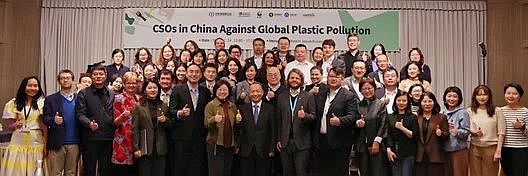
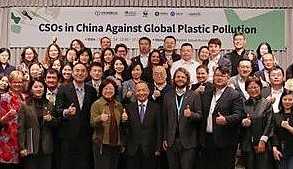
Group photo of the side conference CSOs in China Against Global Plastic Pollution.
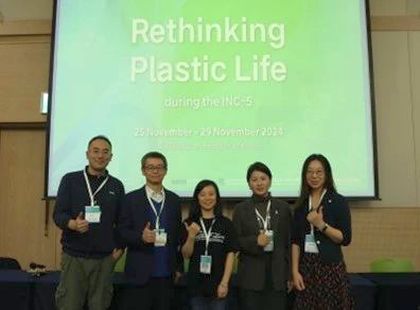
Speakers from the Chinese social organizations.
At a side conference, representatives from China's industry, academia, and social organizations had in-depth discussions with international counterparts. They shared experiences, exchanged innovative practices, and jointly issued an initiative on plastic pollution control. This initiative calls on all global parties to actively support the agreement of international instruments.
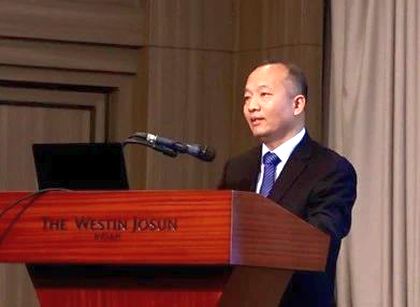
Wen Xuefeng, Deputy Director General of the Department of Solid Wastes and Chemicals at the Ministry of Ecology and Environment.
In his opening remarks for the Chinese delegation, Wen Xuefeng, Deputy Director General of the Department of Solid Wastes and Chemicals at the Ministry of Ecology and Environment, emphasized, “The Chinese government insists that the implementation of the global plastics treaty must align with its ambitions to effectively address the problem. We also recognize that managing plastic pollution requires not only government action but also the involvement of social organizations and other stakeholders.”
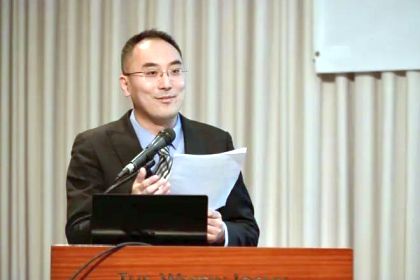
Ni Yao, Deputy Director of All-China Environmental Federation.
All-China Environmental Federation and WWF co-organized the side conference. Ni Yao, Deputy Director of All-China Environmental Federation, noted that the conference aimed to share the practices of Chinese non-governmental organizations in plastic pollution control while fostering in-depth discussions among various stakeholders in the plastics industry.
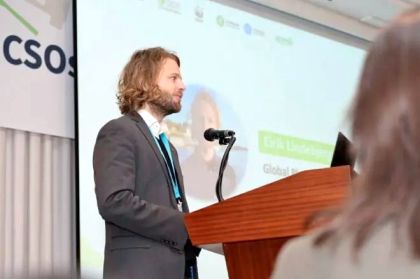
Eirik Lindebjerg, Global Plastics Policy Lead at WWF.
Eirik Lindebjerg, Global Plastics Policy Lead at WWF, commended China for its positive contributions to various international multilateral agreements. He also encouraged private organizations to actively serve as bridges in international negotiations and global environmental governance, providing comprehensive and professional technical support on this critical issue.
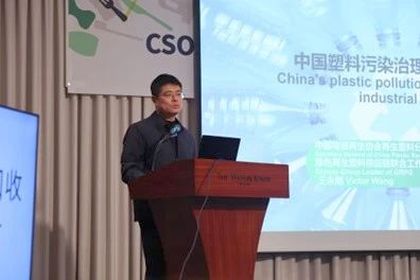
Wang Yonggang, Secretary General of Recycled Plastics Branch of the China Material Recycling Association.
Wang Yonggang, Secretary General of Recycled Plastics Branch of the China Material Recycling Association, discussed the current state of China’s plastic policy. He highlighted the efforts of the Green Recycling Plastic Supply Chain Group (GRPG), which is led by several industry associations and established in collaboration with various companies.
GRPG aims to promote easy recycling and circular design in plastic products while improving the waste plastic recycling system. Wang emphasized the critical need for traceability management in the recycled plastics sector.
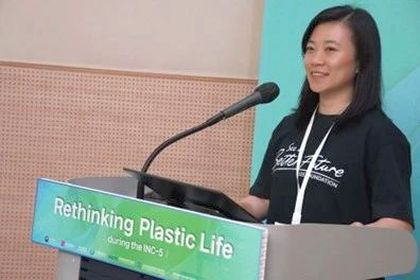
Lu Zhiyao, Director of the Climate Change and Business Sustainability Program at SEE Foundation.
Lu Zhiyao, Director of the Climate Change and Business Sustainability Program at SEE Foundation, shared insights on how the foundation engages the Chinese public in plastic reduction efforts.
Since June 2023, SEE Foundation has supported Chinese social organizations to develop reuse models and establish a recycling system for takeout packaging. Looking ahead, the foundation plans to launch a program in 2025 aimed at reducing plastic use in the hotel industry, encouraging participation from both Chinese hotels and e-commerce platforms.
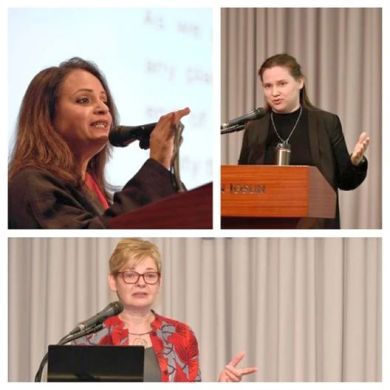
Pinky Chandran, Asia Pacific Coordinator, Break Free from Plastic Movement (left); Mari Kristin Martinsen, Head of International Affairs, Norwegian Retailers’ Environment Fund (right); Maria Ivanova, Director of the School of Public Policy and Urban Affairs at Northeastern University & UN-SPBF Senior Advisor.
In addition, experts from various international organizations shared their successful experiences in providing diversified and localized solutions for plastic pollution control. They proposed the idea of international collaboration to develop new solutions and expressed their hopes for China's significant role in international negotiations.
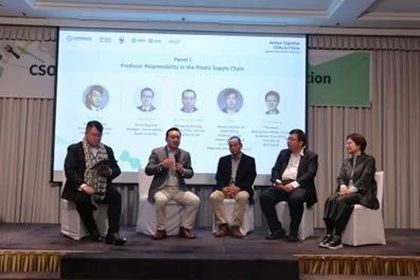
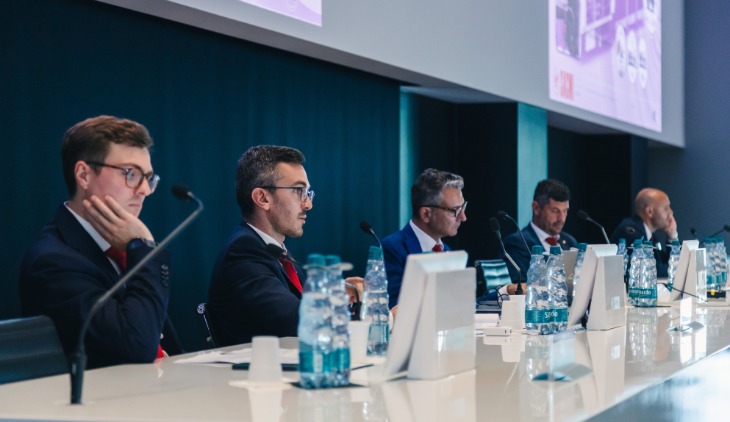
Panel 1: Producer Responsibility in the Plastic Supply Chain.
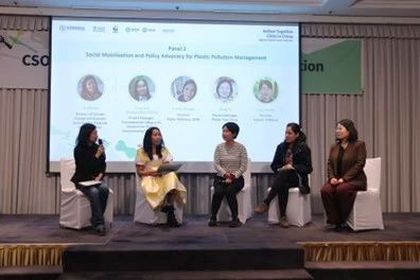
Panel 2: Social Mobilization and Policy Advocacy for Plastic Pollution Management.