












PE packaging may have less climate impact than alternatives

A comprehensive assessment, collaborated by Michigan State University, Trayak, Inc. and ExxonMobil, evaluates the potential environmental impacts of replacing polyethylene (PE) packaging with alternative materials, including paper, glass, aluminum, and steel.
The paper, “Polyethylene packaging and alternative materials in the United States: A life cycle assessment”, was published in the journal Science of the Total Environment.
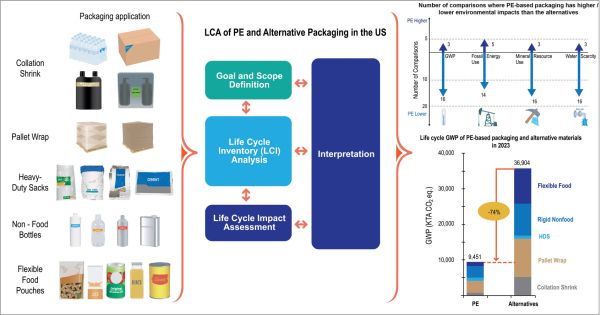
Assessment steps and findings.
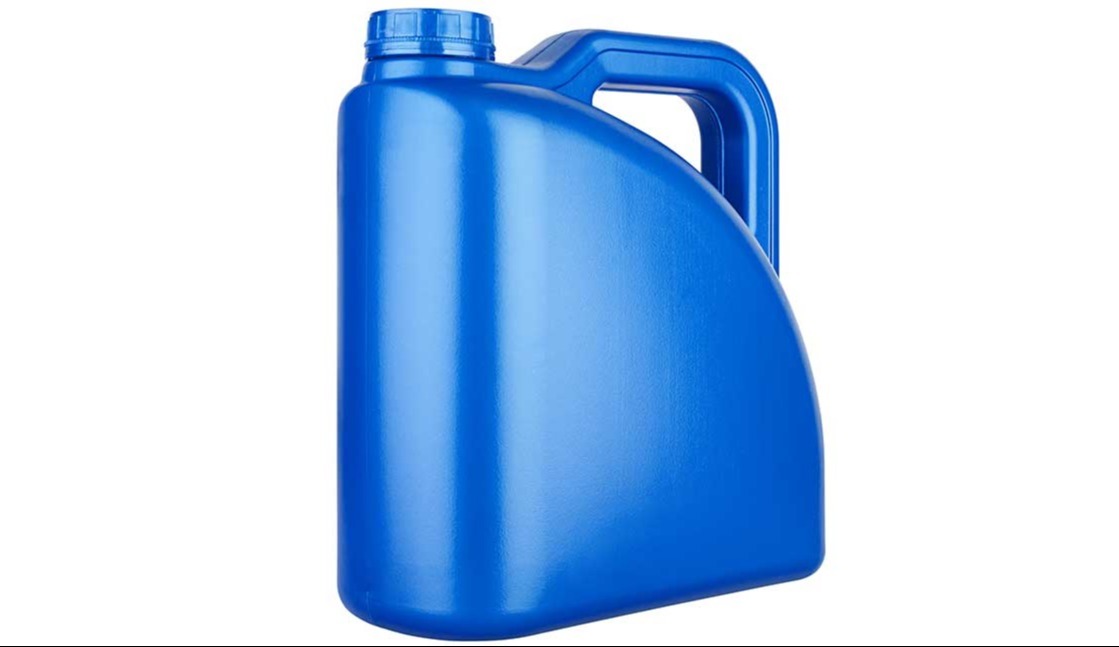
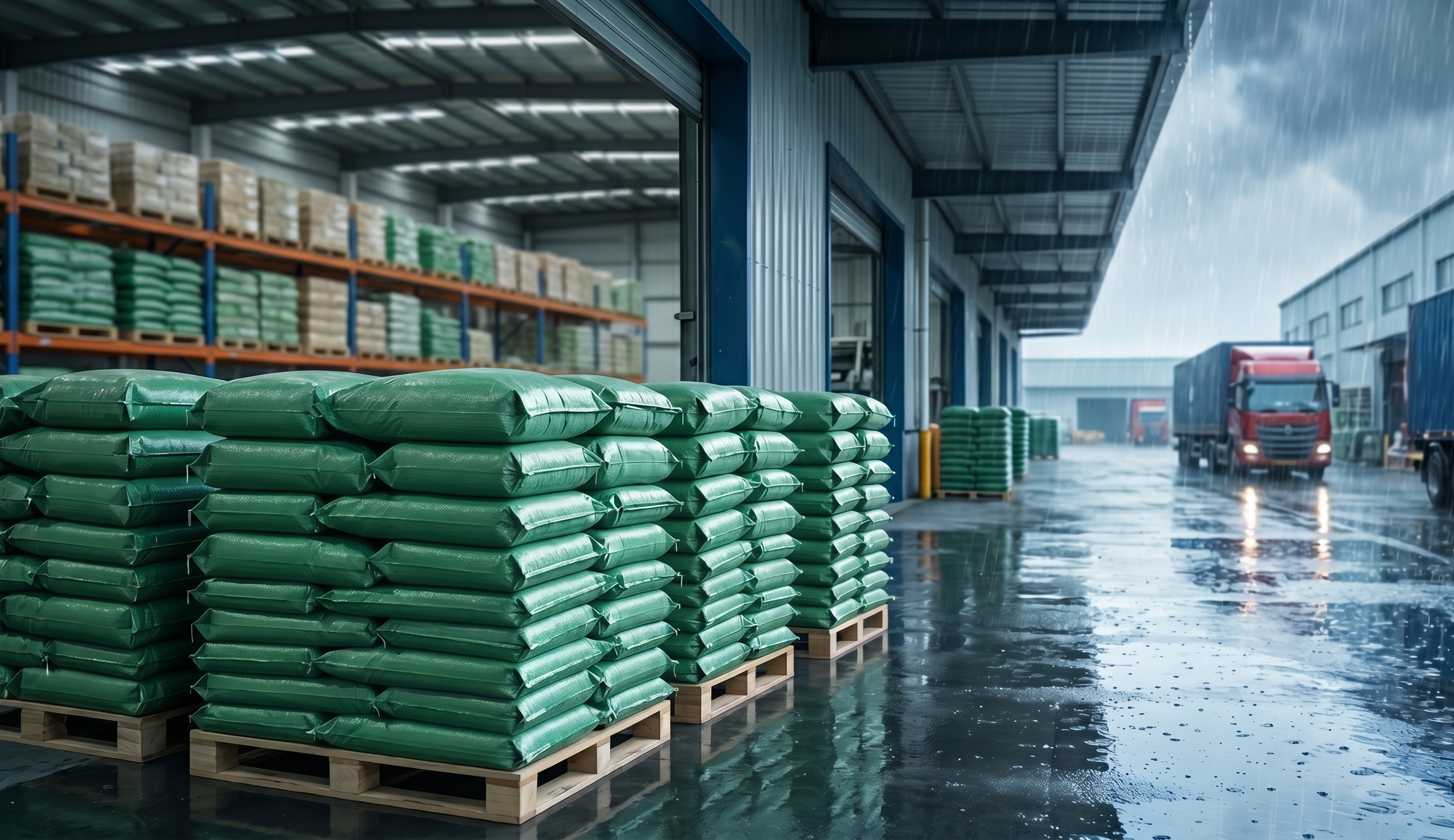
The assessment focused on five major packaging applications – collation shrink films, stretch films for pallet wraps, heavy-duty sacks, nonfood bottles, and flexible food pouches. These include examples of packaging used for dog food, shampoo, water bottles, cosmetics, and other everyday products.
Findings revealed that PE packaging can have an average life cycle global warming potential savings of approximately 70% compared to a mix of commonly used packaging materials in the US.
“Our study examines a wide range of PE packaging applications and provides insights where there has not been a PE-specific study done before. This is valuable because even within a broad material category, individual materials will have their own implications for material, manufacturing, and end-of-life phases,” explained Elizabeth Avery from Trayak, the lead author of the paper.
Among the report’s key findings, researchers explained that PE-based packaging used less fossil resources than alternatives in 14 of 19 product comparisons. In 16 of the 19 packaged product comparisons, PE yielded a lower GWP, water scarcity, and mineral resource use.
“Notably, those instances where PE did not have the lowest impact were typically found when comparing with lightweight paper alternatives that incorporated additional materials such as a plastic liner,” said Rafael Auras, coauthor and a professor at the Michigan State University School of Packaging.