








Search History
Clear History
{{item.search_key}}
Hot Searches
Change
{{item.name}}
{{item.english_name}}
Subscribe eNews
Once A Week Once Every Two Weeks
{{sum}}
Login Register

Applications

From waste to wallet: Turkey's new plan to recycle 25bn bottles annually

Amcor accelerates healthcare packaging expansion in India

MGS partners with KraussMaffei to scale medtech manufacturing

Products

Americhem launches Laser Marking Solutions platform

Röhm’s LiMA technology for MMA production runs at industrial scale

Super carbon fiber lattices: Foam-like weight + aluminum-level performance

Activities

  • Fakuma 2026: Multi-faceted program for plastics industry

  • Plast 2026 expects 200 new exhibitors and strong international presence

  • 350,000+ visitors! CHINAPLAS 2026 shatters every record in the book

Pictorial

News Videos

Inside Moretto: A tour of their Italian production facilities

Top 10 Technology Trends awards presented at CHINAPLAS 2026

MAAG x SIKORA: Smart pelletizing + precise inspection - More stable, carbon-reduced

Conference Videos

Summit Dialogue: Policy alignment and practices in plastic recycling across Asia

Interview: Pathways for development of plastics recycling in Malaysia

Driving systemic change: Unilever’s evolution in the circular economy

Corporate/Product Videos

For Rubber & Plastic Extrusion Equipment, trust Hebei Zhongsen! Custom Extruders, Traction Machines & Vulcanizing Lines

Is Your Mold Supplier Really Giving You Peace of Mind?

Kurtz GmbH & Co.

Home > News > Packaging

PCR packaging market fueled by regulations and innovations

Source:Adsale Plastics Network Date :2025-04-17 Editor :Liu Xingyi
Copyright: This article was originally written/edited by Adsale Plastics Network (AdsaleCPRJ.com), republishing and excerpting are not allowed without permission. For any copyright infringement, we will pursue legal liability in accordance with the law.

The European Council officially adopted the Packaging and Packaging Waste Regulation (PPWR) on December 16, 2024. The regulation’s primary goal is to significantly reduce packaging waste by establishing binding re-use targets, limiting specific types of single-use packaging, and mandating operators to minimize packaging usage.


Key aspects of the PPWR include targets for minimum recycled content of up to 65% post-consumer recycled (PCR) materials in single-use plastic bottles by 2040.


Specifically, new binding re-use targets have been established for 2030, along with indicative targets for 2040. All plastic components of packaging introduced to the market must contain a minimum percentage of recycled content sourced from post-consumer plastic waste.
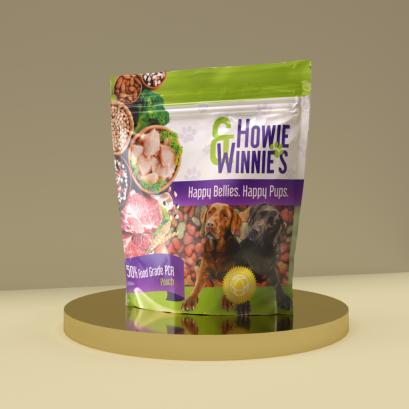

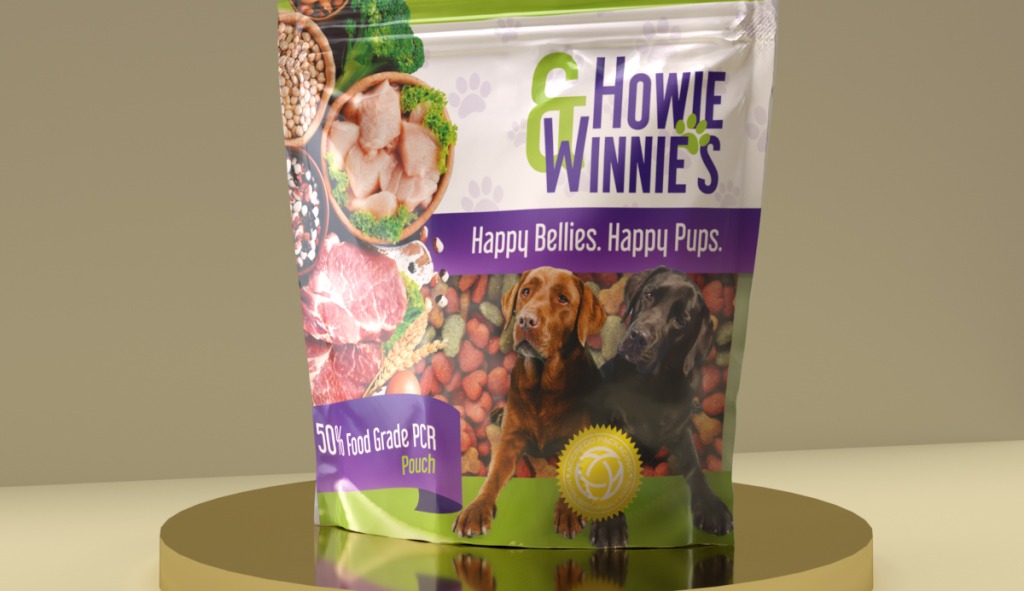
Accredo.jpg

The PCR packaging market is expected to grow. (Source: Accredo)


These minimum percentages vary by packaging type. For example, there are binding targets of 40% for transport and sales packaging and 10% for grouped packaging.


The PPWR is anticipated to boost sustainable packaging development, especially by promoting the use of PCR plastic materials, leading to a glowing future for the PCR plastics market.


Surge in demand for PCR packaging


PCR plastic is an eco-friendly packaging option made from recycled plastics, utilized across various formats such as bottles, containers, and flexible packaging.


According to statistics from Mordor Intelligence, the market for PCR packaging in food and beverage applications is projected to expand significantly, growing from 4.92 million tons in 2025 to 7.40 million tons by 2030, with a compound annual growth rate (CAGR) of 8.52% during the forecast period from 2025 to 2030.


Several factors are driving the growth of the PCR packaging market. Firstly, increasing consumer awareness of environmental issues, such as plastic pollution and climate change, has led many to favor products made from sustainable materials.


Additionally, mounting pressure from consumers and regulatory bodies has encouraged brands to adopt PCR plastic, aiming to lessen their environmental impact and reduce landfill waste.


From a supply perspective, utilizing PCR packaging enables companies to meet consumer demands while also decreasing reliance on virgin plastic, minimizing waste, and conserving valuable resources.


Moreover, advancements in plastic processing technology, including improved chemical recycling processes, allow plastics to be broken down to their basic molecular forms. This innovation makes it possible to recycle lower-quality plastics that were previously difficult to be repurposed.


A major challenge facing the PCR packaging market, however, is the concern over contamination in food applications. Regions like Europe and North America are implementing stricter regulations on packaging waste and promoting requirements for recycled content.


From a global perspective, Europe is projected to hold a significant share of the PCR packaging market, with Germany leading the charge in growth.


In Germany's PCR plastics market, packaging constitutes a key application segment. Packaging companies are investing in technologies to enhance the quality and functionality of PCR plastics, thereby broadening their application range and market presence.


Versatile applications of PCR plastic


Thanks to technological innovations, PCR plastic can be utilized in food packaging, cosmetics packaging, and films, providing a second life to discarded plastics while enhancing circularity and environmental performance.


To assist brands in achieving their recycled content goals, food-grade PCR content is incorporated into flexible plastic packaging, ensuring it contains at least 30% PCR. Developed by Berry Global, these flexible film products are suitable for a wide range of food applications, benefiting both the bakery and frozen food markets.


To tackle the challenge of recycling household plastic waste for demanding applications like collation shrink films, Dow has introduced two new grades of REVOLOOP Recycled Plastics Resins—one containing 100% PCR content and the other featuring up to 85% PCR content sourced from household waste.


Both grades are approved for non-food contact packaging applications. This innovative collation shrink film is a collaboration between Dow and RKW Group, a leading European manufacturer of shrink films, combining Dow’s material science expertise with RKW’s extrusion and printing capabilities.


Likewise, ExxonMobil has launched Enable 1617, a performance polyethylene (PE) grade specifically designed for thin-gauge hand wrap applications. This material contains over 30% PCR content while ensuring high processability and film quality. It is designed to deliver excellent tenacity and consistent extrusion, as well as to incorporate PCR content.

 Like 丨  {{details_info.likes_count}}
Packaging
CHINAPLAS
 KunRun Machinery(Shanghai) Co.,Ltd.      
 Guangdong Yilong Advanced Materials Technology Co Ltd      
 DONGGUAN DEHUA PRECISION MOLD CO., LTD      
 HENAN TENGYUE MACHINERY TECHNOLOGY CO.,LTD.      
 ZHONGSHAN SAMPROMOLD MAKING CO.,LTD      
 NANJING SAGE ADVANCED MATERIALS CO.,LTD      
 GOOD VISION & MOTION(SHENZHEN)CO,. LTD.      
 ANHUI LITUO ENVIRONMENTAL PROTECTION NEW MATERIAL TECHNOLOGY CO.. LTD.      
 OQ Marketing (Shanghai) Co., Ltd.      
 Puyang Comaler Plastic Co., Ltd      
 FCS-Group      
 GREENWICH (CHINA) TECHNOLOGY DEVELOPMENT LIMITED      
 TIANJIN PENGFEI PACKAGING PRODUCTS CO., LTD      
 WUHAN CHANGXIN PLASTIC MACHINERY CO.,LTD.      
 HAITIAN INTERNATIONAL HOLDINGS LIMITED      
 QINGZHOU MACRO SECCO PACKAGING MATERIALS CO., LTD.      
 DSP CHEMICAL CO.,LTD      
 FOSHAN AILE PLASTIC MOULD CO., LTD      
 JIANGSU LISIDE NEW MATERIAL CO., LTD      
 Shantou Bond Machinery Co., Ltd.      
 TAIZHOU HAIHUI MOULD CO.,LTD.      
 INTERNATIONAL STANDARD MACHINERY (SHANTOU) CO.,LTD      
 WUHAN YINFENG PLASTIC MACHINE CO., LTD.      
 GUANGDONG ENMEI CHEMICAL TECHNOLOGY CO., LTD      
 SOJITZ(SHANGHAI)CO.,LTD.      
 HUBEI TIANQIAO MACHINE CO., LTD      
 GUANGZHOU PULISI TECHNOLOGY CO.,LTD.      
 Wuxi Jiahong Plastics Technology CO.,Ltd      
 TAIZHOU HUANGYAN TAIXIANG PLASTIC MACHINERY CO.,LTD.      
 BRUECKNER MASCHINENBAU GMBH      
 JIANGSU GROUPSMART NEW MATERIAL CO.,LTD      
 FUJIAN YANGZHU NEW MATERIAL SCIENCE & TECHNOLOGY CO., LTD      
 WENZHOU DETAI PLASTICS CO., LTD      

The content you're trying to view is for members only. If you are currently a member, Please login to access this content.   Login

Source:Adsale Plastics Network Date :2025-04-17 Editor :Liu Xingyi
Copyright: This article was originally written/edited by Adsale Plastics Network (AdsaleCPRJ.com), republishing and excerpting are not allowed without permission. For any copyright infringement, we will pursue legal liability in accordance with the law.

The European Council officially adopted the Packaging and Packaging Waste Regulation (PPWR) on December 16, 2024. The regulation’s primary goal is to significantly reduce packaging waste by establishing binding re-use targets, limiting specific types of single-use packaging, and mandating operators to minimize packaging usage.


Key aspects of the PPWR include targets for minimum recycled content of up to 65% post-consumer recycled (PCR) materials in single-use plastic bottles by 2040.


Specifically, new binding re-use targets have been established for 2030, along with indicative targets for 2040. All plastic components of packaging introduced to the market must contain a minimum percentage of recycled content sourced from post-consumer plastic waste.


Accredo.jpg

The PCR packaging market is expected to grow. (Source: Accredo)


These minimum percentages vary by packaging type. For example, there are binding targets of 40% for transport and sales packaging and 10% for grouped packaging.


The PPWR is anticipated to boost sustainable packaging development, especially by promoting the use of PCR plastic materials, leading to a glowing future for the PCR plastics market.


Surge in demand for PCR packaging


PCR plastic is an eco-friendly packaging option made from recycled plastics, utilized across various formats such as bottles, containers, and flexible packaging.


According to statistics from Mordor Intelligence, the market for PCR packaging in food and beverage applications is projected to expand significantly, growing from 4.92 million tons in 2025 to 7.40 million tons by 2030, with a compound annual growth rate (CAGR) of 8.52% during the forecast period from 2025 to 2030.


Several factors are driving the growth of the PCR packaging market. Firstly, increasing consumer awareness of environmental issues, such as plastic pollution and climate change, has led many to favor products made from sustainable materials.


Additionally, mounting pressure from consumers and regulatory bodies has encouraged brands to adopt PCR plastic, aiming to lessen their environmental impact and reduce landfill waste.


From a supply perspective, utilizing PCR packaging enables companies to meet consumer demands while also decreasing reliance on virgin plastic, minimizing waste, and conserving valuable resources.


Moreover, advancements in plastic processing technology, including improved chemical recycling processes, allow plastics to be broken down to their basic molecular forms. This innovation makes it possible to recycle lower-quality plastics that were previously difficult to be repurposed.


A major challenge facing the PCR packaging market, however, is the concern over contamination in food applications. Regions like Europe and North America are implementing stricter regulations on packaging waste and promoting requirements for recycled content.


From a global perspective, Europe is projected to hold a significant share of the PCR packaging market, with Germany leading the charge in growth.


In Germany's PCR plastics market, packaging constitutes a key application segment. Packaging companies are investing in technologies to enhance the quality and functionality of PCR plastics, thereby broadening their application range and market presence.


Versatile applications of PCR plastic


Thanks to technological innovations, PCR plastic can be utilized in food packaging, cosmetics packaging, and films, providing a second life to discarded plastics while enhancing circularity and environmental performance.


To assist brands in achieving their recycled content goals, food-grade PCR content is incorporated into flexible plastic packaging, ensuring it contains at least 30% PCR. Developed by Berry Global, these flexible film products are suitable for a wide range of food applications, benefiting both the bakery and frozen food markets.


To tackle the challenge of recycling household plastic waste for demanding applications like collation shrink films, Dow has introduced two new grades of REVOLOOP Recycled Plastics Resins—one containing 100% PCR content and the other featuring up to 85% PCR content sourced from household waste.


Both grades are approved for non-food contact packaging applications. This innovative collation shrink film is a collaboration between Dow and RKW Group, a leading European manufacturer of shrink films, combining Dow’s material science expertise with RKW’s extrusion and printing capabilities.


Likewise, ExxonMobil has launched Enable 1617, a performance polyethylene (PE) grade specifically designed for thin-gauge hand wrap applications. This material contains over 30% PCR content while ensuring high processability and film quality. It is designed to deliver excellent tenacity and consistent extrusion, as well as to incorporate PCR content.


全文内容需要订阅后才能阅读哦~
立即订阅

Recommended Articles

Packaging
Amcor accelerates healthcare packaging expansion in India
 2026-06-17
Packaging
Mondi introduces packaging with 35% PCR content for wet wipes
 2026-06-04
Packaging
Circularity paradox: Circular packaging ≠ Food safety?
 2026-06-01
Packaging
Asahi Kasei develops photosensitive PI film for advanced semiconductor packaging
 2026-05-22
Packaging
ExxonMobil develops high-performance vacuum skin packaging formulations
 2026-05-20
Packaging
Tetra Pak launches industry-first 1-litre aseptic carton with paper-based barrier
 2026-05-19

You May Be Interested In

Change

  • People
  • Company
loading... No Content

{{[item.truename,item.truename_english][lang]}} {{[item.company_name,item.company_name_english][lang]}} {{[item.job_name,item.name_english][lang]}}
{{[item.company_name,item.company_name_english][lang]}} Company Name    {{[item.display_name,item.display_name_english][lang]}}  

Polyurethane Investment Medical Carbon neutral Reduce cost and increase efficiency CHINAPLAS Financial reports rPET INEOS Styrolution Evonik Borouge Polystyrene (PS) mono-material Sustainability Circular economy BASF SABIC Multi-component injection molding machine All-electric injection molding machine Thermoforming machine

PCR packaging market fueled by regulations and innovations

识别右侧二维码,进入阅读全文
下载
x 关闭
订阅
亲爱的用户,请填写一下信息
I have read and agree to the 《Terms of Use》 and 《Privacy Policy》
立即订阅
Top
Feedback
Chat
News
Market News
Applications
Products
Video
In Pictures
Specials
Activities
eBook
Front Line
Plastics Applications
Chemicals and Raw Material
Processing Technologies
Products
Injection
Extrusion
Auxiliary
Blow Molding
Mold
Hot Runner
Screw
Applications
Packaging
Automotive
Medical
Recycling
E&E
LED
Construction
Others
Events
Conference
Webinar
CHINAPLAS
CPS+ eMarketplace
Official Publications
CPS eNews
Media Kit
Social Media
Facebook
Linkedin