













LG Chem to launch CCU technology demonstration project

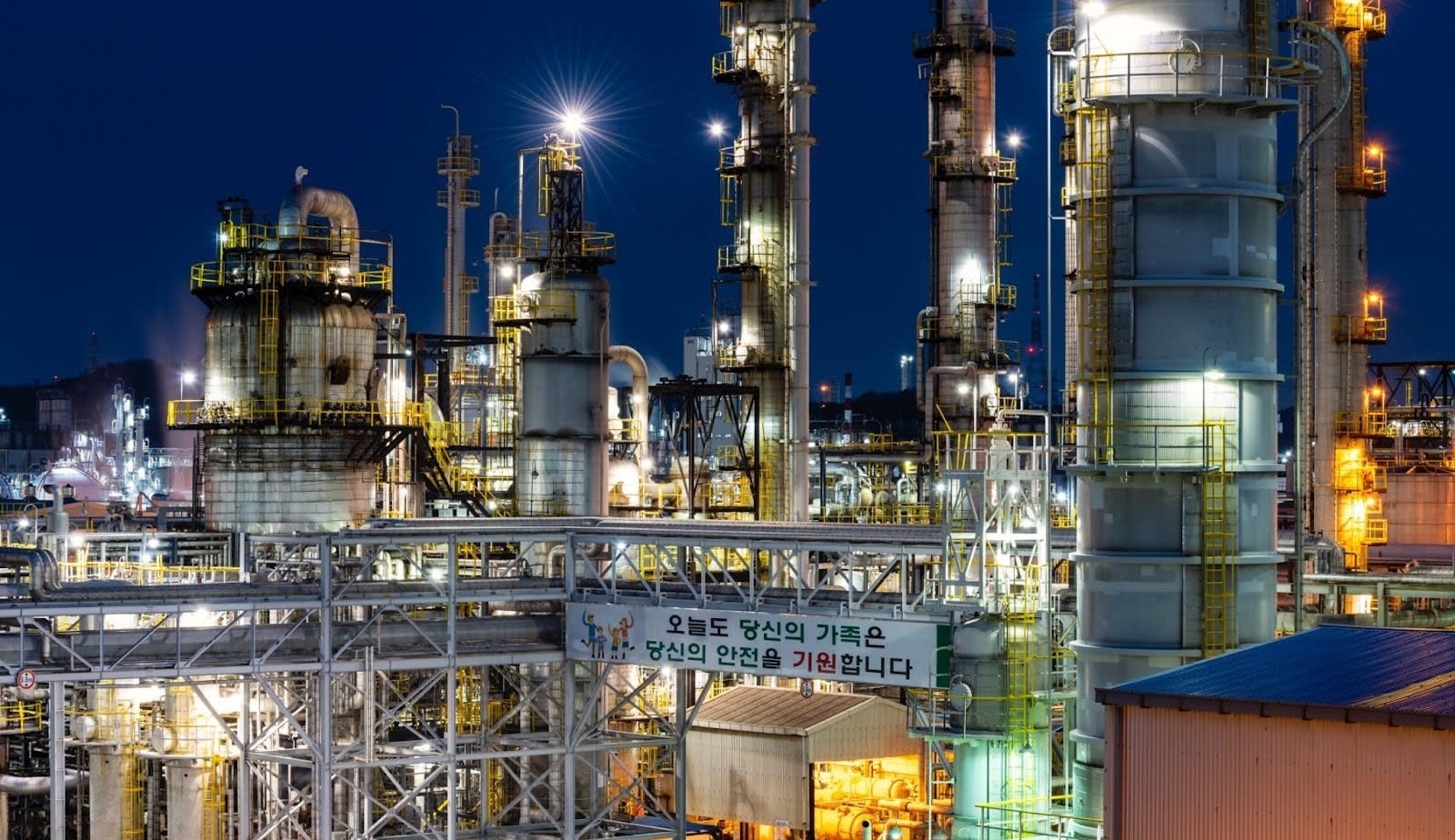
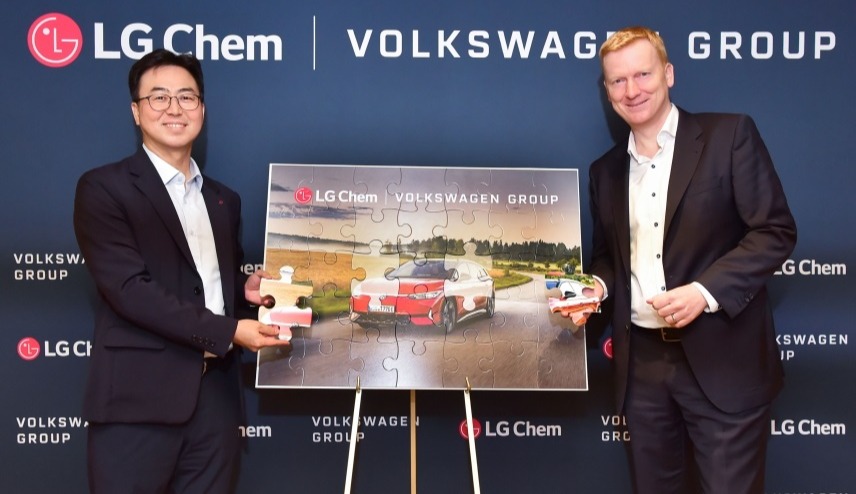
LG Chem and POSCO Holdings have entered into a full-scale partnership to carry out a demonstration project for CCU (Carbon Capture and Utilization) technology, accelerating the company’s efforts toward carbon neutrality.
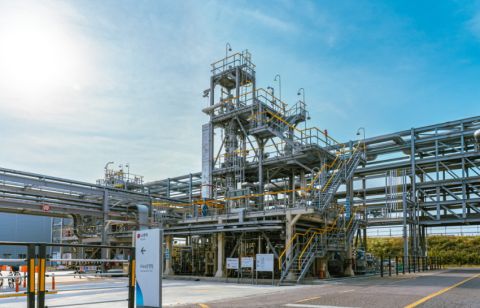
The CCU demonstration project will utilize LG Chem’s proprietary DRM (Dry Reforming of Methane) technology.
The project connecting the chemical and steel industries will be led by POSCO. POSCO, the Gyeongbuk Research Institute, the Gyeongbuk Carbon Neutrality Support Center, the Korea Research Institute of Chemical Technology, and Hongik University, will participate in CO₂ capture, CCU infrastructure development, and reduction assessment.
The CO₂ conversion technology demonstration will involve four additional institutions, including RIST (Research Institute of Industrial Science & Technology), POSTECH, Seoul National University, and Hanyang University.
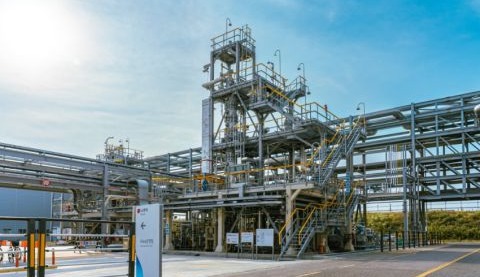
Under the project, carbon dioxide captured at POSCO’s Pohang steelworks will be converted into carbon monoxide and hydrogen, which are used as reducing agents, substance used to extract pure metal from metal oxides, such as iron ore, by removing oxygen, in steelmaking, via LG Chem’s proprietary DRM (Dry Reforming of Methane) technology.
The CCU demonstration project will begin with the design phase in 2026, followed by facility construction at the Pohang steelworks in 2028, and demonstration operations through 2030.
More on DRM technology
In the steelmaking process, coal is used as a reducing agent to extract iron from iron ore. The heat generated from coal combustion is used to power a melting furnace, and the resulting carbon monoxide acts as a reducing agent, producing carbon dioxide in the process.
LG Chem’s DRM technology, a form of CCU, uses carbon dioxide and methane as feedstock to produce carbon monoxide, a reducing agent, and hydrogen. These outputs can be used in steelmaking processes to reduce the reliance on coal.
Carbon monoxide can also serve as a raw material for various chemical products such as plastics, while hydrogen can be used as an eco-friendly fuel. If commercialized through this demonstration project, the technology is expected to expand its range of applications significantly.