














Covestro introduces pMDI with reduced product carbon footprint

Covestro is expanding its pMDI (polymeric methylene diphenyl diisocyanate) portfolio in Europe with the introduction of Desmodur ClimateValue (CV) — a new grade with about 25% reduction in Product Carbon Footprint (PCF) of comparable standard Desmodur grades used for insulation applications.
Desmodur CV is available now to pMDI customers supplied from the production sites in Germany.

Covestro introduces the new Desmodur ClimateValue (CV).
Demand for low-carbon solutions across key industrial value chain
Rigid polyurethane foam based on MDI is a core material in relevant products, including PU insulation boards and metal-faced sandwich panels for buildings, as well as for refrigeration appliances.
Manufacturers across both sectors face growing regulatory requirements and increasing market expectations to reduce the carbon footprint of their products — and to demonstrate these reductions through transparent, independently verified environmental data.
Drop-in solution with lower PCF
For manufacturers of building insulation or appliances, Desmodur CV opens a direct pathway to reduce the carbon footprint of their products.
As Desmodur CV is fully drop-in compatible, this transition requires no changes to existing formulations or production processes, making it as straightforward as a raw material switch can be.
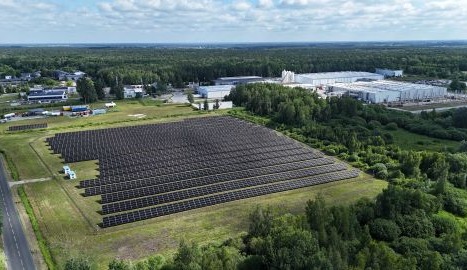
The new grade features about 25% reduction in PCF, which is achieved through renewable energy use, process innovation and efficiency improvements, and supply chain decarbonization. It is verified using a cradle-to-gate life cycle assessment (LCA) methodology certified by TÜV Rheinland.
This provides the basis for customers to substantiate lower product carbon footprint claims, differentiate in the market with transparent sustainability data, and meet their own climate targets — while supporting ESG and sustainability reporting requirements.
Desmodur CV complements Covestro's existing Desmodur CQ product family, which addresses circularity through the use of attributed alternative raw materials. Together, the two product families offer customers a range of pathways to reduce the environmental footprint of MDI-based applications.