

















Clariant expands sustainable flame-retardant capacity in China

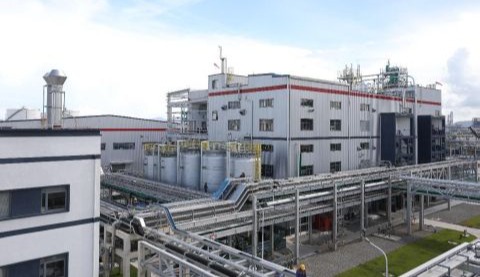
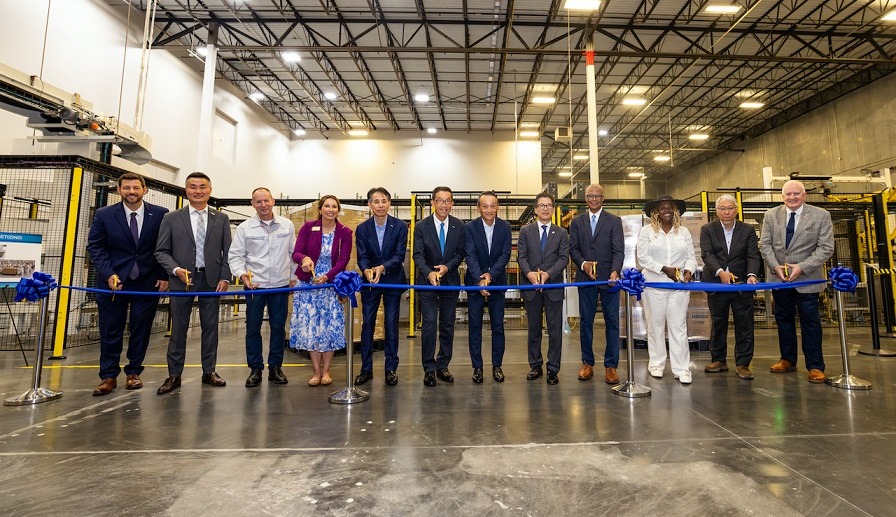
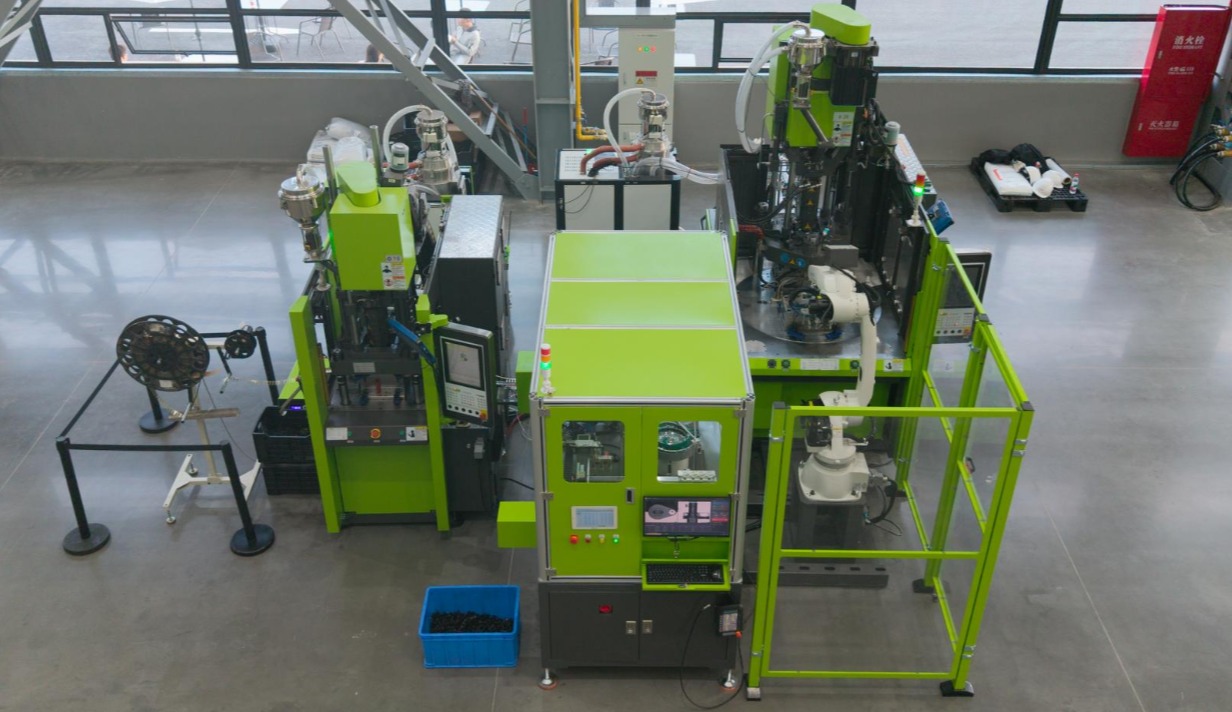
Clariant has completed its CHF 100 million investment in the Daya Bay facility in China, with the second production line fully operational in November, strengthening Clariant's ability to meet growing demand for more sustainable flame-retardant solutions in Asia and globally, particularly in the rapidly expanding e-mobility sector.
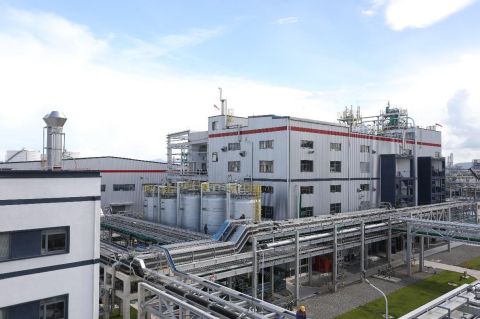
Clariant's new production line in Daya Bay, fully operational in November 2025.
In addition, Clariant announces the expansion of its Exolit OP flame retardant portfolio with two new high-performance solutions specifically designed for polybutylene terephthalate (PBT) applications in e-mobility. The new products, Exolit OP 1242 (TP) and Exolit OP 1266 (TP) are also featured at K 2025.
The new Exolit OP flame retardants address two critical challenges in e-mobility applications. Exolit OP 1242 (TP) offers exceptional hydrolysis stability, while Exolit OP 1266 (TP) provides a stable comparative tracking index (CTI) of 600 V even after extended storage periods. Both products meet the UL 94 vertical test with V-0 classification down to a sample thickness of 0.4 mm at dosing levels of 15-20%.
These innovations are particularly significant as the e-mobility industry transitions to higher voltage systems of 800 V and above, requiring materials with superior electrical insulation properties and long-term stability under demanding conditions.
The new halogen-free flame retardants offer manufacturers an attractive alternative to traditional systems based on antimony trioxide (ATO), which has experienced dramatic price increases and supply chain volatility in recent years.
"Our new Exolit OP solutions not only deliver superior technical performance for e-mobility applications but also help manufacturers reduce their exposure to antimony market fluctuations," explained Mariano Suarez, Head of Marketing Additives at Clariant.
As part of Clariant‘s ambition to remove substances of very high concern (SVHC) from its portfolio, the company has also developed Exolit AP 422 A, which delivers exceptional fire protection for polyisocyanurate (PIR) insulation panels while offering manufacturers a melamine-free, SVHC-free solution that meets stringent fire safety standards.
In polyurethane foam applications, this versatile halogen-free ammonium polyphosphate serves as an effective replacement for TCPP (tris(chloropropyl) phosphate) and TEP (triethyl phosphate), providing robust flame retardancy without unwanted plasticizing effects. With improved powder flowability for more efficient production handling, Exolit AP 422 A enables customers to create safer, more sustainable building materials that align with evolving regulatory requirements.