








K 2025 Insights: Energy efficiency in focus

K 2025 has successfully concluded, and our editorial team at Adsale Plastics Network had the opportunity to immerse themselves in this iconic trade fair for the plastics and rubber industry.
During the intensive schedule, we visited over 80 booths and attended press conferences from renowned exhibitors, engaging in meaningful discussions with representatives from industry associations and international buyers.
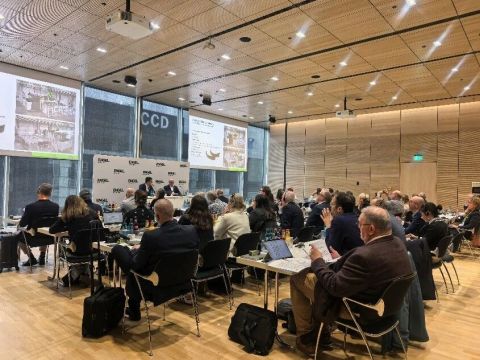
In the current European market, where energy prices remain high, energy efficiency is emerging as a crucial competitive advantage for plastic machinery. Reducing energy consumption has evolved beyond a mere ESG slogan; it is now a vital challenge for corporate costs and survival.
Across various sectors—including injection molding, extrusion, film processing, and recycling—machinery manufacturers are showcasing their commitment to energy savings through innovative technologies.
Injection molding
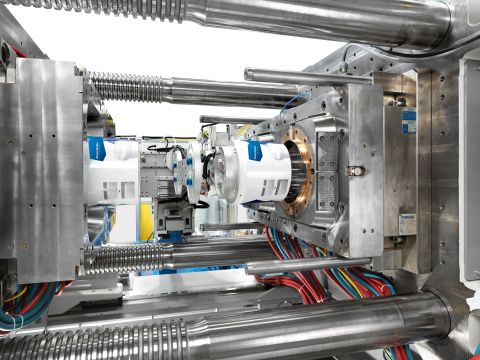
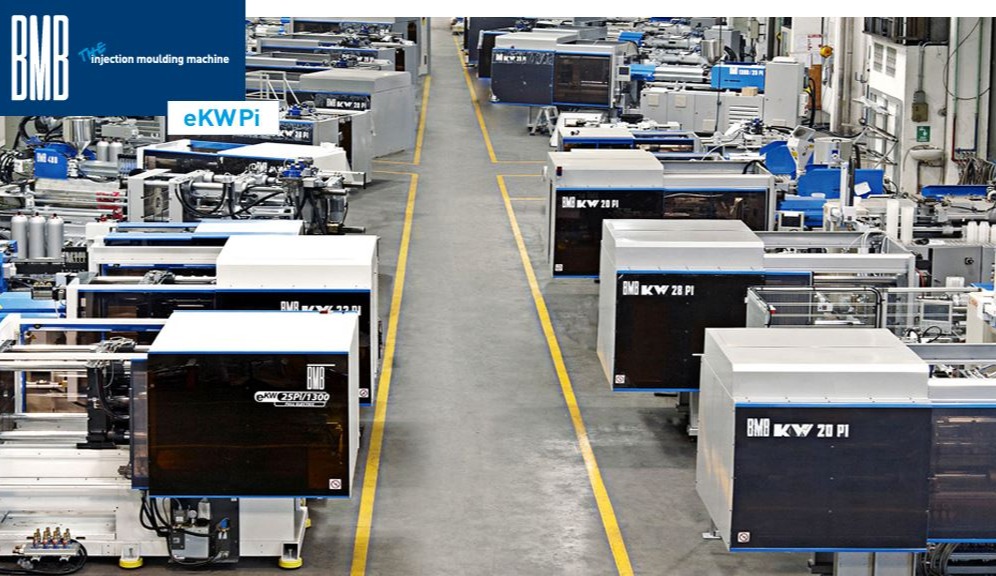
Significantly, the development of all-electric injection molding machines is gaining momentum. Leading manufacturers such as ENGEL, Haitian, Arburg, KraussMaffei, Sumitomo (SHI) Demag, Wittmann, JSW, Chen Hsong, Yizumi, Tederic, and FCS have all introduced new all-electric models, each distinguished by unique technological advancements.
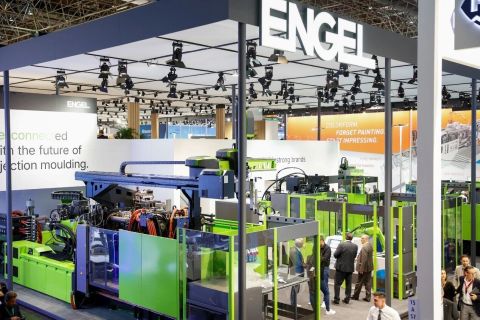
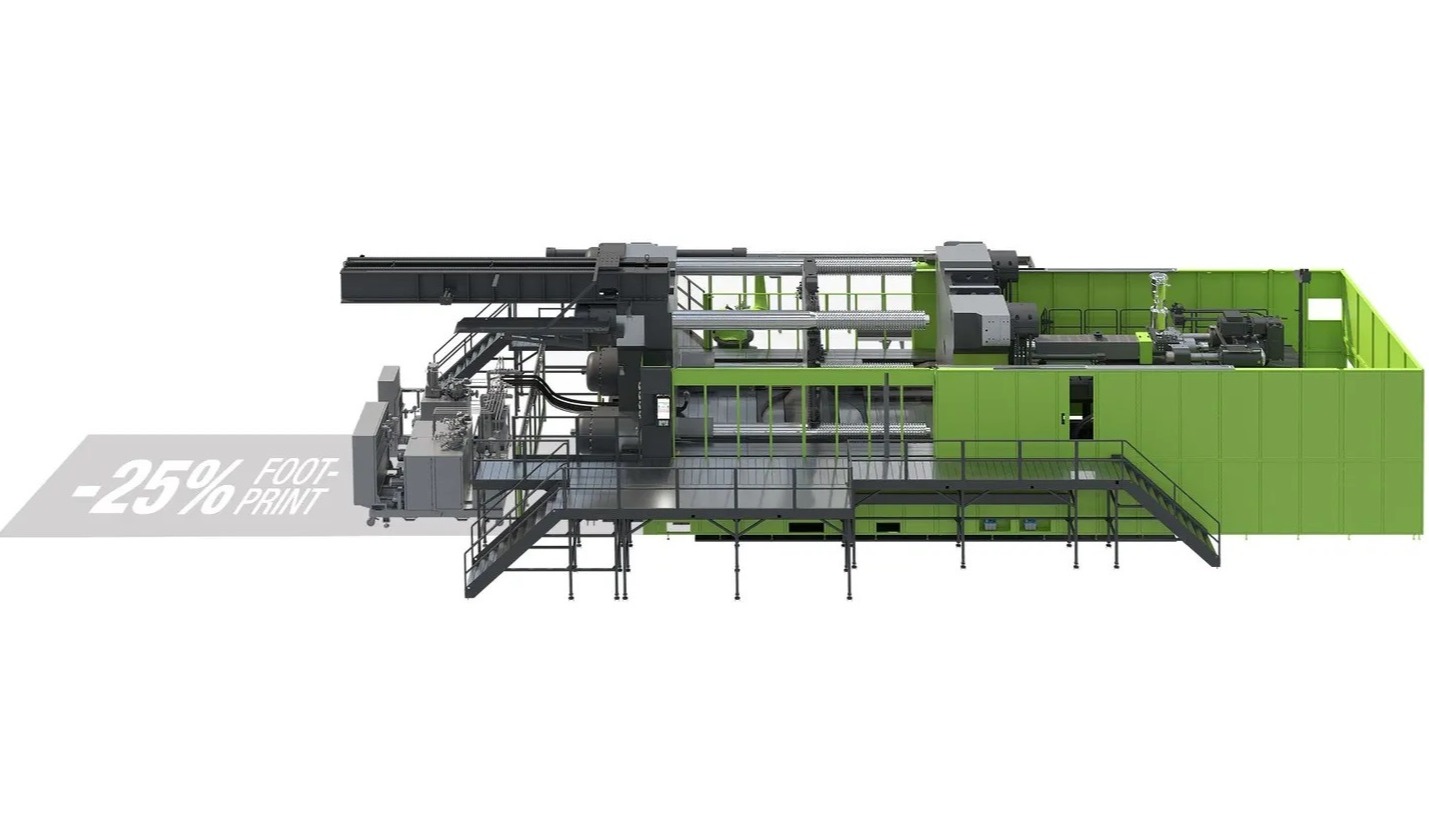
For instance, ENGEL's new generation victory series combines the benefits of tie-bar-less technology with the dynamic performance of electric drive systems. Haitian's Zhafir ZE-F all-electric machine is designed for the high-capacity packaging sector, demonstrating its capabilities in high-speed thin-wall production with a molding cycle time of just 3.2 seconds.
Arburg's new Allrounder Trend electric machine series focuses on high cost-effectiveness and rapid delivery, set to be produced at their factory in Pinghu, China, starting in 2026. Sumitomo (SHI) Demag’s high-performance all-electric injection molding machine integrates precision molding with inline digital printing technology, specifically engineered for ultra-fast, high-volume production of bottle caps and closure components. Meanwhile, Yizumi's FF30M micro-precision machine provides ultra-high precision molding solutions tailored for the medical industry, particularly for microfluidic chips.
Blow molding
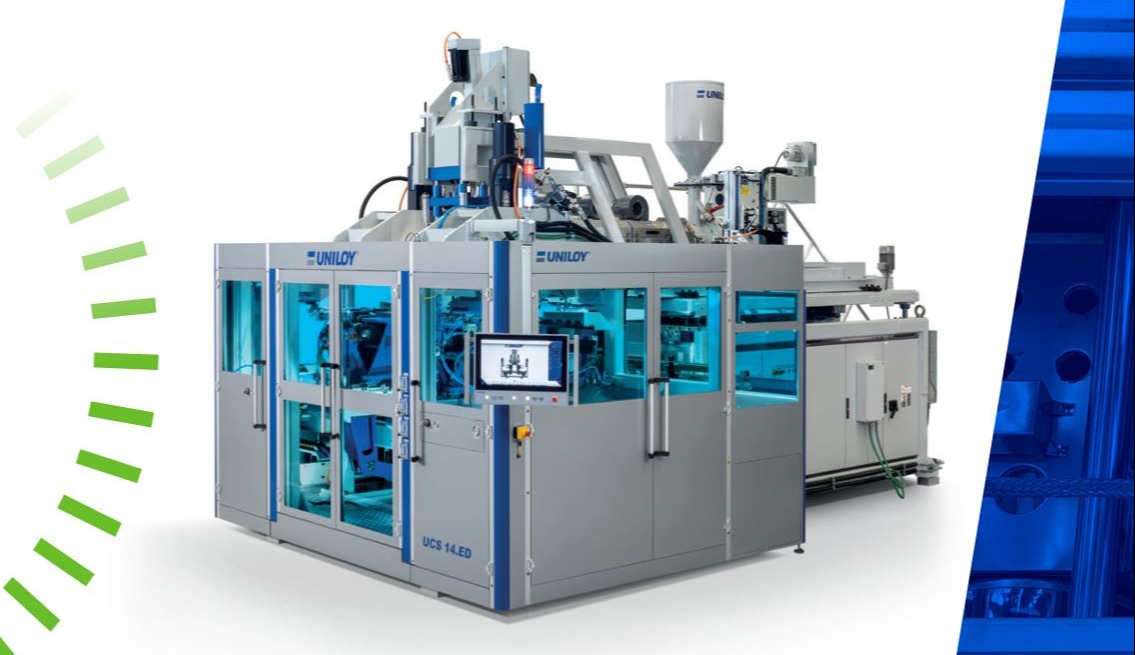
The trend toward electrification in blow molding machinery is equally pronounced. From Bekum to Kautex and ST Blow Molding, many leading manufacturers have introduced world-premiere products that are all-electric models, reflecting a shared technical consensus in the blow molding industry on the importance of production line electrification and energy efficiency. Notably, these all-electric blow molding machines focus on specific application areas, opening new possibilities for the segmentation of blow molding applications.
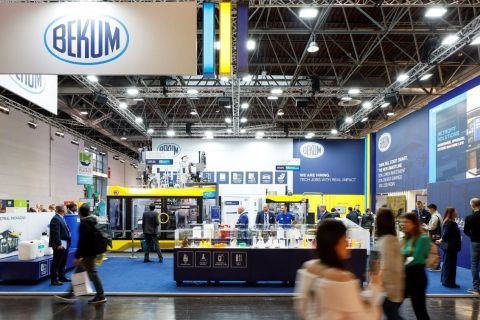
Bekum's all-electric EBLOW 508 D extrusion blow molding line emphasizes multi-functionality and high flexibility. It features a unique clamping device and extrusion die head that can process both PET and HDPE materials, accommodating everything from 12-liter stackable containers to PET bottles with handles—all in a single step. This equipment boasts the advantages of low investment, low energy consumption, and low maintenance.
Kautex's all-electric blow molding machine, the KEB GREEN, closely integrates energy efficiency and digitalization. Its compact design facilitates quick mold changes, while digital upgrades optimize processes, ultimately achieving significant energy savings.
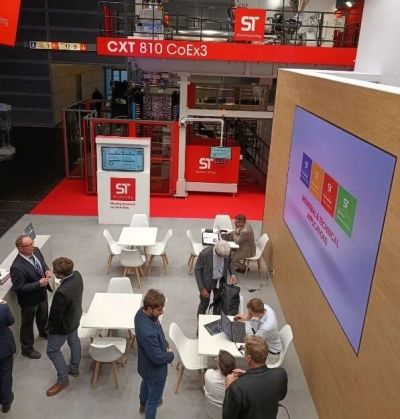
ST Blow Molding's CXT 810 HT CoEx3 targets the high-end segment of the market. This blow molding machine is specifically designed for producing 220-liter large chemical packaging containers, known as L-Ring barrels, with a focus on applications requiring extremely high cleanliness standards, such as wet chemicals in the semiconductor industry.
Extrusion
In the extrusion sector, key metrics for evaluating efficiency increasingly focus on material utilization, production line speed, energy consumption control, and the adaptability to recycled materials.
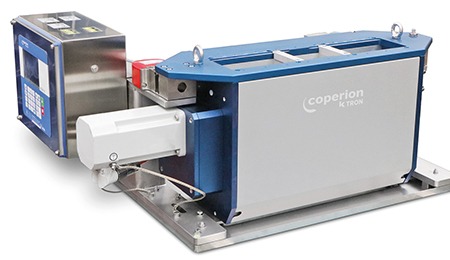
Leading extrusion equipment manufacturers—such as Coperion, Battenfeld-Cincinnati, Jwell Machinery, and Liansu Machinery—are primarily innovating around high torque, high output, and low energy consumption.
For instance, Coperion’s new twin-screw extruder, the ZSK 58 Mc18, achieves a remarkable specific torque of 18 Nm/cm³, while the STS Mc11 reaches 11.3 Nm/cm³. The former is tailored for compounding and recycling applications, offering an output of up to 2,500 kg/h, whereas the latter specializes in masterbatch processing, maintaining a stable output of 300 kg/h.
Battenfeld-Cincinnati adopts a different strategy by optimizing processing temperature. Their solEX NG 105 single-screw extruder achieves high output—up to 2,100 kg/h—at a melting temperature that is 10°C lower than conventional standards. This optimization not only reduces energy consumption but also extends the lifespan of core components.
Film processing
Film processing equipment is increasingly focusing on system optimization and energy recovery to enhance overall energy efficiency.
Bruckner's Greenline biaxially oriented (BO) stretching system exemplifies a novel approach to energy reduction. By strengthening inline edge trim recycling and reusing thermal exhaust, it achieves a higher material closed-loop rate and improved energy recovery efficiency. This energy-saving philosophy is becoming a key competitive direction for film equipment manufacturers.
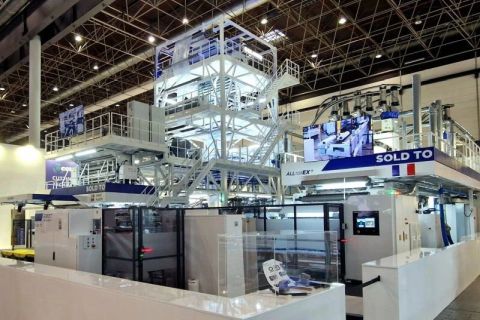
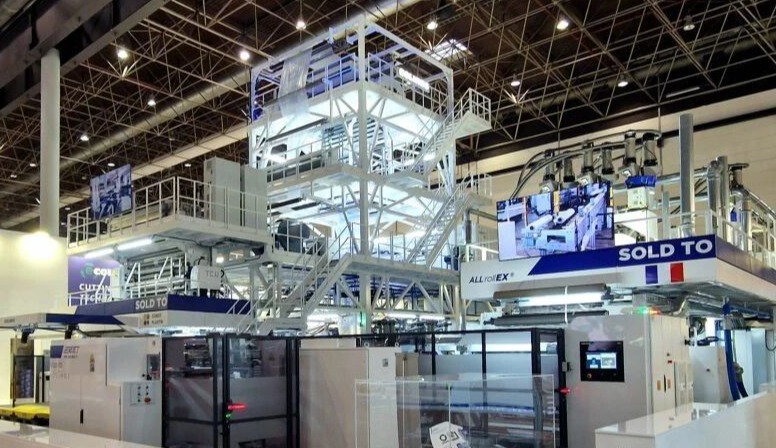
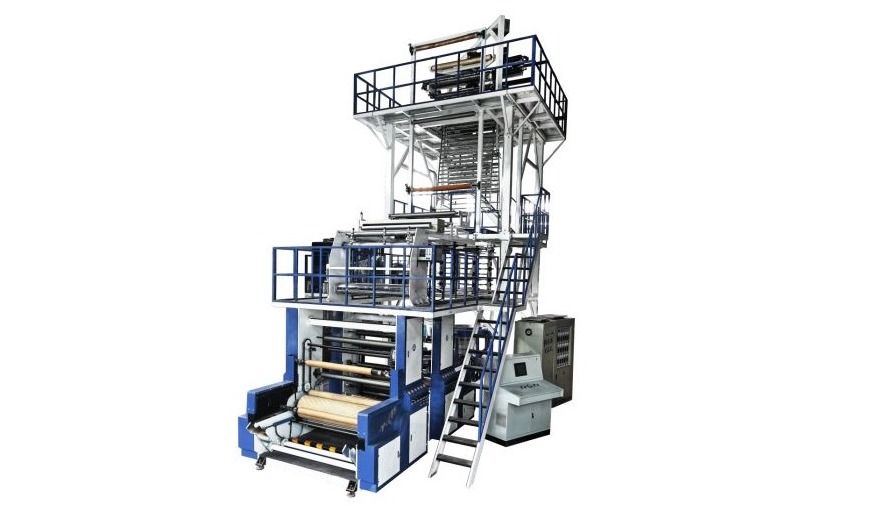
Colines offers a 9-layer POLYBLOWN film production line capable of producing high-performance barrier films featuring a highly transparent EVOH layer. With a film width of approximately 2,600 millimeters and a thickness range of 20 to 200 microns, this line can achieve a maximum output of 800 kilograms per hour. By utilizing brushless motor technology for precise control over tension and winding speed, the production line ensures product consistency while minimizing edge trim waste from the outset.
Reifenhäuser's next-generation EVO GEN3 blown film production line sets a remarkable record with an output of up to 1,050 kg/h at a 350 mm die diameter. This machine incorporates the new Ultra Dies die head and the advanced cooling ring Ultra Cool GEN3, boosting output by 30% and establishing a new benchmark for efficiency in blown film processes.
Recycling equipment
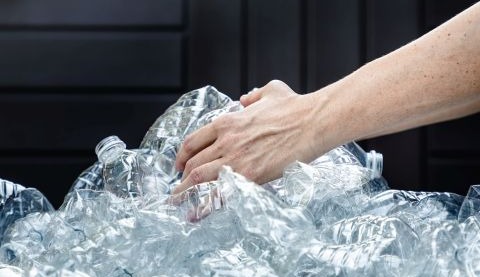
In the recycling equipment sector, leading manufacturers are focusing on enhancing cooling processes and line compatibility to improve the usability and stability of recycled materials.
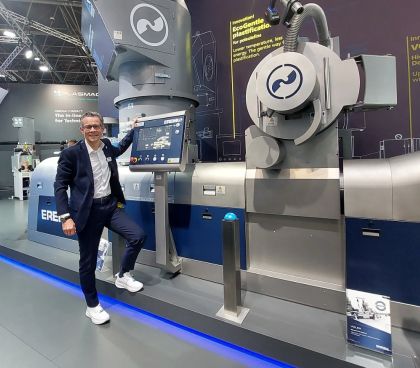
EREMA has successfully expanded its mature EcoGentle plasticizing technology from PET to HDPE, LDPE, PP, and BOPET systems, achieving a breakthrough in low-temperature, high-quality processing. When paired with its reverse feeding system, this technology can reduce melt temperatures by up to 13°C in HDPE and PP recycling, resulting in approximately 6% energy savings. In the inline recycling of LDPE/LLDPE stretch films or BOPET films, temperature reductions can reach as much as 20°C. This strategy of reducing costs through cooling reflects a new trend in recycling equipment that prioritizes optimizing processing economics alongside energy management.
Starlinger's new recycling production line, RecoSTAR dynamic art, significantly enhances the processing efficiency of hygroscopic and washed materials. It employs spin feeding technology and features advanced functionalities, such as an intelligent feeder and dynamic automation kit, making it particularly suitable for handling films, fibers, thermoplastics, in-house production waste, and post-consumer plastics.
This capability to recycle a diverse range of waste plastics on a single production line aligns perfectly with the current demand for varied waste plastic processing, underscoring the trend toward greater adaptability and efficiency in recycling equipment.
Additionally, NGR Next, in collaboration with Kreyenborg, has developed a modular, energy-efficient system that minimizes odors in post-consumer plastics, thereby enhancing the acceptance and applicability of recycled plastics in high-end applications.