













Braskem to expand ethylene and polyethylene production at Brazil facility

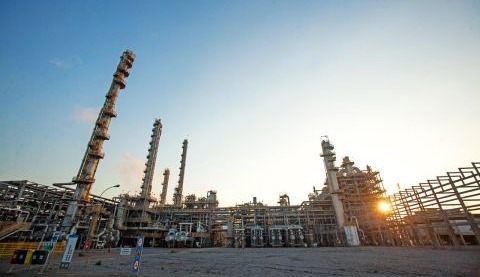
Braskem announces that its Board of Directors has approved an estimated investment of R$ 4.2 billion (~US$780 million) to increase the capacity of its petrochemical complex in Rio de Janeiro, Brazil, by 220,000 tons of ethylene per year, along with equivalent volumes of polyethylene.
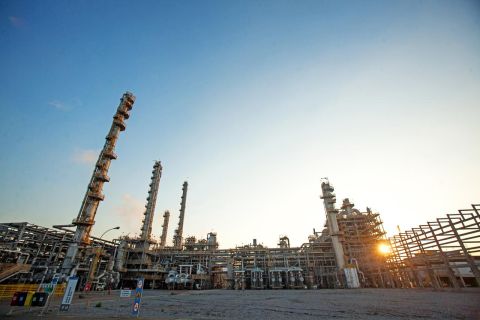
Braskem announced its investment to expand ethylene and polyethylene product at its Rio de Janeiro facility in Brazil.
The initial phase of basic engineering, with a budget of R$ 233 million (~US$43.3 million), had already been approved in February 2025.
The project is part of Braskem’s Transformation Program. It also marks another step in the company's strategy for industrial transformation and competitiveness.
Scheduled for completion by the end of 2028, the project is subject to securing additional financing beyond the resources already approved under the REIQ Investments - Special Regime for the Chemical Industry - for the years 2025 and 2026. This strategy is part of ongoing analyses and discussions regarding the ideal capital structure for the company.
"Despite the current challenging global scenario, we must ensure that Braskem remains competitive in the new global petrochemical landscape, securing its survival and long-term sustainability,” said Stefan Lepecki, Vice President of South America Business at Braskem.
“The investment in the Rio de Janeiro petrochemical complex demonstrates our confidence in Brazil's potential and Braskem's commitment to contributing to a sustainable reindustrialization of the sector, driven by innovation and value creation,” he continued.
To enable the project, the Board also approved the procurement of additional volumes of ethane through a long-term supply agreement with Petrobras, which is currently in the final stages of negotiation. This measure ensures supply security and operational competitiveness, strengthening the strategic partnership between the two companies.
The project aims to increase the use of gas in Braskem's feedstock matrix, reducing costs and emissions, and making the company's industrial park more modern, sustainable, and competitive.