











WACKER unveils emission-saving silicone gel for wound care

WACKER presents its innovative silicone products for medical and therapeutic applications, including its first biomethanol-based silicone gel SILPURAN eco 2114, ELASTOSIL R plus 4360 and ELASTOSIL R plus 4366, at COMPAMED 2025, a medical technology trade show.
SILPURAN eco 2114: WACKER’s first biomethanol-based silicone gel
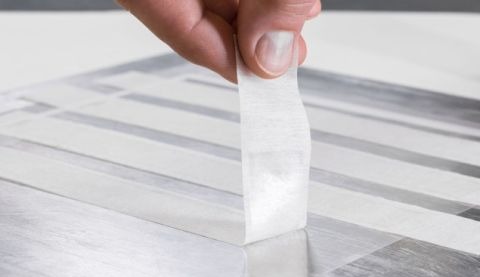
SILPURAN eco 2114 is a two-component, addition-curing adhesive that cures to form a soft, skin-friendly gel with high adhesive strength. It can be removed painlessly and without any residues, which makes it ideal for use on sensitive skin or for treating chronic wounds.
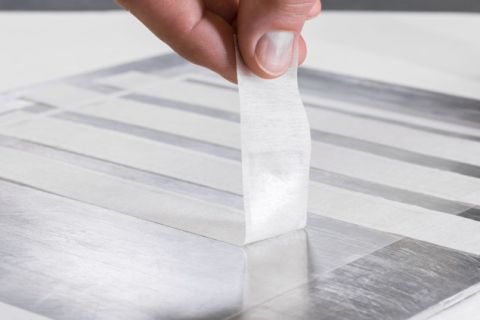
SILPURAN eco 2114 develops high adhesive strength and makes an ideal adhesive for wound dressings and fixation aids.
The silicone gel also has a medium viscosity and is highly transparent. Its main areas of application are wound dressings and plasters, wearables, sensors and transdermal systems.
During the production of SILPURAN eco 2114, fossil methanol is replaced by biogenic methanol. The process which is based on the mass balance approach and is certified by the REDcert2 scheme, not only conserves fossil resources but is also climate-friendly. SILPURAN eco 2114 saves up to 28% carbon dioxide in the production process compared to its conventional counterpart.
ELASTOSIL R plus 4360/60 and ELASTOSIL R plus 4366/60 for silicone tubing
WACKER also shows two high-performance silicones for manufacturing hoses for peristaltic pumps – ELASTOSIL R plus 4360/60 and ELASTOSIL R plus 4366/60. As both solid silicone rubber grades are addition-curing, no peroxide-containing cleavage products are formed during vulcanization, ensuring maximum purity and process reliability.
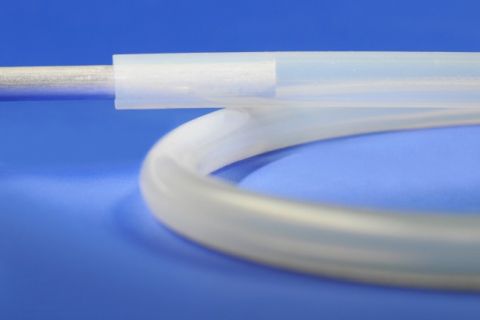
ELASTOSIL R plus 4360/60 and ELASTOSIL R plus 4366/60 for manufacturing hoses for peristaltic pumps.
Tubing made from such silicone products can be used in heart-lung machines, dialysis and respiratory equipment, infusion systems and catheters. Hoses made from these silicone products are also ideal for dispensing drugs and mRNA vaccines.
ELASTOSIL R plus 4360 has a high rebound resilience and a low compression set. ELASTOSIL R plus 4366 also offers a low-friction surface. Its surface friction coefficient is up to 70% lower than comparable standard grades. Thus, hoses made from these products are very suitable for peristaltic pumps.
Tests show a greatly increased service life and pumping accuracy. Both silicone products are FDA- and BfR-compliant and therefore generally suitable for the manufacture of food contact products.
Research on SILPURAN silicone gel adhesives for transdermal patches
At COMPAMED 2025, WACKER also presents latest research findings from its Healthcare Competence Center in Ann Arbor, USA – the study investigates SILPURAN silicone gel adhesives for transdermal patches.
The research team at WACKER used a Franz diffusion cell to analyze how efficiently various substances are released from the silicone layer, which is up to 300 micrometers thick.
The actives examined included over-the-counter therapeutics, such as ibuprofen, anti-inflammatory drugs and herbal remedies as well as common active ingredients from the wellness sector, various vitamins and dietary supplements. The team identified above-average release rates in the case of over 20 active ingredients.
This shows that silicone gel adhesives can be used to develop customized release profiles. Silicones are much more than just carrier materials. They will form the basis for the next generation of transdermal systems that are gentle on the skin, can be dosed with precision and are highly versatile in use.