

















Teijin uses solvent-based recycling to develop high-quality rPC

Teijin Limited announced that it is using solvent-based recycling process, an emerging technology, to develop high-quality recycled polycarbonate (PC) resin with quality comparable to virgin resin.
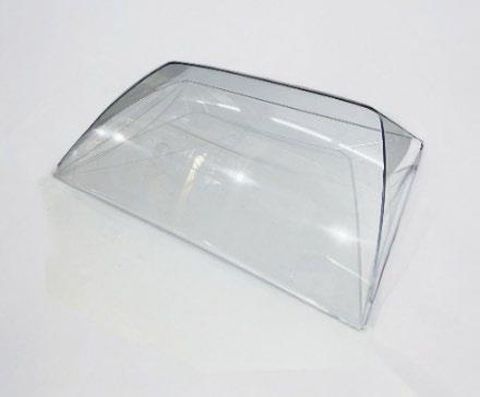
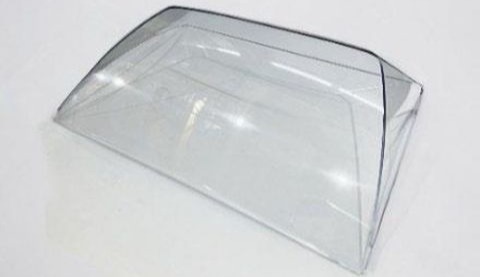
Molded product incorporating recycled PC resin produced using solvent-based technology.
This innovative recycling method uses solvents to dissolve waste PC resin and separate pure polymers from contaminants such as surface coatings. It addresses challenges such as material degradation in mechanical recycling and high costs and carbon emissions in chemical recycling.
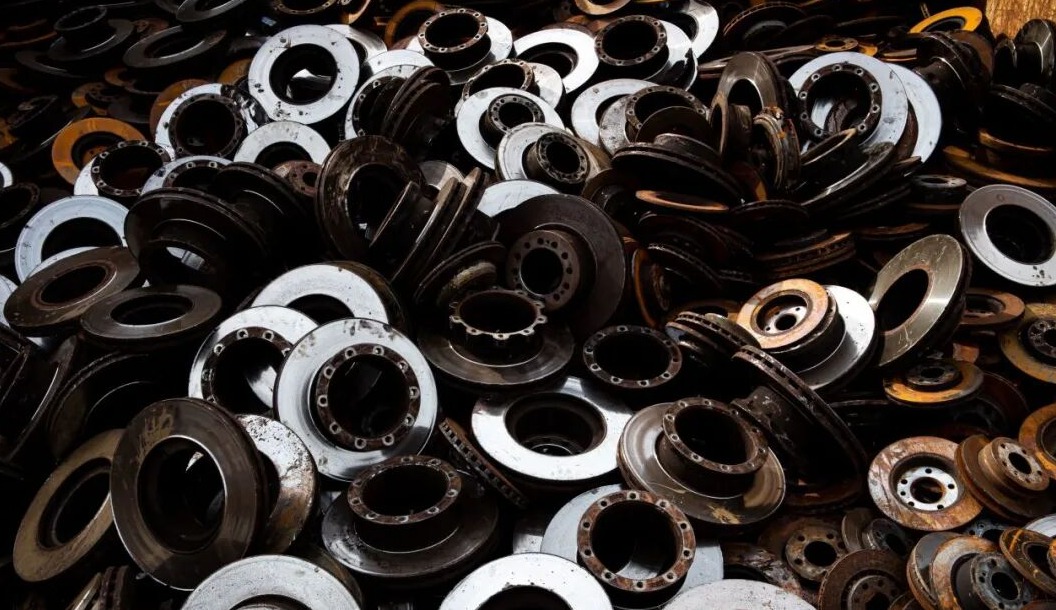
As waste PC resin may contain contaminants that negatively affect the properties, clarity and aesthetics of the recycled resin, Teijin is developing solvent-based recycling for waste PC resin from sources such as end-of-life vehicle headlamps.
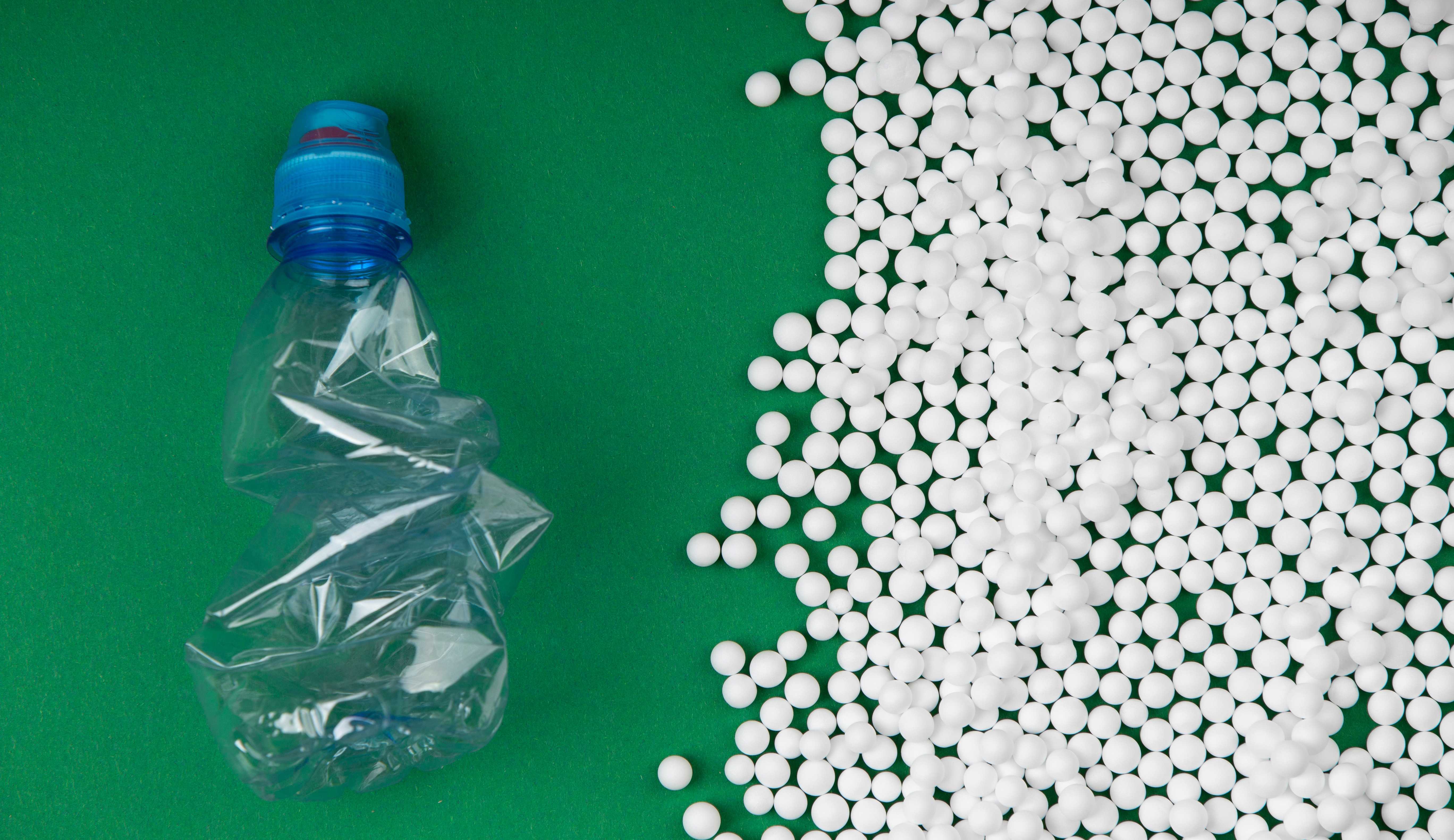
Teijin processes PC resin that has already undergone conventional mechanical recycling steps such as crushing and washing, but is unsuitable for applications requiring high transparency. The company then dissolves the material in solvents and removes impurities to convert it into reusable polymers. This process allows Teijin to reclaim material whose properties, including transparency, are comparable to those of virgin PC.
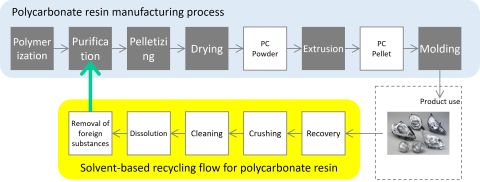
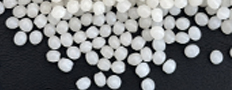
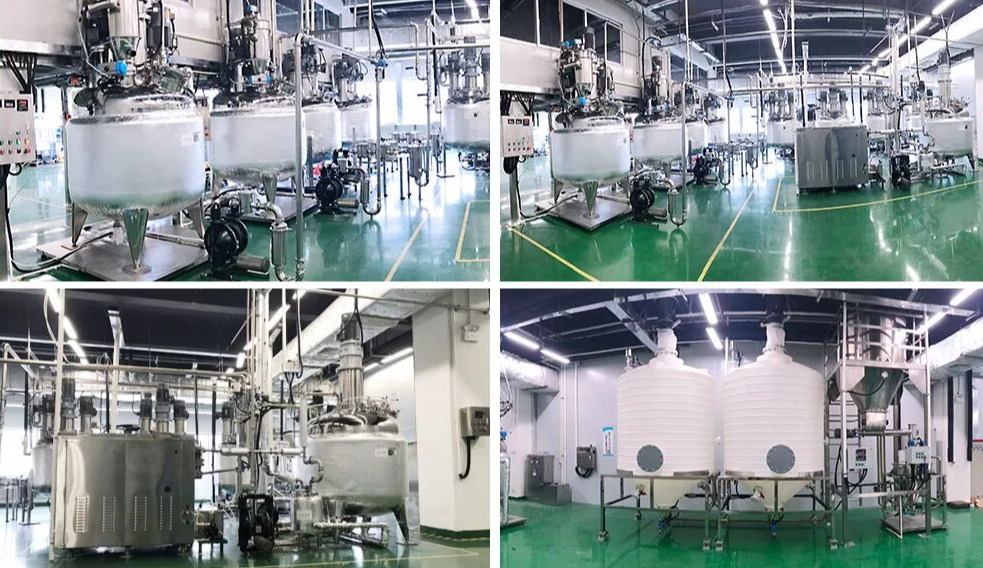
Solvent-based recycling processes for PC resin.
The PC resin produced by solvent-based recycling has high transparency, making it suitable for closed-loop and horizontal recycling. In this way, solvent-based recycling helps promote adoption of recycled materials and supports compliance with upcoming regulations, including the End-of-Life Vehicles (ELV) regulation in Europe.
In addition, compared to chemical recycling, solvent-based recycling involves fewer process steps, which helps to reduce CO2 emissions.
Teijin aims to commercialize PC resin produced using solvent-based recycling by fiscal year 2026. In addition, the company will continue research and development work on solvent-based recycling to further improve the quality of PC resin produced through this method.